
The Complete Guide to Dual Stretcher EMS Vehicles
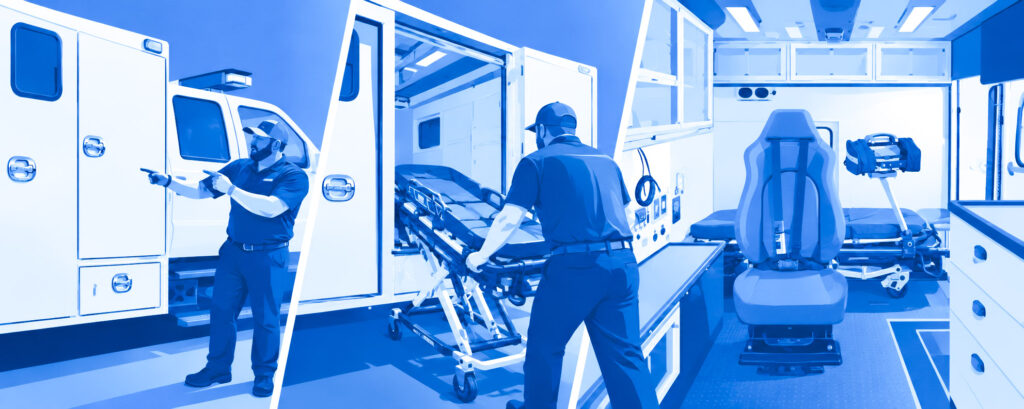
The Complete Guide to Dual Stretcher EMS Vehicles You know the scenario. A call comes in for two stable patients who need an inter-facility transfer to a hospital an hour away. Moving them separately may mean sending two vehicles and two full crews down the highway. If another 911 call comes in, your service area may suddenly have fewer resources available to respond. Staffing challenges and growing fleet demands are pushing EMS leaders to find practical ways to make better use of the resources they already have. Sending two vehicles to the same destination can add operating costs, mileage, and wear while taking units away from other calls. A multi-patient solution does not have to mean a large specialty vehicle that spends most of its time waiting for a major incident. A customized Type I or Type III EMS vehicle can be designed to support two-patient transport while still serving an agency’s day-to-day needs. In this guide, we’ll look at how a custom-engineered dual stretcher EMS vehicle can expand transport capacity and what agencies should consider when planning for the additional electrical, climate-control, equipment, and workspace demands that come with transporting two patients. When Does a Dual Stretcher EMS Vehicle Make Sense? One of the first questions fleet managers and budget approvers may ask is simple: Will we use it enough to justify it? When configured around an agency’s actual needs, a dual stretcher EMS vehicle can support several types of everyday operations in addition to multi-patient response. Rural and High-Mileage Areas When the nearest definitive care facility is an hour or more away, sending two primary units to the same incident can leave fewer resources available across the county. When patient conditions, staffing, and protocols allow, a dual stretcher setup can transport two appropriate patients in one trip. Consolidating those long-distance transports may help keep another 911 resource available within the district. Inter-Facility Transfers (IFTs) Inter-facility transfers are a routine but resource-intensive part of the job for private EMS providers and hospital networks. Moving stable patients between hospitals, nursing homes, and specialty clinics can require significant vehicle and staffing resources. When appropriate, a dual stretcher EMS vehicle can allow providers to combine transfers into a single trip. That can help improve fleet utilization while potentially reducing mileage and wear on other vehicles. Mass Casualty Incidents (MCIs) and Event Standbys Large public events, sporting events, and multi-casualty incidents can quickly create demand for additional transport capacity. Depending on patient condition, staffing, protocols, and incident requirements, a dual stretcher unit can provide another option for transporting two appropriate patients in one vehicle. Have a question for the team? Ask a Question How Do You Power Two Critical Care Setups in One EMS Vehicle? Supporting equipment for two critical-care patients can create substantial electrical demand. Two ventilators, two cardiac monitors, multiple IV pumps, and additional climate-control needs can add up quickly. Depending on the chassis, equipment, and configuration, relying primarily on the chassis electrical system may place additional demands on that system. That makes electrical capacity an important part of planning a dual stretcher vehicle. Frazer offers independent power options, including Mobile Electric Power Solutions (MEPS) and Cummins Onan generators. These systems are designed to generate 120V AC power separately from the vehicle’s primary chassis electrical system. In practical terms, an independent power configuration can help keep supported medical equipment and module air conditioning operating if chassis power becomes unavailable, depending on the vehicle configuration and operating condition of the independent system. Frazer pairs this approach with a standard 12V DC chassis fail-safe to provide additional power-system redundancy for the clinical environment. Instead of relying heavily on proprietary multiplex computer boards, Frazer uses point-to-point wiring, standard automotive relays, and accessible terminal strips. The goal is simple: make many electrical components easier for fleet technicians to access, diagnose, and service using commonly available tools and parts. The Engineering Behind the Interior Layout Another common question is about space: Will a standard Type I or Type III module feel too cramped with two patients inside? The answer depends heavily on the layout. A dual stretcher EMS vehicle is more than a standard module with another cot position added. The design needs to account for patient placement, crew movement, seating, equipment access, regional protocols, and how the agency plans to use the vehicle. At Frazer, that process starts by listening to the people who will actually work in the vehicle. When designing a custom 15-foot Type I dual stretcher unit for Floyd EMS, a specialized neonatal and critical care transport team, the collaboration began with their team laying masking tape on a conference room floor. Together, they mapped out where nurses and medics needed to sit, reach, and work. That hands-on approach helps shape the workspace around the crew instead of asking the crew to adapt to the workspace. Strategic cabinetry, including SAE-certified Austin Hardware sliding doors, can help preserve aisle space because the doors do not swing outward. Oxygen ports, breathing air, and 120V outlets can also be positioned overhead or centrally so clinicians can reach needed connections from either patient’s side while limiting unnecessary movement around equipment. The goal is not to fit as much as possible into the module. It is to create a practical clinical workspace that supports the crew, the patients, and the way the vehicle will actually be used. Can Medics Treat Two Patients While Remaining Buckled In? Thoughtful ergonomic design can help clinicians reach patients and equipment while using available restraint systems. Configurations may include 4-point retracting harnesses, such as Valor seating, along with SAE-certified cabinetry positioned within reach. The actual range of movement depends on the seating position, equipment placement, vehicle configuration, patient needs, and applicable operating protocols. Two-patient transport can also mean more medical equipment inside the module. For medics, fleet leaders, and risk managers, occupant restraint and equipment retention are important considerations when planning for sudden stops, evasive maneuvers, and collisions. Frazer uses all-aluminum, wood-free module construction designed with structural integrity and equipment retention
The Dual-Stretcher Advantage: Reducing Rural EMS Fleet Cost of Ownership

The Dual-Stretcher Advantage: Reducing Rural EMS Fleet Cost of Ownership For rural and regional departments, high mileage can put real pressure on fleet budgets. Long trips to major hospitals can tie up critical 911 resources, add wear to the chassis, and increase the need for future vehicle replacement. For agencies that cover a lot of miles, replacing single-patient vehicles on shorter service cycles can add significant long-term cost. Managing those costs means looking at the full picture. A dual-stretcher configuration may help some departments consolidate appropriate patient transfers and reduce the number of trips they make. Over the longer term, remountable modules and service-friendly vehicle designs can also help departments make better use of their fleet investment. The Strain on Rural Fleets: Managing 911 Resources When the receiving hospital is an hour or more away, even a routine inter-facility transfer can become a major logistical challenge. If a county has only a few units available, sending one on a two-hour round trip can leave fewer resources in the primary response area. Operations and dispatch leaders have to balance transfer needs with the need to maintain local 911 coverage. The mileage adds up, too. Driving 150 to 200 miles a day increases fuel use, adds wear to the truck chassis, and brings scheduled maintenance intervals closer together. Over time, that mileage may lead to more frequent chassis replacement and added pressure on capital budgets. How can a dual-stretcher EMS vehicle help reduce rural fleet strain? When it is clinically and operationally appropriate, carrying two stable transfer patients on one trip can increase transport capacity without requiring two separate vehicle runs. For certain routes, this may reduce fleet mileage and fuel use while keeping other vehicles available for local response. Consolidating Transports With a Dual-Stretcher Configuration A dual-stretcher configuration is more than a different floor plan. For departments with the right transport needs, it can become part of a broader fleet strategy. A properly designed module can accommodate two appropriate patients and may allow a department to combine certain long-distance transfers that would otherwise require separate trips. For stable transfers between regional hospitals, nursing facilities, or other care locations, fewer trips can mean fewer miles across the fleet. That may also reduce associated fuel use and chassis wear. One question departments often have is whether a dual-stretcher layout leaves enough room for crews to work. The answer depends heavily on how the module is designed. Thoughtful placement of equipment, seating, and cabinetry can help crews reach commonly used gear from either patient’s side while maintaining useful working space. Heavy-duty, crash-tested cot retention systems and four-point harness seating can also support crew positioning while personnel remain properly belted. The goal is a layout that gives crews practical access to patients and equipment during appropriate two-patient transports. Lowering Overall Cost of Ownership Through Remountability Trip consolidation may help with daily operating costs, but fleet costs extend well beyond a single trip or budget year. For high-mileage departments, it can be useful to think about a vehicle over a 15- to 20-year period. The truck chassis may eventually reach the end of its useful service life, but that does not always mean the custom EMS module has reached the end of its life, too. A durable, all-aluminum, wood-free module can be designed with future remounting in mind. When an eligible chassis reaches the end of its service life, the module can be removed, evaluated, refurbished as needed, and installed on a compatible new chassis. Remounting can help extend the useful life of a qualifying module and reduce the capital required compared with replacing the complete custom vehicle every time the chassis is retired. Some departments have used this strategy for many years. For example, the Houston Fire Department routinely remounts its modules up to four times, allowing individual modules to surpass 1,000,000 miles of service over their lifetime. How can remounting help lower overall fleet costs? Remounting places an eligible module onto a new compatible truck chassis after the original chassis reaches the end of its service life. Because the department is reusing the module rather than replacing the entire custom vehicle, remounting may reduce the capital required for that replacement cycle. Warranty coverage on a remounted unit can vary based on the manufacturer, program, module condition, and configuration, so departments should review those details as part of their procurement planning. Reliability When You Are Hours Away Reliability matters on every call, but long-distance transports can make downtime especially difficult. A chassis problem 60 miles from the nearest hospital can interrupt patient transport and remove an important vehicle from service. Chassis-independent systems can add another layer of operational redundancy. With an independent power source such as a Cummins Onan generator, patient-compartment power does not rely only on the truck engine. If the chassis engine shuts down, the generator can continue supplying power to supported patient-compartment systems, including interior lighting, compatible medical equipment, and a dedicated 115VAC HVAC system, depending on the vehicle’s configuration and operating conditions. Some custom configurations can also include a 120V inverter and a 12V automatic fail-safe, giving supported systems multiple available power paths. That flexibility can be valuable during long transports or extended periods on scene. Have a question for the team? Ask a Question An independent HVAC system can also support the patient-care environment without relying on the chassis HVAC system. When equipped with an air-treatment option such as the Dometic BreatheEasy Ionizer, the system can help manage air within the patient compartment while keeping it separate from the driver’s cab. Vehicle availability is another part of overall fleet value. In a double-blind market research study of 100 EMS and Fire professionals documented in the Survey Results Presentation 10-30-20, 39% of respondents named Frazer when asked which brand spent the least amount of time in the shop. Frazer also uses a straightforward approach to electrical design, including simple point-to-point wiring and standard automotive parts where appropriate instead of relying exclusively on proprietary multiplex systems. This design approach can make
Transverse Loading & Dual Stretchers: Engineering for Critical Care
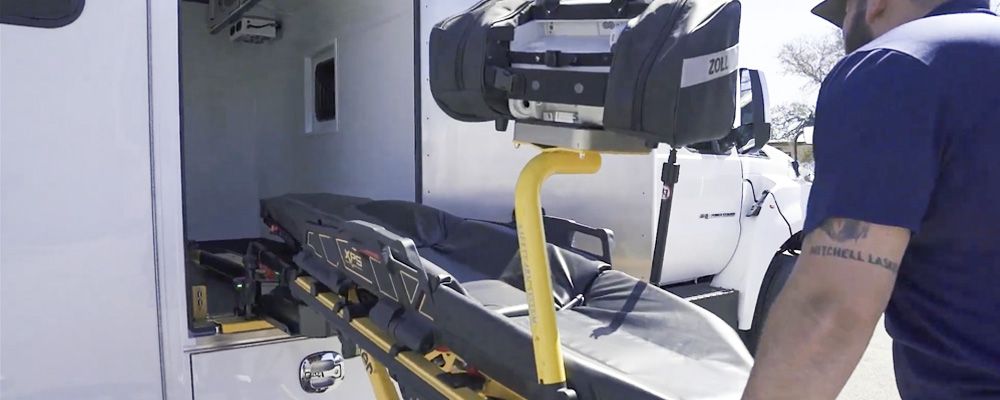
Transverse Loading & Dual Stretchers: Engineering for Critical Care It started with masking tape on a conference room floor. A regional EMS provider’s clinical directors and fleet managers were laying out the space they wanted inside a new critical care vehicle. Their transport teams were handling higher-acuity patients, including neonates who required large Isolette incubators. Their existing vehicles did not provide the space, power layout, or working flow they wanted for that mission. For some transport programs, a dual stretcher configuration can create more flexibility for inter-facility transfers and other specialized operations. But adding another patient position, a large Isolette, medical equipment, and a larger clinical team changes the engineering requirements. Door openings, load heights, payload, power, seating, and equipment access all need to work together. Here is how Frazer took Floyd EMS’s taped-out floor plan and turned it into a 15-foot custom critical care vehicle designed around the team’s equipment and workflow. From Masking Tape to a 15-Foot Critical Care Vehicle Customization means more than choosing cabinet colors or adding equipment. For a specialized critical care team, it can mean designing the patient compartment around how clinicians actually work. Smart Advantage research conducted for Frazer found that a manufacturer’s willingness to customize a design to customer preferences was one of the most important factors EMS and fire professionals considered when evaluating a vehicle provider. Working with sales partner ETA, Frazer used Floyd EMS’s taped floor plan as the starting point for the vehicle. The engineering team then translated those ideas into a buildable 15-foot module, accounting for the crew, patient positions, Isolette dimensions, equipment clearances, power requirements, and chassis capacity. The goal was not to ask Floyd EMS to fit its clinical process into a standard layout. The goal was to understand how the team wanted to work and engineer the vehicle around those requirements wherever practical. How Can a Dual Stretcher Layout Expand Transport Options? A custom dual stretcher layout can give an agency the option to carry two patients, or an Isolette and a standard stretcher, within the same 15-foot module when protocols and operating requirements allow. For appropriate inter-facility transfers or mass-casualty operations, that additional position can give a department more flexibility in how it uses its fleet. The challenge is creating that capacity without taking away the working room clinicians need around the patient. Why This Critical Care Build Uses an F-650 Payload becomes an important part of the conversation when a department is planning a larger module with two patient positions and specialty equipment. The chassis has to account for the completed module, crew, patients, medical equipment, fluids, supplies, and other items carried during normal operation. For Floyd EMS, Frazer built the 15-foot module on a 2022 Ford F-650 Crew Cab. The chassis was selected around the expected weight and configuration of the completed vehicle. A neonatal transport team may include a medic and several critical care clinicians. Add a 300-plus-pound Isolette, another stretcher, medical equipment, and the module itself, and the payload requirements can increase quickly. What this means in the field: The medium-duty F-650 provides the Gross Vehicle Weight Rating, or GVWR, needed for the anticipated demands of this configuration. Selecting the chassis around the completed mission helps the crew carry the people and equipment they need while operating within the vehicle’s rated limits. What Load Height Is Needed for a Transverse Stretcher? Loading a stretcher or Isolette through a transverse side door requires close attention to floor height, door clearance, and the equipment’s loading geometry. On the Floyd EMS build, Frazer engineered the transverse loading area at approximately 33-34 inches. The goal was to create a transition that worked with the compatible power stretcher and Isolette equipment identified for the vehicle, including equipment with loading heights of up to approximately 37 inches. Have a question for the team? Ask a Question Engineering the Door Around the Equipment Before building a custom side-loading configuration, there are practical questions to answer. Will the Isolette clear the opening? Is there enough room around equipment mounted to its sides? Will the floor height work with the crew’s loading process? Floyd EMS provided Frazer with the dimensions of its Isolette, including equipment extending from both sides. Frazer used those measurements to engineer the side door opening and nearby upper cabinet clearances. The transverse entrance also includes a custom transition plate designed around compatible power-loading equipment. With the floor height at approximately 33-34 inches, the transition is intended to help crews move compatible equipment across the threshold more smoothly. If the primary power-load equipment cannot be used, the transition plate can also fold down to provide another way to move a compatible stretcher into the module. Why Does Redundant Power Matter in Neonatal Transport? Critical care teams may depend on electrical power for equipment such as incubators, ventilators, monitors, and other devices. On a long inter-facility transport, having more than one available power source can give the crew additional options if one source becomes unavailable. For the Floyd EMS vehicle, Frazer incorporated three power paths: a chassis-independent Cummins Onan generator, a 120V 1500W inverter, and the vehicle’s 12V electrical system. Multiple Power Options for the Patient Module The Cummins Onan generator supplies 120V AC power for compatible medical equipment and the module’s 15,000 BTU air-conditioning system. Because it operates independently of the Ford F-650 chassis, the module does not have to rely solely on the chassis engine for this source of electrical power. The 1500W inverter provides another source of 120V power for compatible equipment while the vehicle is operating. Frazer’s standard 12V system provides an additional electrical path for compatible 12V accessories and module lighting. What this means in the field: Instead of depending on a single source, the crew has several available power options for compatible systems and equipment. Frazer also uses straightforward point-to-point wiring rather than relying on a complicated multiplexed electrical architecture, which can make troubleshooting and service more direct. Designing the Interior Around the Clinical Team A critical care interior has
Critical Care Transport: Managing the Risks of Chassis-Dependent Power
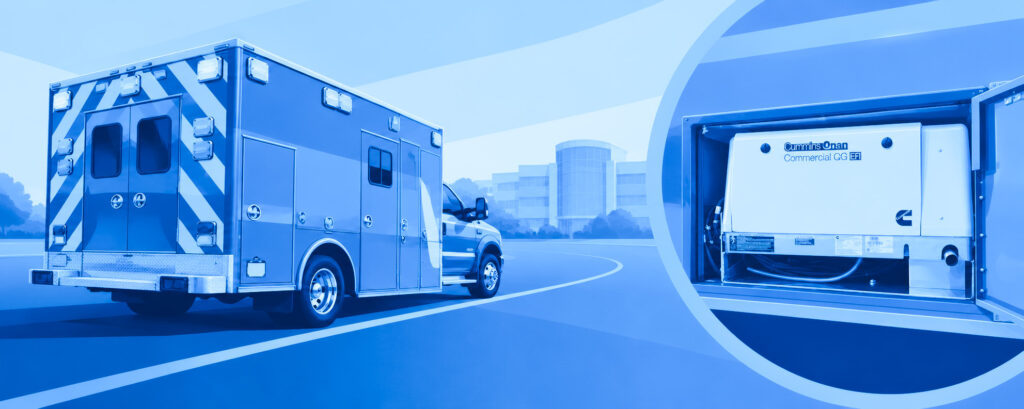
Critical Care Transport: Managing the Risks of Chassis-Dependent Power You just won a hospital contract that calls for dual critical care transports. There is one problem: your current electrical system already struggles to keep a single Isolette and the air conditioning running in 100-degree heat without tripping breakers. Adding more equipment only puts more demand on a system that may already be working near its limits. For private EMS operations directors and fleet managers, that creates two important concerns. A power interruption during a high-acuity neonatal transfer can create clinical and operational challenges. Electrical problems that are difficult to diagnose can also lead to costly downtime and keep an emergency vehicle out of service longer than expected. As interfacility transfers become more complex, your vehicle may need to support the demands of a mobile ICU. Multiple medical devices, climate control, and other equipment can create electrical loads beyond what some standard 911 configurations were designed to handle. Large inverters and chassis-driven HVAC systems can also place more demand on the chassis engine, increasing high-idle operation and the maintenance demands that can come with it. This guide explains how Frazer’s independent power system and three available power sources can help keep critical equipment powered if one source becomes unavailable. We will also look at how straightforward, standardized wiring can make service easier compared with some traditional electrical systems. The Demand of Dual Care: Reducing Dependence on a Single Power Source During a critical care transport, your vehicle is more than transportation. It is a mobile care environment. When multiple ventilators, Isolettes, and a high-demand HVAC system all depend heavily on the chassis engine and alternator, a single mechanical problem can affect more than your ability to drive down the road. If the chassis engine becomes unavailable, equipment that depends on chassis-supplied electrical power may lose its primary source of power as well. That makes power redundancy an important consideration for operations directors planning high-acuity transports. A larger alternator and inverter can provide another approach, but it may also place additional demand on the chassis and increase high-idle operating time. How Can an EMS Vehicle Support Two Ventilators and an Isolette? Dual critical care transports can benefit from an independent power plant, such as a Cummins Onan generator, that supplies the module’s 120V outlets and high-demand HVAC loads separately from the primary chassis electrical system. This gives the patient module a dedicated source of power while reducing demand on the chassis electrical system. Frazer takes that concept further by providing three available sources of power. The goal is simple: give crews options if one source becomes unavailable while reducing unnecessary dependence on the chassis. Have a question for the team? Ask a Question Layer 1: The Independent Generator Fleet directors have every reason to ask whether adding another engine means adding another maintenance headache. One of the most common questions is, “Generators are another component to maintain. Why not run a large inverter off the truck?” It is a fair question. A generator does require scheduled maintenance, but its job goes beyond supplying 120V power. Because the generator powers module electrical loads and HVAC separately, it can reduce the demand placed on the chassis engine while the vehicle is being used for patient care. When an EMS vehicle relies primarily on the chassis for 120V power and climate control, the chassis may need to spend more time running or operating at high idle while crews are on scene. Frequent or extended idling can add operating hours and maintenance demands, particularly on modern diesel chassis and their emissions systems. Frazer’s independent 120V AC Cummins Onan generator allows the patient module and its dedicated 15,000 BTU air conditioning system to operate from a power source separate from the chassis. In practical terms, the module has its own power plant. If the chassis engine shuts down, the generator is designed to continue supplying module power, depending on system condition, load, and configuration. For fleet operations, that separation matters. Using an independent generator for module electrical and HVAC loads reduces reliance on the chassis for those functions and can help limit unnecessary chassis engine use over the life of the vehicle. Layers 2 and 3: Automatic Backup Power Even well-maintained mechanical and electrical systems can experience unexpected problems. During a neonatal or other high-acuity transfer, the last thing critical care nurses and paramedics need is another task pulling their attention away from the patient. That is why Frazer’s electrical design includes additional available power sources. Instead of depending entirely on one system, the vehicle provides backup options when the primary source becomes unavailable. What Happens if the Generator Stops During a Critical Transport? If generator power becomes unavailable, Frazer’s 1500-watt inverter is designed to provide an alternate source of 120V power from the chassis for supported equipment and loads. If 120V power is unavailable, the standard automatic 12V system provides another source for compatible 12V equipment and vehicle systems. The system is designed to transition between available power sources automatically. That can reduce the amount of manual electrical intervention required from the medical crew during a power interruption, helping clinicians stay focused on patient care instead of troubleshooting the vehicle’s electrical system. How Can Point-to-Point Wiring Simplify EMS Vehicle Maintenance? Point-to-point wiring reduces dependence on multiplex nodes and can allow in-house mechanics to diagnose many electrical issues using common tools, including test lights. Frazer also uses standard automotive relays that may be available through local auto parts suppliers. For certain repairs, that can give fleet teams the ability to solve the problem without waiting for a specialized electronic component. This focus on serviceability has also appeared in customer research. In a double-blind, independent market research study, respondents were asked which brand spends the least amount of time in the shop. Frazer received 39% of the mentions. Source: Survey Results Presentation, 10-30-20. For fleet technicians, familiar components and straightforward wiring provide more options for diagnosing and completing certain repairs in-house. That can reduce dependence on specialized
The Dual Stretcher Dilemma: Supporting High-Capacity EMS with Independent HVAC
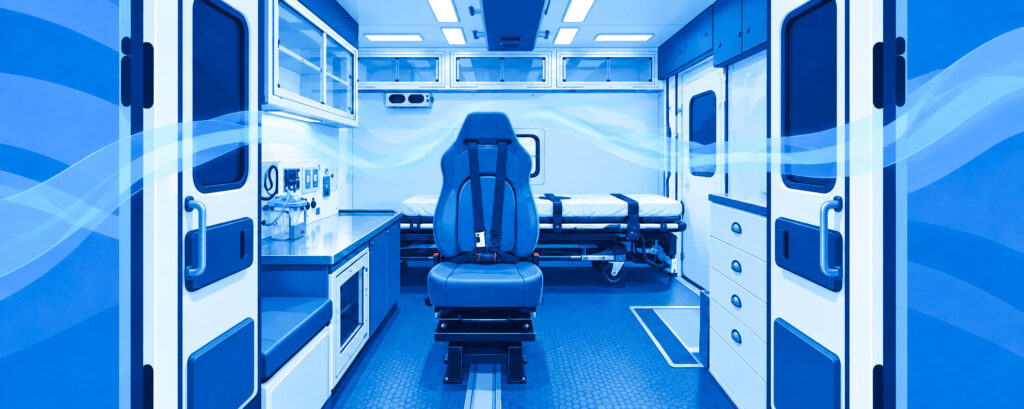
The Dual Stretcher Dilemma: Supporting High-Capacity EMS with Independent HVAC You just won a major inter-facility transport contract. That is good news, but running back-to-back dual-stretcher transports in July can put more demand on your vehicle’s climate-control system. If units spend more time in the maintenance bay for A/C repairs or crews struggle to keep the module comfortable, fleet availability and daily operations can suffer. A dual-stretcher configuration can help agencies increase transport capacity while preserving 911 fleet resources. It also means more patients, more crew members, and more equipment inside the module, all of which can add heat. In a double-blind industry study, 76% of surveyed professionals cited HVAC and EMS vehicle air filtration as the #1 safety feature influencing their vehicle selection. That raises an important question: How do you keep a high-capacity patient compartment comfortable without putting even more demand on the chassis? One option is to move beyond a traditional 12V OEM cooling loop and use chassis-independent HVAC powered by a 115VAC system. The Reality of Multi-Patient Heat Loads A common concern we hear from EMS Operations Directors is simple: “We can’t keep our dual units cool enough in the summer. It’s just too many bodies in a small space.” That concern makes sense. Two patients, multiple crew members, medical equipment, and frequent door openings can create a significant heat load. The HVAC configuration plays an important role in how quickly the patient compartment can respond. When module climate control relies on the chassis cooling loop, recovering after the rear doors open may take longer, which can affect crew comfort and conditions for temperature-sensitive medical cargo. Frazer addresses these demands with a 15,000 BTU self-contained HVAC unit. The system is designed to cool the patient compartment and maintain a minimum cooling differential of 25 to 30 degrees. It can also maintain a 35°F or greater difference between outside and inside temperatures under specified operating conditions, including severe summer conditions with multiple occupants. “Our winter put to rest any concerns regarding staying warm in a Frazer. And the A/C unit in the summer rocks. We have been between 95° and 100° many days… Good job and thanks for leading us in the right direction.” – Altoona Fire Department Why Consider Independent Generator Power for a Dual-Stretcher EMS Vehicle? Independent power gives the module HVAC its own source of energy instead of relying on a standard 12V OEM cooling loop for the primary patient-compartment cooling load. A 115VAC independent power system can run a 15,000 BTU A/C unit while reducing the HVAC demand placed on the truck’s chassis systems. This separation can be especially useful during long inter-facility transports or other high-capacity operations. The system is designed to provide high-volume airflow and recirculate the air in the module every two minutes, helping maintain consistent air movement while crews are working. Why Air-System Separation Matters for Infection-Control Planning High-capacity transport also raises questions about the patient-care environment. Safety officers may ask, “How do we manage infection-control concerns when transporting two critical patients in one module?” There is no single feature that replaces an agency’s infection-control procedures. Filtration, cleaning, PPE, clinical protocols, and vehicle design can all play a role. For agencies evaluating their options, separating the module’s airflow from the cab can provide another layer of environmental control. Some vehicle configurations use passive filters, physical barriers, or other methods to manage airflow. When the cab and patient compartment share ductwork or air-handling components, airflow between those spaces may also be an important consideration during the specification process. How Can Chassis-Independent HVAC Support Airflow Separation? A chassis-independent HVAC system can support airflow separation by giving the medical module its own air-handling system. The patient compartment does not share HVAC ducting or air handling with the driver’s cab, helping limit shared airflow between the two spaces. In practical terms, the cab has its system and the patient compartment has its own. That separation gives agencies another factor to consider when planning the patient-care environment. What Is the Difference Between Active and Passive Air Filtration? Passive air filtration uses physical filter media to capture airborne particles as air moves through the system. Active air-purification technologies use additional methods to address certain airborne contaminants. Their effectiveness can vary based on the technology, system configuration, maintenance, operating conditions, and the contaminants involved. For Medical Directors and fleet teams evaluating vehicles for patient transport, filtration should be considered as part of a broader air-management strategy. Physical filters capture particles within the filter media, while active technologies provide an additional method of treating air as it circulates through the system. Frazer’s available air-filtration systems are designed for mobile clinical environments. Depending on the selected configuration, the HVAC system can pair physical media filtration with active air-treatment technology. Available options include the Dometic BreatheEasy Ionizer package and the Sentinel clean air system. These technologies are designed to address certain pathogens, odors, and particulates as part of the module’s overall air-management system. Have a question for the team? Ask a Question What Does Independent Power Mean for Long-Term Fleet Costs? Even when an agency sees the operational benefits of a 15,000 BTU independent HVAC system, the budget team may still have a fair question: “Can we justify the upfront cost of a custom generator-powered dual-stretcher unit?” Purchase price matters, but it is only one part of the ownership picture. Chassis replacement, engine wear, maintenance, downtime, and the ability to remount a module can also affect long-term fleet costs. Using the truck engine to support additional HVAC demands during high-idle, dual-patient transports can add operating load to chassis systems over time. In a Frazer configuration, the truck engine drives the truck while a Cummins Onan generator or an alternative MEPS/hPower solution supplies power to the module. Separating these systems is designed to reduce HVAC-related demand on the chassis while supporting serviceability. In fact, in the 2020 Double-Blind Industry Survey, 39% of surveyed industry professionals cited Frazer as the brand that spends the least amount of time in the
Lifecycle of a Type I EMS Vehicle Remount: Making Modules That Last
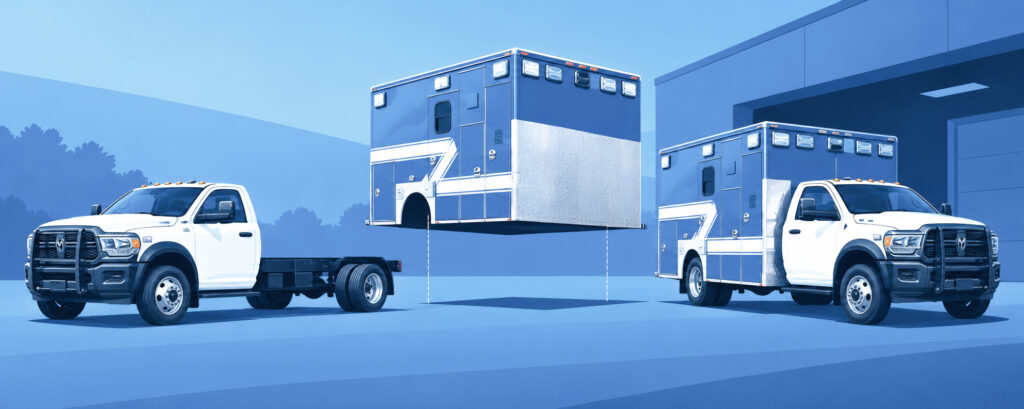
Lifecycle of a Type I EMS Vehicle Remount: Making Modules That Last High-volume 911 service can be tough on a Type I truck chassis. High engine hours, extended idling, heavy mileage, and demanding operating conditions all add wear over time. Eventually, the chassis may reach the end of its useful service life while the custom workspace on the back still has years left to give. That raises an important question: What if the module was designed to serve through more than one truck chassis? Remounting gives departments another option. Instead of replacing the complete vehicle every time the chassis ages out, an eligible EMS module can be inspected, updated, and mounted onto a new chassis. This article explains how that process works and what departments should consider when planning a long-term fleet strategy. The Toll of High-Volume 911 Response on Type I Chassis If you manage an EMS fleet, you already know what these vehicles go through. Type I units can spend long hours responding to emergencies, idling on scenes, traveling hard miles, and supporting demanding electrical loads. Engine hours are an important part of that picture. Extended idling can place additional demands on modern diesel emissions systems and the OEM truck electrical system. When the module also depends on the truck’s alternator to run high-draw medical equipment and air conditioning, the chassis electrical system has even more work to do. Over time, electrical or mechanical problems can take a frontline vehicle out of service and force crews to rely on reserve units. The module may have a different service-life story. Mileage, engine hours, operating conditions, and maintenance all affect the truck chassis, but they do not automatically determine the useful life of the patient compartment. A module designed with independent systems can be evaluated separately to determine whether it is ready for another chassis. How Can Independent Power Support EMS Module Life? Frazer takes an independent approach to module power. Generator options such as Cummins Onan and MEPS allow the module to operate its 120V AC electrical equipment and HVAC separately from the truck’s OEM electrical system. On a hot summer afternoon, for example, the truck’s alternator does not have to carry the module’s 120V HVAC load to keep the patient compartment cool. Separating those demands can reduce the electrical load placed on the OEM system. Frazer also follows the KISS Principle, or Keep It Super Simple. We use point-to-point wiring and standard automotive relays instead of depending on complex proprietary multiplex nodes. The goal is simple: make the system easier to understand, diagnose, and service. Depending on the repair, that can help fleet mechanics solve electrical problems in their own shop with standard tools and get the unit back into service sooner. When the truck chassis eventually reaches the end of its service life, the module’s power, HVAC, electrical, structural, and other systems can be inspected together to determine whether the module is a good candidate for remounting. How Is an EMS Module Evaluated for Continued Service? A remount is not simply a matter of moving a module from one chassis to another. The module first needs to be evaluated to determine whether its structure and systems remain suitable for continued service. That matters to Fire Chiefs, Fleet Managers, mechanics, and medics. After years of calls, road miles, vibration, weather, and daily use, it is reasonable to ask how the module has held up and what may need attention before it begins another chassis lifecycle. Frazer builds its patient modules around a base frame using 3″ x 1.5″ x 3/16″ 6061-T6 structural aluminum tube and channel. This construction is designed for the vibration, twisting, payloads, and operating conditions that come with EMS service. Frazer modules are also designed around applicable vehicle standards, including CAAS GVS and Triple-K requirements where applicable. Have a question for the team? Ask a Question Structural Integrity in the Real World: The CareFlite Rollover Compliance testing provides one way to evaluate module construction. Real-world incidents can provide another look at how a module performed under a specific set of conditions. According to Frazer records covering more than 4,500 EMS modules built since 1984, the company has recorded zero module detachments in collisions. One documented CareFlite incident offers an example. During a severe collision, a CareFlite Frazer unit experienced a 52 MPH front driver’s-side impact followed by a 90-degree rollover. The truck chassis sustained significant damage, while the module remained intact enough to be evaluated for continued use. The crew reported no injuries. After evaluation and minor cosmetic repairs, the module was remounted onto a new chassis and returned to service. This example does not predict how a module will perform in every collision. It does show how this particular Frazer module performed under those specific conditions. Can a Remount Preserve Our Crew’s Custom Workspace? For medics running call after call, the patient compartment is more than the back of a truck. It is their workspace. They know where equipment is stored, how to move through the module, and how the layout supports patient care. Replacing the complete vehicle can mean introducing a new stretcher configuration, different cabinet locations, or a different workflow. Crews then have to adjust to that new environment. Remounting an eligible module can help preserve much of the workspace the crew already knows. Frazer uses formed aluminum cabinetry that is mechanically secured to the module structure rather than wood-based cabinetry. This helps reduce concerns related to moisture, warping, and deterioration of wood components over time. During the remount process, the module structure, cabinetry, interior, HVAC, electrical systems, and other components can be inspected. The evaluation helps determine what can remain in service and what should be repaired, replaced, or updated. The result can give the department a new truck chassis while preserving much of the workspace and workflow its crews already use every day. The Financial Side: Lowest Overall Cost of Ownership (LOCO) City Managers, EMS Directors, and Procurement Officers have to look beyond today’s purchase price. A custom Type
The Financial Case for Texas Ambulance Remounts: Warranties & LOCO

The Financial Case for Texas Ambulance Remounts: Warranties & LOCO If you manage an emergency response fleet in Texas, you know the challenge. Your vehicles need to be ready for the next call, but new equipment is a major investment. That makes every replacement decision important. How do you keep reliable vehicles in service while making responsible use of your department’s budget? Many departments consider replacing EMS vehicles on a five-to-seven-year cycle. But the truck chassis and patient module do not always age at the same rate. If the module is still in good condition, replacing the complete vehicle may mean retiring a major asset that could continue serving your department through a remount. Texas heat, demanding duty cycles, aging equipment, and tight municipal budgets make long-term fleet planning especially important. A remount gives departments another option. Instead of asking only, “When should we replace this vehicle?” you can also ask, “Which parts of this vehicle actually need to be replaced?” This guide looks at the financial and operational factors behind factory-direct remounting, including Lowest Overall Cost of Ownership (LOCO), warranty coverage, service after the sale, and HVAC performance in demanding Texas conditions. The Depreciating Asset Challenge: Rethinking EMS Vehicle Lifecycles A common fleet replacement cycle is simple: purchase a complete vehicle, operate it for five to seven years, retire it, and purchase another one. That approach treats the chassis and patient module as if they have the same useful life. In practice, they may not. Engines, drivetrains, and other chassis components face demanding conditions that include long periods of idling and emergency-response driving. A properly engineered all-aluminum patient module can have a much longer service life. When that module remains structurally suitable for continued use, remounting allows a department to keep the module and replace the chassis beneath it. This is where Lower Overall Cost of Ownership, or LOCO, becomes useful. Instead of looking only at the purchase price of the next vehicle, LOCO asks departments to consider costs across the life of the equipment. A department may be able to purchase a new chassis and remount its existing custom module rather than purchasing a complete replacement vehicle every cycle. Frazer modules use all-aluminum, wood-free construction and are designed to support multiple remounts when their condition remains suitable. Some Frazer modules have exceeded 1 million miles of service and 20 years of continuous use through the remounting process. That does not mean every module will reach those milestones, but it shows why evaluating the condition of the module separately from the chassis can be an important part of fleet planning. Have a question for the team? Ask a Question What Is an Important Factor When Choosing an EMS Vehicle Builder? Price matters, but it is not the only factor departments consider. In a double-blind survey of 100 EMS and Fire professionals, “Support after the sale” ranked as the number one attribute influencing builder selection. That makes sense when you consider how long a department may own and maintain its equipment. Why Support After the Sale Matters Imagine an electrical issue takes a unit out of service. Your team may need technical guidance, warranty information, replacement parts, or help with a repair. When several organizations are involved, getting those answers can require more calls and more coordination. A factory-direct relationship gives customers a direct connection to the company that built the unit. When your mechanics have a technical question or need a replacement part, they can contact Frazer directly instead of routing the request through a third-party sales organization. In the same survey of EMS and Fire professionals, Frazer received 39% of mentions for the brand spending the “least amount of time in the shop.” For departments evaluating long-term costs, that support relationship belongs in the conversation alongside purchase price, maintenance needs, warranty coverage, and expected service life. Does an EMS Vehicle Remount Renew Warranty Coverage? It can, but the coverage depends on the builder and the remount program. When Frazer remounts a module onto a new chassis, the remount includes a two-year warranty against remount failure and a five-year warranty on electrical system wiring. Those defined warranty terms give departments another factor to consider when comparing the long-term cost of a remount with a complete replacement. Managing Financial Risk During a Remount A common question about remounting is simple: if we keep the patient module, what could we be taking on in future maintenance costs? Procurement teams may also want to know what warranty protection applies after the work is complete. A factory remount gives the builder an opportunity to evaluate applicable systems as part of the process. During a Frazer remount, electrical systems, mounts, and hardware are evaluated and updated as applicable. Frazer’s electrical design also follows the “KISS Principle,” using point-to-point wiring and standard automotive relays instead of proprietary printed circuit boards. The goal is straightforward: make the system easier to understand and service. After the remount, the primary construction is warranted against remount failure for two years, while electrical system wiring is warranted for five years. Departments can include these terms in their capital and maintenance planning rather than treating future support as an unknown. How Can EMS Vehicle HVAC Performance Be Affected by Texas Heat? Texas heat puts patient-compartment cooling to the test. Chassis-driven air-conditioning systems depend on the vehicle’s engine and related components, so performance can vary with operating conditions such as high outside temperatures and extended idling. Managing Texas Heat With Independent 115VAC Cooling Frazer takes a different approach. Frazer modules use an independent 115VAC HVAC system powered by a dedicated generator. This separates patient-module climate control from the chassis HVAC system. When crews are working a scene in 105-degree weather, maintaining the patient compartment matters for both patients and medics. Frazer’s patient-module system is designed to deliver a minimum cooling differential of 25 to 30 degrees and to support cooling during demanding conditions, including extended periods of idling. When an eligible Frazer module is remounted, its independent power and climate-control system
Ambulance Remounting: 3 Structural Red Flags Every Fleet Tech Should Know
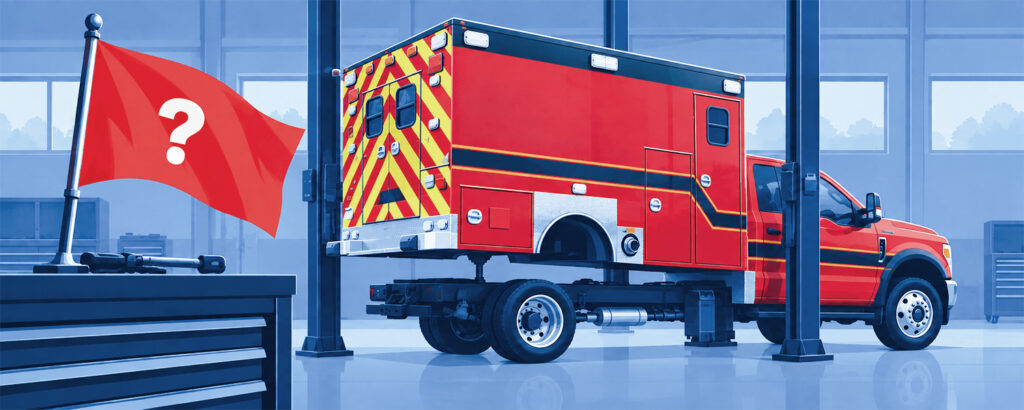
Ambulance Remounting: 3 Structural Red Flags Every Fleet Tech Should Know You are looking at a 10-year-old EMS module parked in the bay. Budget season is approaching, and the Fire Chief wants to know if you can put that existing module on a new chassis to help manage the department’s capital budget. On paper, the financial case for ambulance remounting can look appealing. In the shop, though, the physical condition of the module matters just as much as the numbers. You are the one who has to pull up the floorboards, inspect the welds, and trace the wiring. Remounting an EMS module can create operational challenges if the original module was not designed with long-term service and future remounting in mind. As chassis costs rise and availability changes, extending the life of an existing module through a chassis transfer can be an attractive option. But if that module needs major structural, interior, or electrical work, those repairs can quickly reduce the financial benefits of a remount. Before you sign off on a chassis transfer, it helps to know what to look for. Three areas deserve particular attention: the floor and interior materials, the electrical system, and the module’s structural foundation. Understanding these areas can help your department make a more informed fleet decision before committing time and money to a remount. Evaluating Your Fleet: Not All Modules Are Built for a Second Life Emergency vehicle teams may approach remounting with a simple assumption: “A box is a box. We can put our existing aluminum module on a new truck and save money.” For a fleet mechanic or maintenance director, that assumption can overlook some important differences in how modules are built. A fresh coat of paint and new diamond plate can make a 10-year-old module look good again, but appearance only tells part of the story. The condition underneath the surface can play a major role in whether a remount makes financial and operational sense. Materials and construction choices made when the module was originally built can affect how well it holds up through years of service and whether it is ready for another chassis. Thin framing materials, wood components that have been exposed to moisture, or aging proprietary electrical systems can all add cost and complexity to a remount. That is why a thorough inspection matters before making the decision. Have a question for the team? Ask a Question Red Flag #1: Why Do Wood Subfloors Matter in EMS Vehicles? EMS vehicle interiors regularly encounter water, cleaning chemicals, and other fluids. When wood components are repeatedly exposed to moisture, they may be more susceptible to rot, warping, and deterioration. A wood-free design removes that particular concern when a module is evaluated for long-term service and future remounting. If you have ever gutted the interior of an aging emergency vehicle, you know what deteriorated subfloor materials can mean for a repair. Over seven to ten years of daily service, the patient compartment may be exposed to bodily fluids, spilled saline, rain, and repeated cleaning and decontamination. Bleach and other cleaning chemicals can also find their way through flooring seams and into underlying materials. Wood can absorb moisture when exposed to it repeatedly. Plywood subfloors and wood-backed cabinetry may eventually experience rot, warping, or other deterioration. For a technician evaluating a module for remounting, a soft or damaged floor should get your attention. If the interior needs extensive reconstruction before it can go back into service, those repairs need to be included in the true cost of the remount. Frazer takes wood out of the equation in its EMS module construction. Instead of plywood, Frazer builds the patient compartment floor with aluminum sheets laminated over a polycarbonate core. Cabinetry is made from formed aluminum that is powder-coated and mechanically secured to the module structure. For technicians in the shop, this construction is designed to eliminate maintenance concerns specifically related to wood deterioration. After years of demanding service and repeated cleaning, a module being considered for another chassis can be evaluated without the added concern of hidden wood rot in these components. Red Flag #2: Why Consider Point-to-Point Wiring for an Ambulance Remount? Point-to-point wiring uses standard automotive relays and accessible fuses instead of depending on proprietary multiplex nodes for these functions. The goal is simple: make the electrical system easier to understand, diagnose, service, and support over the life of the module. The electrical system is another important part of a remount evaluation. Some emergency vehicles use multiplex systems with specialized computer nodes to control functions such as interior lighting and suction. Depending on the system’s age, manufacturer support, and parts availability, older proprietary electronics can create additional questions during a remount. For example, a department evaluating a 10-year-old multiplexed module may need to determine whether its circuit boards and software are still supported and whether the existing system can be integrated with the replacement chassis. If components have become obsolete or are no longer compatible, additional electrical work may be necessary. Frazer takes a different approach with its KISS Principle: Keep It Super Simple. Frazer modules use point-to-point wiring, standard automotive relays, and easily accessible fuses. This approach is intended to make common electrical components easier for technicians to find, diagnose, and replace without requiring specialized manufacturer software for routine repairs. Think about a relay failure in the middle of a night shift. With an accessible, standard component, a technician may be able to diagnose the problem, replace the relay, and return the unit to service without waiting for proprietary diagnostic equipment or a specialized replacement part. During a remount, the same straightforward architecture can also make the electrical transfer easier to understand and service. Frazer also renews the full construction warranty on the module after completion of a factory remount, giving the remounted module renewed warranty coverage and providing departments with additional confidence as they begin another chassis lifecycle. Red Flag #3: What Base Frame Specs Support an Ambulance Remount? A module intended for remounting needs a solid
Evaluating HVAC Systems for EMS Vehicles: Architecture & Uptime
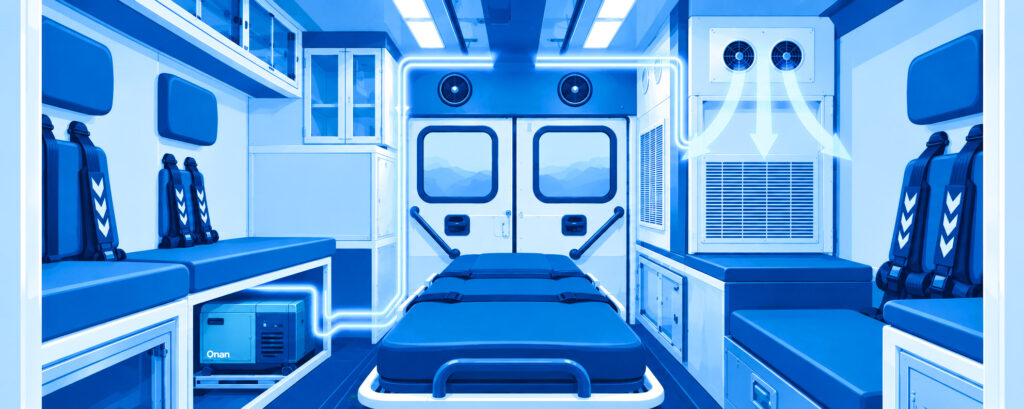
Evaluating HVAC Systems for EMS Vehicles: Architecture & Uptime For fleet managers and fire chiefs, an HVAC problem is more than a comfort issue. It can take an expensive vehicle out of service and create maintenance costs you did not plan for. That makes HVAC architecture worth considering before you choose your next EMS vehicle. You may have seen a fleet vehicle with relatively low mileage but surprisingly high engine hours. Your mechanics may have also spent valuable shop time tracing an AC problem through an interconnected system. Long hospital wait times and hot summer conditions can make these issues even more important because crews may need climate control for hours while on an extended call. So, what should you look for? This article explores how HVAC architecture, especially independent power, can affect chassis engine hours, maintenance, serviceability, and your overall cost of ownership. The Hidden Costs of Chassis-Dependent Climate Control Every AC system requires maintenance. The difference is how the system is built and what has to run to keep your patient module cool. With a chassis-dependent system, climate control may require the chassis engine to continue running even when the vehicle is parked. “The conversation needs to shift from simply asking ‘how many BTUs does it have?’ to ‘how many engine hours is this costing us?’” How Can Idling for Climate Control Affect EMS Chassis Engines? If the chassis engine has to idle to support patient-module cooling, those engine hours continue to add up even when the odometer does not. Depending on the chassis, duty cycle, operating conditions, and regeneration strategy, extended idling may contribute to diesel particulate filter loading, added maintenance, and engine wear. Think of those extra hours as an “Idling Tax.” A vehicle may sit at a scene or outside an emergency department for hours while the engine continues to run just to support climate control. Over the life of the vehicle, those hours can become an important part of the maintenance and ownership-cost picture. Can Shared HVAC Systems Make Service More Complicated? When the cab and patient-module AC systems share compressors, refrigerant lines, ducting, or other components, technicians may have to inspect several areas of the vehicle to find a problem. Depending on the design and the issue, that work may include accessing components behind the cab dashboard. That means a problem that starts with patient-module cooling may require work elsewhere in the vehicle. The more involved the diagnosis and repair become, the longer the unit may be unavailable for service. Does Engine RPM Affect Cooling Performance? With a chassis-driven AC system, cooling performance can depend in part on engine operating conditions. Compressor speed and available cooling capacity may be different while the vehicle is parked and idling than when the engine is operating at higher speeds. In extreme heat, that difference may matter when crews need patient-module cooling the most. Have a question for the team? Ask a Question The Frazer Approach: Chassis-Independent HVAC An independent power system comes with its own maintenance considerations. A generator, for example, still needs routine service. The question is not whether maintenance disappears. It is where that maintenance happens, how easy the system is to access, and what equipment has to run to keep the patient module comfortable. A slide-out generator is designed to give technicians direct access for service and repair. Major chassis-engine work can be far more involved and expensive. Depending on the chassis, parts, labor, and circumstances, a chassis engine replacement can cost more than $15,000. Frazer’s chassis-independent architecture is designed to reduce the need to operate the chassis engine solely for patient-module climate control. It is also designed to make HVAC service easier to access. In an independent double-blind market research study of EMS and fire professionals, respondents were asked, “Which brand spends the least amount of time in the shop?” Frazer received 39% of mentions. How Can Independent Power Reduce Chassis Engine Hours? Frazer offers independent power options, including Cummins Onan generators and MEPS systems, to power the patient module’s 115VAC HVAC system. This moves the module’s climate-control load away from the chassis engine. Depending on the vehicle configuration and operating needs, crews can shut off the chassis engine while on scene or during a long hospital wait and continue powering the patient module. Reducing the need to idle solely for module cooling can help limit unnecessary engine hours. Depending on the chassis, duty cycle, and operating conditions, it may also help reduce some maintenance associated with extended idling. What Is Cab Isolation in an EMS Vehicle? Cab isolation means the driver’s cab and patient module use separate HVAC systems instead of sharing compressors, ducting, or airflow. Keeping the two systems separate can make it easier to isolate certain HVAC problems and can limit direct air exchange through shared HVAC ductwork. Frazer’s 115VAC HVAC system does not share ducting or air handling with the truck cab. If the module AC needs service, the cab HVAC can remain available as long as the chassis and its systems are operating properly. This separation can also make some diagnostic work more straightforward because technicians do not have to access shared dashboard HVAC components to service the module system. Separate air-handling systems may also support an infection-control strategy by limiting HVAC-related air exchange between the patient module and cab. Actual exposure to airborne contaminants depends on many factors, including airflow, filtration, ventilation, vehicle configuration, operating conditions, and your organization’s infection-control practices. How Can Point-to-Point Wiring Make Service Easier? Point-to-point wiring uses standard automotive relays and terminal strips that technicians can check with common electrical testing tools. Compared with systems that depend on proprietary multiplexed components, this approach can reduce the need for specialized diagnostic software or proprietary electronic nodes for certain repairs. It comes back to a simple idea: Keep It Simple. When an electrical or HVAC problem comes up, technicians can trace many circuits with standard tools and replace commonly available components when appropriate. The self-contained HVAC design also reduces its connection to dashboard
Do Ambulances Have Air Conditioning? A Guide to Ambulance Air Conditioners
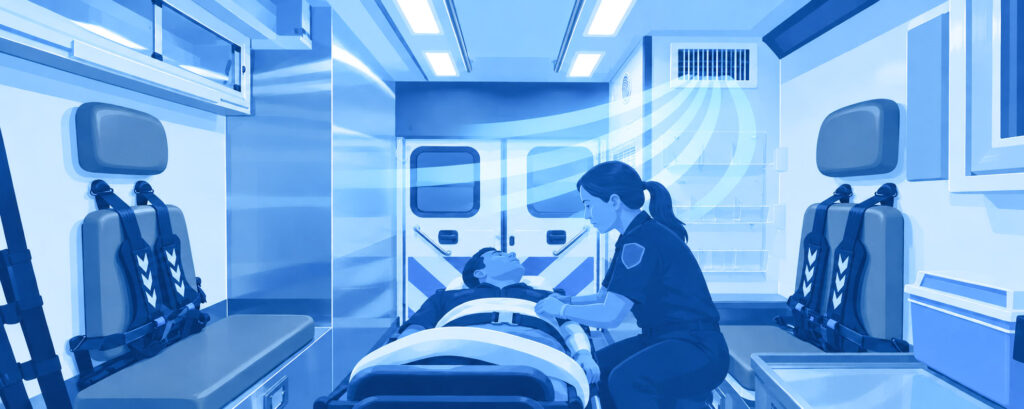
Do Ambulances Have Air Conditioning? A Guide to Ambulance Air Conditioners Picture an August shift in Texas. The pavement is hot, the vehicle has been sitting outside a facility for hours, and the patient module is struggling to stay cool. For crews working in that environment, air conditioning is more than a comfort feature. It affects the space where medics work and patients receive care. Fleet managers also have to think about what it takes to keep that space cool. Long periods of engine idling can add engine hours, increase wear, and create more maintenance needs over time. That makes climate control an important part of vehicle planning, especially for departments that operate in hot climates. Industry research has also shown that HVAC matters to vehicle buyers. In our double-blind research, 76% of respondents identified HVAC and air filtration as the top safety feature influencing vehicle selection. This guide explains how heavy-duty EMS climate-control systems work, where chassis-dependent systems can face limits, and how independent power can reduce reliance on the truck chassis for module cooling. Why Standard Ambulance AC Can Struggle in the Summer It is easy to assume that a standard vehicle air conditioner will be enough for the entire EMS vehicle. In very hot climates, that may not always be the case. A dashboard AC is designed mainly for the cab, and cooling a much larger patient module can place different demands on the system. High temperatures can also make patient care harder. Starting an IV, managing an airway, documenting care, and handling equipment all require focus. A cooler workspace can help crews stay more comfortable while they do that work. Power source is another important factor. Many traditional ambulance air conditioners rely on 12-volt DC power from the truck chassis. When the vehicle is parked on scene or waiting at a hospital, the engine may need to keep running to support climate control. During long idle periods and high outside temperatures, maintaining the desired module temperature can become more difficult. Have a question for the team? Ask a Question How Do Ambulance Air Conditioners Work? Many standard systems rely on the truck engine or chassis electrical system. Heavy-duty custom EMS vehicles can take a different approach by using an independent generator to power a self-contained 120V air conditioner. This allows the module AC to operate without using the truck engine as its primary power source and can help reduce unnecessary chassis engine hours. That raises a fair question for fleet mechanics and operations managers: Will a larger AC put more demand on the truck batteries or engine? Frazer uses independent power options, including MEPS, Cummins Onan, and hPower, to separate module power needs from the chassis electrical system. What does that mean in the field? The 15,000 BTU self-contained air conditioner runs from independent generator power. This means crews may be able to turn off the truck engine entirely while continuing to run the module AC. Less chassis idling means fewer engine hours and may help reduce maintenance tied to extended idle time, including some diesel particulate filter concerns. Over the life of the vehicle, reducing unnecessary idling may also help lower operating costs. Is the Driver’s Cab Air Separate From the Patient Compartment? In Frazer vehicles equipped with this setup, the module AC does not share ductwork with the truck cab. The cab and patient module have separate airflow paths, which helps reduce shared recirculated air between the two spaces. For EMS directors and safety officers, climate control is not only about temperature. Airflow can also be part of the conversation when reviewing infection-control practices and working conditions. Some vehicle designs allow more air to move between the cab and module, while separate systems reduce that shared airflow. Why does this matter? Frazer’s 120V AC configuration is designed with separate air paths for the patient module and cab. That can support infection-control strategies intended to reduce shared airborne contaminants between those areas. Actual exposure risk depends on many factors, including vehicle setup, ventilation, filtration, PPE, operating practices, the type of pathogen, and other infection-control measures. Extreme Heat: What Does a 35-Degree Temperature Difference Mean? Departments in hot climates often want a simple answer to one question: How will the system perform during a Texas summer? Frazer units are designed with high-temperature operation in mind. The 15,000 BTU AC is designed to provide a minimum cooling differential of about 25 to 30 degrees and, under applicable operating conditions, can maintain a temperature difference of 35°F or more between the outside air and the patient module. A cooler patient module can support crew comfort and create a more controlled environment for some temperature-sensitive equipment and medications. Storage requirements vary by product, so departments should always follow the manufacturer’s instructions for medications, electronics, and other temperature-sensitive equipment. For crews, the benefit is simple. A more comfortable workspace can make it easier to focus on patient care when outside temperatures climb. One Altoona Fire Department crew member described the experience this way after operating the unit in hot weather: “The A/C unit in the summer rocks. We have been between 95° and 100° many days and I take a coat if I’m riding with a patient.” What Happens if the Generator Fails During a Call? Independent power naturally raises another question: What happens if the generator stops working? Frazer vehicles include backup power functionality for supported systems. If the primary 120V generator becomes unavailable, the vehicle’s 12V DC system is designed to provide backup power to certain equipment. The goal is to keep power management simple for crews in the field. If generator power is lost, the 12V backup system can draw from the truck chassis for supported systems. Depending on the vehicle configuration, that can include equipment such as lighting, suction, and other essential 12V systems. The exact backup capability depends on the vehicle and the equipment connected to the system, so departments should review their final configuration to understand what remains powered during a generator interruption.
Stop the Shivering: Why Ambulance Heaters Fail (And How to Fix It)

Stop the Shivering: Why Ambulance Heaters Fail (And How to Fix It) Picture a 2:00 AM winter transport. The roads are iced over. Your crew is bundled up, and your patient needs to stay warm. You turn up the thermostat, but the air coming from the heater is not getting the job done. Cold weather can expose weaknesses that are easy to overlook when specifying an emergency vehicle. If patient-compartment heat depends on the chassis, or if outside air is finding its way into an aging module, keeping the patient compartment comfortable can become more difficult. So, what should you look for? Start with two questions: Where does the heat come from, and how well does the module keep that heat inside? Why Can Emergency Vehicles Lose Heat While Idling? Some emergency vehicle heating systems depend on heat generated by the chassis engine. If the engine cannot maintain enough temperature while idling in extreme cold, patient-compartment heating performance may decline. The heater itself may not be the only issue. When patient-compartment climate control depends on the chassis engine’s coolant loop, the performance of that system is tied directly to the operation and temperature of the engine. The Challenge With Chassis-Dependent Heat During severe winter weather, an emergency vehicle may spend a long time idling on scene or at a hospital. A traditional chassis-driven heating system gets its heat from the truck engine. In extreme cold, an idling diesel engine may have a harder time producing enough heat for both the cab and a large patient compartment. There is another consideration. If a mechanical issue shuts down the chassis engine, a heating system that depends on that engine may also lose its source of heat. For crews working in freezing conditions, separating patient-compartment climate control from the chassis can provide another way to manage that risk. What Causes Cold Drafts in Older Emergency Vehicles? Materials, joints, seals, and other parts of a module can change as a vehicle ages. If gaps develop or environmental seals deteriorate, cold outside air can enter the patient compartment and make it harder to maintain the desired temperature. A drafty unit is not always just an insulation problem. Keeping a patient compartment warm also depends on the condition of the module and its environmental seals. Emergency vehicles experience years of road vibration, weather, temperature changes, and daily use. Over time, those conditions can affect construction materials and sealed joints. When outside air finds a path into the module, the HVAC system has more work to do. That added cold-air load can make maintaining a comfortable patient compartment more difficult, especially during severe winter weather. What Should You Consider When Specifying a Heating System? When evaluating winter performance, look beyond the heater’s specifications. Consider how the HVAC system gets its power, what happens when the chassis engine is off, and how the module is built to maintain its interior environment over time. How Can Independent Power Help With Heating? An independent 120V AC HVAC system powered by a dedicated generator separates patient-compartment climate control from the chassis engine. This allows the module’s HVAC system to operate without requiring the chassis engine to remain running, as long as the independent power source is operating. Frazer offers independent 120V AC power through generator options such as Onan and MEPS. This setup allows the module’s HVAC system to operate independently from the chassis engine. On scene, crews can continue using the module’s climate-control system without depending on the truck engine for HVAC power. That independence can also give fleet managers more flexibility in how they manage chassis idle time. Reducing unnecessary idling may help reduce associated maintenance demands and support chassis service life, depending on the vehicle, operating conditions, and fleet practices. Want to take a closer look at the differences between power systems? Read our guide to chassis-independent power systems. Have a question for the team? Ask a Question Why Does Module Construction Matter? Generating heat is only part of the job. You also need to keep that heated air inside the patient compartment. Frazer modules use all-aluminum, wood-free construction. Aluminum does not have some of the material concerns associated with wood, including rot, and Frazer’s construction approach is designed to support structural integrity over years of service. That matters for more than winter comfort. Long-term structural integrity is also part of Frazer’s Lowest Overall Cost of Ownership (LOCO) approach. Frazer modules are designed with remounting in mind, allowing customers to put the module back to work on another chassis when appropriate. For a closer look at how construction materials can affect a module over its service life, read our analysis of all-aluminum EMS module construction. What Happens When Something Needs Repair in Freezing Weather? Independent systems naturally raise another question: Does adding another system make the vehicle harder to maintain? The answer depends in part on how that system is designed. Electrical architecture can have a major effect on how technicians diagnose problems, find replacement parts, and complete repairs. Some multiplex electrical systems use computer boards and specialized components that can require additional diagnostic steps or specific replacement parts. Depending on the system and the repair, technicians may also need to access components inside the chassis or dashboard. Frazer takes a simpler approach. Our KISS Principle, Keep It Super Simple, is reflected in an electrical system that uses point-to-point wiring, standard automotive relays, and accessible fuses. For fleet mechanics, that can make a practical difference. When a switch, relay, fuse, or related component needs attention, standard components may make some repairs easier to diagnose and complete without waiting for a proprietary computer board. The goal is straightforward: make the system easier to understand, service, and get back to work. According to Frazer’s 2020 customer survey, 39% of respondents recognized Frazer as spending the least time in the shop. As with any survey result, actual maintenance experience will vary by fleet, vehicle use, maintenance practices, and operating conditions. For more on electrical system design and maintenance, read about
A Practical Guide to Emergency Vehicle HVAC Systems: Reliability in Extreme Conditions

A Practical Guide to Emergency Vehicle HVAC Systems: Reliability in Extreme Conditions Fleet managers and medics know what summer heat can do to an EMS vehicle. Long scenes on hot pavement, demanding operating conditions, and hours of continuous use can put real pressure on a vehicle’s air conditioning system. Cooling capacity matters, but BTU ratings are only part of the story. It is also worth asking how the HVAC system gets its power. Systems tied to the truck’s OEM compressor may require the chassis engine to run whenever climate control is needed. Over time, that can add engine hours, fuel use, and maintenance demands. With chassis costs rising, lead times stretching, and municipal budgets under pressure, agencies have good reason to look beyond the initial purchase price. This guide explains why the way an emergency vehicle HVAC system is powered matters alongside cooling capacity, and how an independent HVAC configuration can reduce reliance on the chassis engine while supporting crew and patient comfort. The Operational Considerations of Standard EMS Air Conditioning Many emergency vehicle air conditioning systems rely on components connected to the truck chassis. Depending on the design, that may include the OEM compressor and other chassis systems. In those configurations, the engine may need to stay running to provide the desired level of cooling. That can matter during long calls, standby periods, or hot-weather operations. Extended idling adds operating hours to the chassis and can increase fuel use and maintenance needs. Depending on the vehicle, duty cycle, and conditions, idling may also contribute to Diesel Particulate Filter regeneration requirements and added wear on chassis components. For fleet managers, the question is not simply whether the air conditioner gets cold. It is also how much work the chassis must do to keep the patient module comfortable. How Independent Emergency Vehicle HVAC Systems Reduce Reliance on the Chassis One way to reduce dependence on the chassis engine is to power the patient-module climate system separately from the truck engine. Frazer modules can use independent power systems such as Cummins Onan, MEPS, or hPower to support a 120V AC climate-control system. This gives the patient module its own source of power for HVAC operation instead of relying only on the chassis engine. Depending on the vehicle configuration and the independent power system in use, crews may be able to operate the module HVAC while the truck engine is off. Separating these systems is designed to reduce HVAC-related load on the OEM chassis and may help reduce engine hours associated with extended idling. How can you run module air conditioning without idling the truck engine? A module can operate air conditioning without relying solely on the truck engine when the vehicle is equipped with an independent power source designed to support the HVAC system. Frazer offers independent power options including Onan, MEPS, and hPower systems. These systems can provide power to the module’s 120V AC climate-control unit, giving crews another way to cool the patient area without depending entirely on the OEM chassis engine. Cooling Performance in Demanding Conditions Emergency vehicle HVAC systems have to perform in difficult conditions, including high temperatures and humid environments. The Frazer 15,000 BTU self-contained unit is engineered to maintain a minimum 25- to 30-degree cooling differential and typically maintains 35°F+. Controlled module temperatures can help support crew comfort and provide a more stable environment for temperature-sensitive equipment, including equipment used in specialty vehicles such as Mobile Stroke Units. Cab Isolation and Active Air Purification Temperature is only one part of air management. Airflow between the patient module and the driver cab can also be an important design consideration. HVAC layouts vary by manufacturer and vehicle. Some designs may use shared components or air-handling systems across different areas of the vehicle. Frazer’s independent 115VAC HVAC system does not share ducting or air handling with the truck cab. The patient module and driver cab use separate air-handling paths. This physical separation is designed to help limit air exchange between those areas and can support an agency’s infection-control practices. Does emergency vehicle air conditioning share air with the driver cab? It depends on the vehicle and HVAC design. Frazer’s independent 115VAC HVAC system does not share ducting or air handling with the truck cab. The patient module and cab have separate air-handling paths, which are designed to help limit air exchange between those spaces. Beyond Passive Filters: The Dometic BreatheEasy System Physical filters can help capture airborne particulates, but some systems also use active air-management technology. Frazer’s air-management system uses photocatalytic purification through the Dometic BreatheEasy Ionizer package. The system uses UV light and nano-filter technology designed to help reduce airborne contaminants, odors, and particulates while recirculating the module’s air volume every two minutes. Designed for the Bay: Serviceability and Uptime When an EMS vehicle is out of service, the impact goes beyond the repair bill. Fleet availability matters, which makes serviceability an important part of vehicle design. Some custom emergency vehicles use multiplex wiring systems that may require specialized diagnostic tools, software, or electronic components. That can affect how technicians diagnose and repair electrical issues. Frazer takes a simpler approach. Its electrical design uses point-to-point wiring, common terminal strips, and standard automotive relays. The goal is to give fleet technicians familiar components and direct diagnostic paths when troubleshooting. Depending on the issue, available parts, and technician experience, this design may allow fleet teams to complete some diagnostics and repairs in their own maintenance facilities instead of depending on specialized electronic tools. Customer research also points to the value of keeping units available. In a blind survey of 100 EMS and fire professionals, Frazer received 39% of mentions for “spends the least amount of time in the shop,” compared with 7% for the nearest competitors. Are emergency vehicle HVAC systems easy to repair in the field? Serviceability depends on the vehicle design, the components involved, and the type of repair. Frazer uses point-to-point wiring and standard relays rather than a complex multiplex architecture for these systems. That gives