How Long Does it Take to Get a Frazer?
How Long Does It Take to Get a Frazer? Three Ways to Think About Your Timeline If you’re planning your next EMS vehicle purchase, lead time is probably one of the first things you want to know. Right now, our estimated lead time for a custom Frazer unit is about 12 months. That can vary depending on configuration, chassis availability, customer-provided items, and production requirements, but it is a good number to use for planning. For some organizations, that timeline works well. They know a replacement is coming, they have time to plan, and they want to build a unit around the way their crews operate. For others, 12 months is too long. The good news is that a custom build is not the only path. Depending on what you need and when you need it, there are now three ways to think about getting into a Frazer: a fully custom unit, an available stock or demo unit, or the new Foundation™ Series. Option 1: Build a Custom Frazer A custom Frazer gives you the most flexibility to configure the unit around your operation. This route makes sense when your department has specific requirements, wants more control over the layout and options, and has enough time built into its replacement schedule. Our team works through those details with you so the finished unit reflects how your crews work and what your fleet needs. Our current estimated lead time for a custom unit is about 12 months, although actual timing can vary based on the build. If you know what you want and have time to plan for it, custom is still the most flexible path. Contact us for pricing here. Option 2: Ask About Stock or Demo Units Sometimes fleet planning does not cooperate with the calendar. An older unit may need to come out of service sooner than expected. Call volume may be growing. Funding may become available with a deadline attached to it. In those situations, waiting for a new custom production slot may not make sense. That is where stock and demo units can help. Depending on current inventory, we may have a Frazer that is already built, in production, or scheduled for completion. If one of those units matches what your organization needs, it may provide a much shorter path to delivery. The tradeoff is that some of the configuration choices have already been made. For an organization that needs a vehicle quickly and has some flexibility on the spec, that can be a very reasonable trade. Option 3: The Foundation™ Series The third option is different from both of those. The Foundation Series is built around a standardized configuration rather than the wide range of choices available on a custom Frazer. That lets us simplify the build process and create a vehicle aimed at organizations that care about availability, consistency, reliability, and cost. What it does not mean is lower quality. Foundation is built in the same Frazer factory and carries the same focus on aluminum construction, durability, serviceability, and dependable HVAC performance that customers expect from Frazer. The difference is that we have made more of the configuration decisions up front so the vehicle can be built in a more consistent and efficient way. For the right customer, that simplicity can be an advantage. Foundation is designed with private ambulance providers, hospital-based EMS, interfacility transport organizations, and nonprofit providers in mind. Those organizations often need dependable fleet vehicles, consistent configurations, and a more predictable way to add units without starting every purchase from a blank sheet of paper. In other words, Foundation is not about taking something away. It is about giving customers another way to buy a Frazer when full customization is not the priority. So Which Option Makes Sense? The answer starts with two questions: How soon do you need the vehicle, and how much customization do you really need? If your organization wants a unit built around specific requirements and has time to plan, a custom Frazer may be the right fit. If you need something sooner and an existing unit already lines up with your needs, a stock or demo vehicle may make more sense. If your priorities are fleet standardization, availability, reliability, and a more streamlined configuration, the Foundation Series may be worth a closer look. That is really the point of having three paths. Different customers have different needs, and forcing every buyer into the same process does not help anyone. Lead Time Is Only Part of the Decision Lead times matter, but they are only one piece of the purchase. You also have to think about how the vehicle will fit your fleet, how much configuration flexibility you need, how easy it will be to maintain, what support looks like after delivery, and how the purchase fits into your long-term replacement plan. That is why we would rather start with the problem you are trying to solve than simply hand you a production date. Tell us when you need the unit, how you plan to use it, and what matters most to your organization. From there, we can help you compare a custom build, current stock or demo availability, and the Foundation Series to see which path makes the most sense. Need a Frazer sooner, or want to know whether Foundation fits your fleet? Talk with our team about your timeline and current availability.
The 2026 Guide to EMS Vehicle Reliability and Fleet Uptime
The 2026 Guide to EMS Vehicle Reliability and Fleet Uptime EMS vehicle reliability depends on more than software and service schedules. Vehicle design also affects how often problems occur, how quickly technicians can diagnose them, and how long a unit stays in service. Independent 120V AC power, point-to-point wiring, modular HVAC systems, and all-aluminum construction can give fleets more control over maintenance and long-term ownership costs. These systems may help reduce chassis wear, support in-house repairs, and extend the life of the patient module through multiple remounts. A Real World Example Picture a busy July afternoon. The temperature is near 100 degrees, call volume is climbing, and three frontline units are sitting in the maintenance bay. One has an electrical issue that may require proprietary software and a dealer technician. Two others are dealing with chassis-driven air-conditioning problems after hours of operation in extreme heat. Until those systems are repaired, the units may not be able to maintain the patient-care environment required for service. For Fleet Operations Directors, EMS Chiefs, and private operations managers, this is more than an inconvenience. Every unavailable unit puts more pressure on the rest of the fleet, reduces reserve capacity, and increases the risk of delayed response. Most fleet reliability advice focuses on maintenance intervals, telematics, and software. Those tools matter, but vehicle design also influences how often failures occur and how quickly a unit returns to service. This guide explains how simpler electrical systems, independent power, accessible HVAC, factory-direct support, and remountable aluminum modules can support uptime and long-term planning. The Hidden Causes of EMS Vehicle Downtime When a unit stays out of service longer than expected, fleet leaders often review oil changes, inspections, and repair history. A strong preventive maintenance program is essential, but lapses in maintenance are not the cause of every major failure. Vehicle design can affect both the likelihood of a problem and the time needed to repair it. Many traditional emergency vehicles connect the chassis and patient module through shared electrical and climate-control systems. The module may depend on the chassis alternator for power and the chassis engine for air conditioning. Some vehicles also use computerized multiplex boards to control lighting, suction, HVAC functions, and other equipment. When several critical systems depend on the same network, one problem may affect multiple functions. Diagnosis may also require proprietary software or dealer support. Fleet Managers should consider how much the module depends on the truck engine, specialized components, and outside service resources. Using a commercial chassis engine as a stationary module power source can affect fuel use, operating hours, and maintenance needs. Greater separation between the chassis and module can help reduce that dependence. Simpler systems may also make it easier for an in-house technician to find a problem and complete the repair. Engineering for Uptime At Frazer, we believe serviceability should be considered from the beginning. A unit that is easier to understand, diagnose, and repair may spend less time in the shop. Fleet teams often track Mean Time to Repair, or MTTR. Software can document a repair, but vehicle design affects how quickly the work can be completed. Point-to-Point Wiring and Multiplex Systems A point-to-point electrical system uses physical wiring, common relays, fuses, and terminal strips. In many cases, a trained technician can follow a schematic, test the circuit, find the failed component, and complete the repair with familiar tools. A multiplex system works differently. Multiple digital nodes communicate through a shared Controller Area Network, commonly called a CAN bus. One node may control several unrelated functions, such as interior lights, air conditioning, and oxygen solenoids. If a node fails or loses communication, several systems may stop working at the same time. Diagnosis, programming, or replacement may require proprietary software or a specialized laptop. That can be a challenge for departments already dealing with technician shortages. Fleet leaders often tell us their maintenance teams lack the tools or training to repair highly specialized vehicles. One practical response is to select systems existing technicians can readily understand and service. Frazer modules use point-to-point electrical systems instead of multiplex boards, inverters, and complex load managers. Each switch connects through a dedicated wire to a relay, fuse, and powered component. A technician can trace a failed light using the supplied schematic and identify a standard fuse, relay, connection, or wire. This approach does not eliminate electrical issues, but it can make common repairs easier to diagnose. Modular, Side-Mounted HVAC Climate control is critical in mobile healthcare. It supports patient care, crew comfort, medication storage, and equipment performance. In hot climates, an air-conditioning failure can take a unit out of service until the patient module can maintain an appropriate temperature. Many traditional vehicles use a chassis-integrated air-conditioning system. These systems may include an additional compressor mounted to the engine and refrigerant lines that run through the chassis, cab, and patient module. Those lines and connections face heat, vibration, and road conditions. When a failure occurs, technicians may need to remove dashboard, headliner, or ceiling panels to reach the system. Frazer uses a self-contained 120V AC HVAC system that operates independently from the chassis air conditioner. The unit is side-mounted and accessible through an exterior compartment. If the HVAC system requires major service, technicians can reach it without removing large sections of the patient compartment. The self-contained unit can be disconnected, unbolted, removed from its tray, and replaced. The goal is to make major HVAC service more accessible and reduce downtime. Independent Power and Chassis Protection When comparing power systems, buyers should consider what happens when a unit spends hours parked at scenes, staged between calls, or waiting outside an emergency department. An independent 120V AC generator separates much of the patient module’s electrical demand from the truck chassis. It can support HVAC, lighting, outlets, and clinical equipment without requiring the chassis engine to carry the full load. This may reduce high-idle operation, alternator demand, fuel use, and wear on the chassis engine. Results will vary by vehicle configuration, duty cycle, operating environment,
Honoring a Legacy: Bryant Gladney Foundation

At Frazer, our commitment to first responders goes far beyond the vehicles we build. We are honored to spotlight and support the Bryant Gladney Foundation, an organization dedicated to empowering the next generation of emergency medical professionals. The foundation was established to carry forward the remarkable legacy of Assistant Chief Bryant Gladney. An esteemed paramedic and training leader, Chief Gladney spent over 25 years shaping EMS professionals and built one of Missouri’s most respected EMS education programs at the Boone County Fire Protection District. Following his tragic death in the line of duty in 2021, his family launched the foundation to honor his memory and continue his lifelong passion for teaching and serving others. Today, the organization invests directly in the pipeline of new first responders through the Bryant Gladney Paramedic Education Scholarship. This program awards $1,500 tuition scholarships to students nationwide who exhibit a strong passion for serving their communities and plan to pursue a career in emergency medicine. By helping offset the financial burden of training, the foundation has already awarded $42,000 to 31 paramedic students since 2022. Beyond scholarships, the foundation advances ongoing EMS education through professional development and national events like the All-Star EMS Conference. It is a powerful, lasting tribute to a fallen hero, ensuring that aspiring paramedics are supported, educated, and fully ready to answer the call.
Guns and Hoses Charity Boxing Tournament

Frazer is proud to help sponsor the Guns and Hoses Charity Boxing Tournament—frequently marketed as the “Battle of the Badges“—is a highly anticipated annual sports fundraiser. The event showcases a spirited, long-standing rivalry by pitting local police officers (“guns”) against firefighters and EMTs (“hoses”) in the boxing ring. Months of rigorous physical training culminate in a series of intense, three-round amateur matches. Competitors from both sides put their pride, bragging rights, and a traveling championship belt on the line. While the action in the ring is fiercely competitive, the event’s ultimate mission is rooted in deep community support and philanthropy. Major chapters across the country use the immense popularity of these fight nights to generate hundreds of thousands of dollars. A primary objective of the event is to provide critical, immediate financial assistance to the families of first responders killed in the line of duty. Organizations utilize these funds to support surviving spouses and dependents, and to fund local children’s health charities. Backed by packed arenas, raucous crowds, corporate sponsorships, and charity auctions, the tournament acts as a vital bridge. It unites the public with their local heroes to honor the daily sacrifices of first responders.
Denison Fire & Rescue Awards Banquet
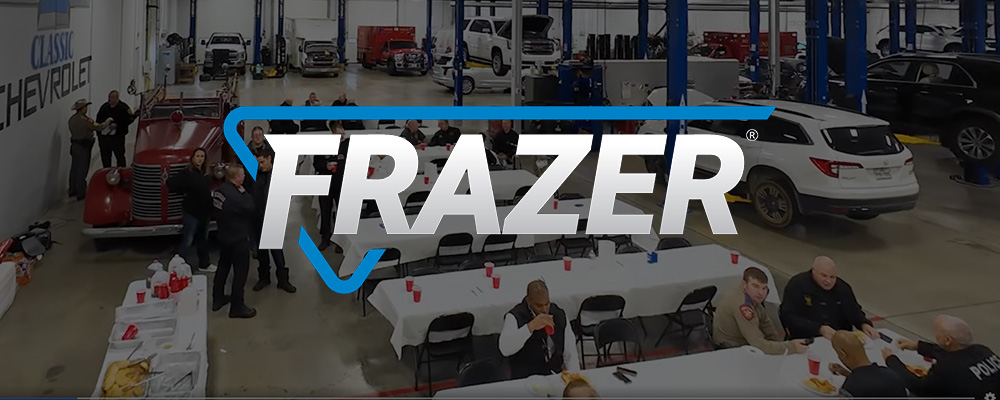
Frazer is proud to support the Denison Fire & Rescue Awards Banquet is an annual event dedicated to honoring the bravery, dedication, and achievements of local emergency personnel. The gathering brings together active firefighters, paramedics, command staff, and city officials to celebrate the department’s collective impact on community safety. A central focus of the evening is the presentation of individual accolades. These include prestigious honors like Firefighter of the Year, Officer of the Year, and specialized operational awards. Multi-year service milestones are also recognized, commemorating the long-term commitment of veteran members. Beyond active staff, the banquet serves as a bridge to the department’s history by welcoming retired personnel and remembering fallen heroes. This vital tradition strengthens camaraderie within the ranks, boosts department morale, and reinforces the vital bond between Denison Fire & Rescue and the citizens they protect.
Chills, Cheers, and Shared Purpose: How the Frazer Team Came Together for ALS Research

At Frazer, serving others is at the core of who we are. That commitment extends far beyond engineering reliable mobile healthcare vehicles. We embrace service in our workplace culture, our shared values, and our dedication to supporting meaningful causes in the community. When the ALS Ice Bucket Challenge gained momentum to raise awareness and research funding for amyotrophic lateral sclerosis (ALS), the Frazer team was eager to participate. Gathered outside our headquarters, team members joined together to turn a global movement into a moment of local action and workplace connection. Taking the challenge head-on, company leaders (including CEO Laura Griffin, executives, and department managers) volunteered to take the cold plunge. Seated in a row as colleagues prepared bright orange buckets filled with ice water overhead, the atmosphere was filled with laughter, encouragement, and a shared sense of purpose. In one synchronized moment, the ice water came pouring down, bringing plenty of chills, cheers, and memorable smiles. Beyond the icy splash, the event reflected Frazer’s human-centered culture and our core principle of being a “Family by Choice.” We believe that strong teams are built on trust, shared experiences, and a willingness to step up for one another—whether we are solving operational challenges on the shop floor or coming together to support critical health initiatives. Moments like the Ice Bucket Challenge highlight the heart behind Frazer’s mission. Just as we design mobile healthcare units to empower frontline crews across the nation, we remain dedicated to supporting causes that touch lives everywhere. We are proud of our team members who participated, showed their support, and demonstrated that when it comes to making a difference, Frazer is always ready to jump in.
Serving in Our Community: Frazer Earth Day 2023

At Frazer, our commitment to service goes beyond building reliable emergency vehicles and mobile healthcare units. It starts right in our own backyard with our people and our local neighborhood. For Earth Day 2023, the Frazer team gathered at our headquarters in Houston, Texas, for a day dedicated to community stewardship and environmental action. Team members from across the organization—including production specialists, engineers, and office staff—stepped out into the neighborhood to roll up their sleeves and work together. During the event, employees focused on cleaning up the streets and green spaces immediately surrounding our facility. Teams collected litter, cleared roadside debris, and practiced simple, effective pro-environmental habits aimed at keeping our local area clean and safe. This effort reflects Frazer’s human-centered culture and our belief that strong relationships begin at home. Just as we design mobile healthcare units to serve frontline crews and communities across the nation, we believe in taking care of the immediate community that supports our daily operations. Events like Earth Day 2023 highlight the power of teamwork outside the manufacturing facility. By spending time together in service of our neighborhood, our team put Frazer’s core values into practice—demonstrating pride in our surroundings, care for our neighbors, and a shared responsibility toward the environment. We are grateful to every employee who participated in making Earth Day 2023 a success. As Frazer continues to innovate and support mobile healthcare teams across the country, remaining dedicated to local impact and community care will always be part of how we operate.
Built for Two: AdventHealth’s New Dual-Load Ambulance
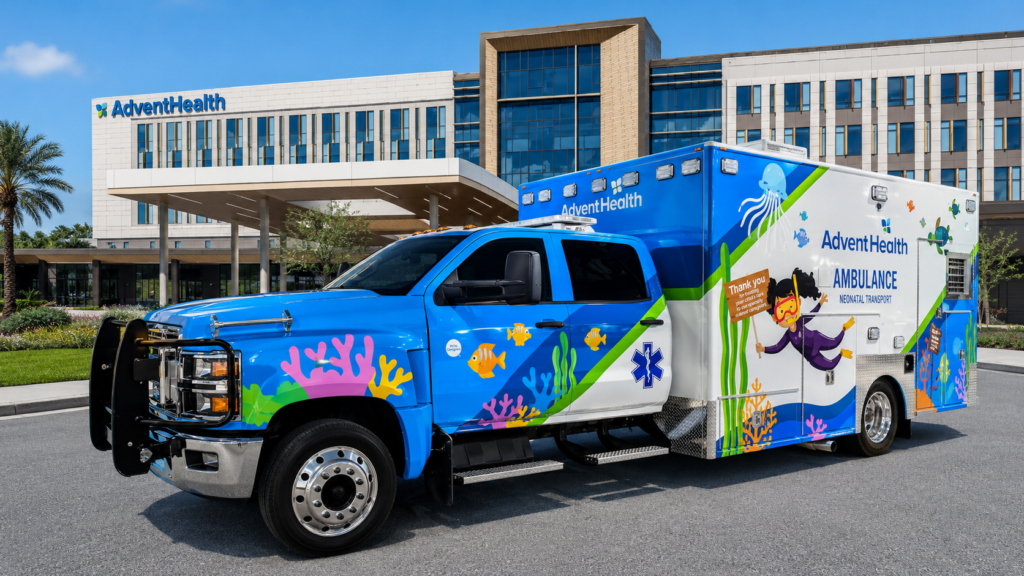
AdventHealth’s New Dual-Load Stretcher Ambulance Frazer recently completed a custom dual-load stretcher unit for AdventHealth’s West Florida Division, designed to give medical teams greater flexibility when transporting two patients. This dual-stretcher ambulance features a patient compartment planned around caregiver access, medical equipment, storage, seating, climate control, and two stretcher positions. Every element of this custom ambulance was designed to support an efficient workflow while keeping both patients accessible during transport. View this post on Instagram A post shared by Frazer, Ltd – Custom Ambulance Builder (@frazerbilt) View this post on Instagram A post shared by Frazer, Ltd – Custom Ambulance Builder (@frazerbilt) This dual-stretcher ambulance can help AdventHealth support coordinated transfers, specialty transports, or multi-patient incidents if needed. The finished ambulance reflects close collaboration between AdventHealth and Frazer, with a custom interior built around the needs of the care team. Any Questions?
The 2026 Ultimate Guide to Ambulance Total Cost of Ownership & Fleet Lifecycle Management
The 2026 Guide to Ambulance Total Cost of Ownership & Fleet Lifecycle Management Fire Chiefs, EMS Directors, and Fleet Managers often face a difficult operational challenge: emergency vehicles can spend substantial time in the shop. A seemingly minor electrical issue may leave a frontline unit at a dealership for weeks while the department waits for a proprietary part. During that time, mechanics may face added pressure, reserve fleets may carry more of the workload, and maintenance costs can increase. In a climate of supply chain delays and tightening municipal budgets, departments may benefit from considering whether EMS modules should be replaced every five to seven years. A broader evaluation can help leaders understand how vehicle design, serviceability, and lifecycle planning affect long-term costs. What is the total cost of ownership for an ambulance? The total cost of ownership (TCO) for an ambulance includes the initial purchase price plus the lifetime costs of maintenance, fuel, parts, and downtime. High maintenance costs and frequent fleet replacements can cause a lower initial bid to become more expensive over a ten-to-fifteen-year lifecycle. When evaluating a new vehicle purchase, procurement teams may focus heavily on the Capital Expenditure (CapEx), or the sticker price paid on day one. That price represents only one part of the financial picture. Operating Expenditures (OpEx) can also have a significant effect on department budgets over time. OpEx may include replacement parts, dealership labor rates, towing, and the cost of maintaining a larger reserve fleet to cover vehicles that experience frequent downtime. When a department presents a premium vehicle builder to its procurement committee, a common objection may be, “But this costs more upfront than the standard units we usually bid.” Higher-quality engineering and structural materials may require a larger initial investment. However, if a lower-cost truck spends 45 days a year in the shop, some of the apparent upfront savings may shift into the maintenance budget and place additional demands on fleet personnel. Procurement teams can use the Overall Cost of Ownership (LOCO) framework to compare more than the purchase price. A vehicle designed to reduce downtime and remain useful beyond the life of its initial chassis may support long-term savings. Customer-reported fleet maintenance cost reductions range from 42% to 60% when adopting the Frazer model. Investing in serviceable engineering at the time of purchase may also help departments reduce exposure to unpredictable repairs later in the vehicle’s lifecycle. Hidden Drivers of Fleet Budgets: How Lower-Priced Ambulances May Cost More Over Time To lower TCO, departments need to understand the factors that contribute to maintenance expenses. In many modern EMS vehicles, diagnostic complexity can be a significant contributor. Some traditional builders route their electrical systems through complex, computerized multiplex boards. When a multiplex system develops a fault, the symptoms may vary. Lights may flash unexpectedly, or the module may experience a loss of power. In-house fleet mechanics may also have difficulty diagnosing or repairing these systems without specialized tools. Proprietary software, potential firmware restrictions, dealer scheduling, dealership labor rates, and backordered components can add time and cost to the repair process. This design approach can contribute to dependency on outside service providers and longer periods of downtime. In a double-blind survey of 100 EMS professionals asking which brand spends the least amount of time in the shop, Frazer was rated at 39%, while the next closest competitor was rated at 7%. How can departments address ambulance electrical problems more quickly? When repair speed and serviceability are priorities, departments may want to compare multiplex systems with vehicles built using simple point-to-point wiring, standard relays, and common fuses. These components can allow in-house fleet mechanics to diagnose and repair some issues without waiting for proprietary, dealer-only parts. If an electrical system develops a problem at 2:00 AM on a Saturday, a vehicle that requires dealership diagnostics may remain out of service until qualified support becomes available. With Frazer’s point-to-point wiring, a mechanic can access the exterior electrical compartment directly, consult a clearly labeled diagram, trace the affected wire, and identify a fuse or relay that may need attention. Because Frazer uses standard, off-the-shelf components in many applications, mechanics can often purchase a replacement part from the local 24-hour auto parts store and return the vehicle to service more quickly, depending on the nature of the issue. How Chassis-Independent Power Can Help Reduce Time in the Shop A modern medical module functions much like a mobile treatment space and requires steady electricity for lights, monitors, suction, and air conditioning. When a truck engine and alternator also supply power to that equipment, the additional electrical load may contribute to wear on chassis components. Over time, departments may encounter alternator, battery, or engine-related service needs. If a chassis-powered system experiences an engine failure, the patient compartment may also lose power and climate control. To help combat this, Frazer uses independent power systems. The primary power source for a Frazer module is an independent 120-volt AC generator. A dedicated generator system uses a different maintenance approach than a modern diesel truck engine. Frazer also provides free training for service technicians on generator and electrical systems to support departments as they become familiar with the equipment. The operational benefits of this separation may include: The Remount Strategy: Separating Module Life from Chassis Life Many departments have historically treated the ambulance as a single unit. When a truck chassis reaches 150,000 miles or becomes too costly to maintain, the department may replace the full vehicle, including a medical module that may still have useful service life. This approach can require departments to seek funding for brand-new, $300,000+ vehicles every five to seven years. One strategy for managing a 2026 fleet budget is to evaluate the module and chassis as assets with different potential lifecycles. Because a Frazer module powers and cools itself independently, it is not as deeply integrated into the truck’s dashboard and engine wiring as some chassis-dependent designs. This separation is intended to support a more efficient remounting process. When a truck chassis reaches the
Chassis-Independent Power: How Generators Reduce EMS Downtime and Cost
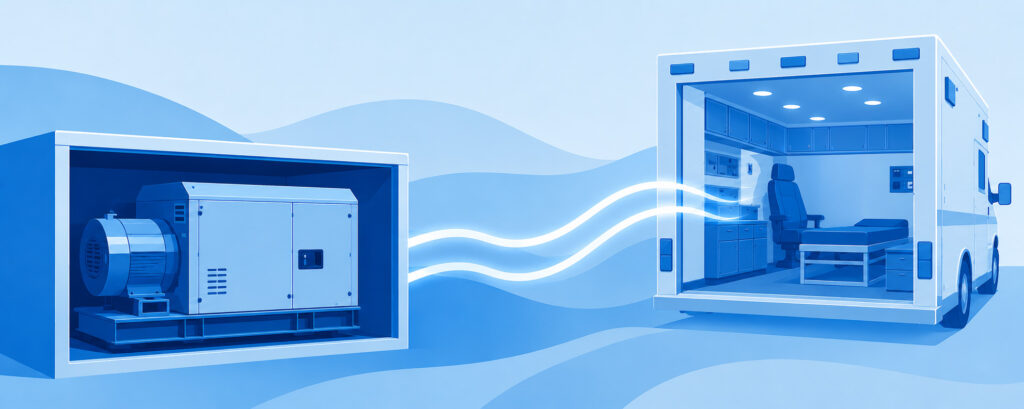
Chassis-Independent Power: How Generators Can Help Reduce EMS Downtime and Cost It is 2:00 PM in the middle of July when the tones drop for a critical call. Your frontline unit should be ready to respond, but an overworked chassis alternator has failed while supporting emergency lighting, medical equipment, and air conditioning. Traditional emergency vehicles can place significant electrical demand on the truck chassis and multiplex circuit boards. With tighter municipal budgets, rising call volumes, and longer waits for some proprietary or dealer-supplied parts, many departments are looking for practical ways to keep frontline units out of the maintenance bay. This guide explains how separating module power from the truck chassis can simplify electrical service, support air-conditioning performance at idle, and help control long-term fleet costs. Common EMS Electrical Challenges with Multiplex Systems When a fleet relies on chassis-dependent power, mechanics may spend a significant amount of time diagnosing electrical problems. Many modern emergency vehicles use multiplex systems, which are computer-controlled networks of circuit boards, nodes, and electronic components. Point-to-point wiring uses common relays, fuses, and physical wiring instead of relying heavily on complex circuit boards. Many of these components may be available through local suppliers, which can make certain electrical problems easier to trace and repair. A failed multiplex node may affect several systems at once, including interior lighting, suction, and climate control. Depending on the system, the mechanic may also need manufacturer-specific diagnostic equipment or a proprietary replacement component before the vehicle can return to service. Frazer takes a more straightforward approach. Our point-to-point wiring uses standard terminal strips to reduce diagnostic complexity. When a light stops working at 2:00 AM, a mechanic can trace a physical wire, inspect a standard fuse or relay, and begin working toward a repair without first have to decode a computer network. Generator vs. Inverter Ambulance Power: What Is the Difference? A generator-powered EMS vehicle uses an independent 120V AC generator to support module systems such as medical equipment, lighting, and HVAC. The generator removes much of the module’s heavy electrical demand from the chassis alternator and reduces its dependence on the truck’s electrical system. When developing your next procurement specification, it helps to understand how generator and inverter systems place different demands on the vehicle. An inverter converts power supplied by the truck’s batteries and alternator. Supporting medical equipment, communication systems, lighting, and air conditioning may require the chassis engine to run at high idle, increasing demand on the OEM electrical system. A voltage problem or alternator failure may then affect both medical equipment and patient-compartment climate control. A chassis-independent system works differently. It uses a dedicated generator, such as a Cummins Onan or MEPS system, as the primary source of module power, with a redundant 12V DC system as backup. This architecture allows many module functions to operate separately from the truck’s electrical system. Fleets evaluating chassis-independent power can consider how that separation may support operations while the vehicle is moving or parked on a hot scene. Addressing Patient-Compartment Heat with 120V HVAC Medics need a dependable, climate-controlled environment to care for patients and recover between demanding calls. Chassis-driven air-conditioning systems may struggle during extreme summer heat, especially when a vehicle idles on scene for an extended period. Because Frazer modules can use independent 120V generator power, they can be equipped with a self-contained air-conditioning system comparable to a one-ton residential unit. The system is engineered to maintain up to a 35°F temperature difference from outside conditions, helping support a cooler patient compartment without relying entirely on the truck’s electrical system. The independent design can also make certain HVAC repairs more manageable. On some traditional vehicles, mechanics may need to access air-conditioning components behind the dashboard or inside the engine compartment, which can increase repair time and vehicle downtime. Frazer’s self-contained 120V HVAC unit is mounted on the exterior side of the module. When major service is needed, a mechanic can slide out the complete unit and replace it in under one hour. This modular approach is designed to simplify service and help departments return vehicles to operation sooner. Have a question for the team? Ask a Question Will a Generator Add to My Maintenance Schedule? Fleet managers often raise a fair concern when considering chassis-independent power: “A separate generator is just another engine I have to maintain.” While a generator does require routine oil changes and preventive maintenance, the more useful question is how that scheduled maintenance compares with the cost and disruption of chassis-related repairs. Routine service on an accessible generator may be easier to plan and complete than replacing a failed chassis alternator or addressing major engine wear. By carrying the module’s heavy 120V AC load, the generator can also reduce the need for the truck engine to run continuously at high idle. This strategy shifts part of the vehicle’s maintenance workload toward planned generator service. It may also reduce exposure to certain chassis electrical problems while helping protect one of the fleet’s largest capital investments. How Chassis-Independent Power Can Support a Lower Cost of Ownership Removing heavy module loads from the truck’s electrical system can reduce demand on chassis components and may limit some forms of premature wear. The ability to remount a Frazer module onto a new chassis can also extend the module’s useful life and support a more flexible long-term replacement strategy. For EMS chiefs, finance directors, and municipal budget committees, the purchase price is only one part of the decision. Rental units, major repairs, downtime, and early vehicle replacement can all affect the fleet’s operating budget. Frazer designs its vehicles with these long-term ownership costs in mind. For a broader framework on evaluating lifetime fleet costs, read our 2026 Guide to Ambulance Total Cost of Ownership & Fleet Lifecycle Management. In customer surveys, some fleets reported maintenance cost reductions ranging from 42% to 60% after moving to Frazer units. Customers commonly connected those reported results to two areas: reduced demand on the truck chassis and the ability to remount the module. Because
Ambulance Remount Cost vs. Buying New: The Financial Math for EMS Leaders
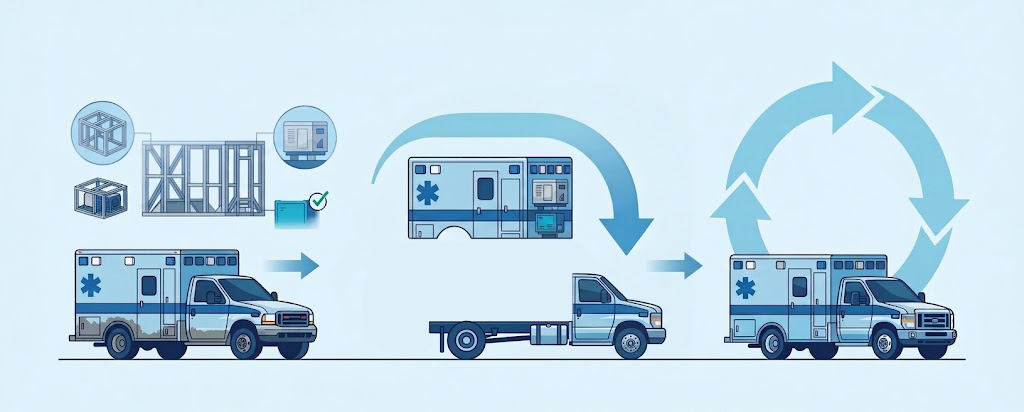
Ambulance Remount Cost vs. Buying New: The Financial Math for EMS Leaders An all-aluminum module with an independent power system may help a department lower its overall cost of ownership, simplify future remounts, and reduce some long-term maintenance demands. It may also give fleet leaders more options when chassis availability and production schedules extend across multiple budget years. As vehicle prices rise and lead times grow, Fire Chiefs, EMS Directors, fleet managers, and financial leaders are taking a closer look at remounting. They still need reliable vehicles in service, but they also need a plan that works within real capital and operating budgets. That often leads elected officials and city managers to ask a simple question: “Can we remount the old box?” The answer depends on more than age or appearance. A lower-cost remount may not provide long-term value if the existing module has structural damage, aging materials, or an electrical system that is difficult to integrate and maintain. A sound decision starts with financial and mechanical data. Fleet leaders should evaluate the condition of the module, its original construction, its service history, and the cost of keeping it in operation over the next 15 to 20 years. How Much Money Can an Ambulance Remount Save? A single remount may reduce upfront capital costs by 30% to 50% compared with purchasing a complete new unit. The potential value may extend further when the module was designed from the beginning to serve through multiple chassis lifecycles. A module built for repeated remounts can help reduce lifecycle ownership costs over 15 to 20 years. In this type of plan, remounting becomes part of a long-term fleet strategy instead of a temporary solution used only while waiting for another vehicle. Some departments use remounts to bridge a gap in their replacement schedule. That can be useful, but extending the life of a module that was not designed for additional service cycles may offer limited value. Structural repairs, electrical work, and ongoing downtime can offset part of the initial savings. The bigger question is how the department approaches fleet replacement as a whole. When leaders look beyond one purchase order and evaluate the lifecycle cost of a custom EMS vehicle, the financial picture changes. Planning for future remounts during the original build can make replacement cycles more predictable. It can also give Fire Chiefs and EMS leaders a clearer, more structured capital plan to present to city managers, boards, and elected officials. Can Any Ambulance Module Be Remounted? Not every module is a good candidate for remounting. The decision should be based on its structural condition, construction materials, service history, electrical system, and compatibility with the replacement chassis. Modules with strong structural construction are generally better suited for additional lifecycles. Frazer modules use wood-free, 6061 T-6 structural aluminum tubing and crash-tested mounting systems designed to support continued service through chassis changes. Frazer also provides a lifetime module construction warranty for the original owner, subject to the applicable warranty terms and exclusions. Modules built with wood or composite cores may change as they age. Wood may rot, composite materials may fatigue, and years of demanding service may affect the module’s overall condition. These factors do not automatically rule out a remount, but they should be evaluated before a department commits additional capital. A module intended for a second or third chassis lifecycle needs a durable foundation. Frazer’s structural aluminum construction, crash-tested cabinetry, and module-to-chassis mounting systems are designed with that goal in mind. Any remount decision should still include an inspection of the module’s current condition. Why Mechanics Might Prefer Point-to-Point Wiring on Remounts? Electrical integration is one of the most important parts of a remount. Aging multiplex boards can be difficult to connect to the electrical system of a newer chassis, especially when proprietary software or dealer support is needed to diagnose problems. Fleet managers and maintenance supervisors may be concerned that a remounted vehicle will return with electrical issues their technicians cannot easily troubleshoot. When a module depends heavily on the chassis engine, chassis computer, and proprietary circuit boards, a remount may require more integration work and create additional opportunities for service delays. Dealer-specific diagnostic tools can also make routine repairs harder to handle in-house. A department may have to schedule outside service for an issue that would otherwise be simple to identify and repair. Have a question for the team? Ask a Question A Cleaner Swap with Independent Power and Point-to-Point Wiring Frazer uses point-to-point wiring instead of multiplex boards. The electrical system uses common relays, fuses, terminal strips, and clearly routed circuits. This approach is designed to make many electrical components easier to understand, inspect, and service. If a suction pump loses power or a dome light stops working, an in-house mechanic may be able to trace the circuit with a standard multimeter. This can reduce reliance on proprietary diagnostic software and regional dealers for many routine electrical issues. Frazer’s design also uses an independent 120V AC generator as the primary power source, supported by a redundant 12V DC backup. Because the module produces its own power, it has less dependence on the replacement chassis computer. During a remount, that separation can support a cleaner and more straightforward chassis swap. Reducing the interaction between the module and chassis electrical systems may also lower the risk of integration problems and extended downtime. How Reduced Engine Idling May Lower Operating Costs When leaders calculate remount costs, they may focus first on the capital expense required to acquire the vehicle. Fuel, repairs, maintenance, and downtime also affect the department’s budget and should be included in the comparison. A remount does not automatically solve ongoing chassis maintenance concerns. With a traditional power system, crews may still need to leave the chassis engine running at high idle to cool the patient compartment and power onboard equipment while the vehicle is on scene. Extended high-idle operation may contribute to diesel particulate filter buildup and additional wear on emissions-system components. Over time, that can lead to more
The 1-Million-Mile Ambulance: How to Extend EMS Module Lifecycles to 20+ Years

The 1-Million-Mile EMS Module: How to Plan for 20+ Years of Service Rising vehicle costs and long factory lead times are putting more pressure on Fire Chiefs, EMS Directors, and municipal budgets. New emergency vehicle purchases can range from $250,000 to more than $350,000, while some departments may wait 18 to 24 months for a completed unit. These challenges make the traditional replacement cycle harder to maintain. Replacing an entire mobile healthcare unit every 5 to 7 years may no longer be the best use of limited capital, especially when the patient compartment remains structurally sound. As a result, more fleet leaders are looking at ways to use one EMS module across several chassis lifecycles. This guide explains how module construction, electrical design, power systems, and serviceability can support 20 or more years of use and up to 1,000,000 miles of active service. Why the Traditional 7-Year Replacement Cycle May Not Fit Every Fleet For many years, departments followed a simple plan. They purchased a complete emergency vehicle, operated it for about 100,000 miles or 5 to 7 years, traded it in, and purchased a replacement. That model has become more difficult because vehicle prices have increased, production timelines have grown longer, and chassis engines often wear faster than the patient-care module. Heavy idling can add significant engine hours because the chassis may need to power medical equipment, lighting, and air conditioning while parked on scene. When the engine reaches the end of its useful life before the module, retiring the entire unit may not be the best use of department funds. A planned multi-cycle remounting strategy allows a department to separate the service life of the chassis from the service life of the patient compartment. This approach can help departments direct capital toward the equipment and operational needs that matter most. For a broader look at procurement and lifecycle planning, read The 2026 Guide to Ambulance Total Cost of Ownership & Fleet Lifecycle Management. How Can an EMS Module Support 20 Years and 1 Million Miles? Long service life starts with a module that is built for durability and future service. A 100% wood-free 6061 T-6 structural aluminum frame, combined with point-to-point electrical architecture, is designed to support repeated chassis remounts and straightforward maintenance. Removing wood from the structural framework also helps reduce the risk of moisture-related deterioration that may weaken the module over time. Pillar 1: 100% Wood-Free 6061 T-6 Structural Aluminum Framing Some emergency vehicle bodies use wood backing or composite materials behind wall panels and cabinetry. Over time, humidity, washdowns, and fluid intrusion may reach these hidden materials. Because wood absorbs moisture, it may deteriorate and contribute to wall movement, loose cabinet joints, or reduced structural strength. This damage may remain hidden until the module is inspected or removed from its chassis. If the underlying structure has weakened, the module may not be able to handle the stress of being lifted, detached, and installed on another chassis. A wood-free module uses welded, heat-treated structural aluminum for the frame and cabinet substructure. Aluminum does not rot when exposed to moisture, which can help the walls and cabinets remain stable throughout the module’s service life. This construction is designed to reduce the risk of hidden framing damage and support future chassis transfers. Depending on the module’s condition, maintenance history, inspection results, and configuration, it may be suitable for a second, third, or even fourth chassis. An EMS module often experiences years of vibration and twisting forces during active response. Cabinetry that depends on surface fasteners or lightweight brackets may loosen over time. In Frazer units, flush-mounted aluminum cabinetry can be connected directly to the structural wall tubing. This helps the cabinets become part of the module structure while maintaining an open, practical workspace for medics. Third-party static-load and crash testing can provide additional information about how these designs respond to forces from several directions. Pillar 2: Simplified Electrical Systems Electrical compatibility is one of the most important questions to consider before a chassis remount. Some emergency vehicles use multiplex systems with computerized circuit boards, solid-state nodes, proprietary controllers, and specialized software. Problems may arise when an older multiplex module is removed from one chassis and connected to a newer model. New chassis CAN-bus signals may not work well with older programming. Circuit boards exposed to years of vibration and temperature changes may also develop cracks or intermittent connections. Replacement nodes may be backordered or no longer supported by the original electronics manufacturer. Technicians may also need proprietary software or a factory programmer to diagnose problems, which can add time and complexity to a repair. Point-to-Point Wiring: Troubleshooting with Fuses and Relays Point-to-point wiring offers a simpler approach. It routes power through automotive relays, fuses, switches, and heavy-duty terminal strips instead of depending on multiplex boards and proprietary electronic controls. Frazer places the main electrical connections inside an accessible exterior compartment with visual LED monitoring diodes. This allows technicians to inspect circuits without taking apart large sections of the unit. For example, if a compartment light or outlet stops working, a mechanic can open the electrical compartment, check the monitoring diodes, identify the affected circuit, and replace a standard automotive fuse when appropriate. This design allows many routine electrical repairs to be completed with standard parts and familiar tools. In-house technicians may not need dealer programming equipment or proprietary factory software for common issues. The same architecture can also make a chassis transfer more straightforward because the module’s electrical system is less dependent on older electronic controllers. Frazer backs its point-to-point wiring with a 5-year electrical wiring warranty. Customers also have access to direct factory technical support and training, including free hands-on mechanic training at Frazer facilities. All warranty coverage is subject to the applicable written terms, conditions, limitations, and exclusions. Pillar 3: Independent Module Power An independent power system operates the module’s HVAC and medical equipment separately from the truck engine. This design can reduce the need for high-idle chassis operation and help limit engine wear caused