
Frazer Throwback : Featuring a Hilton Head Island Fire & Rescue Frazer unit
Showcasing a treasure from the Frazer Throwback vault! Check out this beautiful throwback view with this Frazer EMS vehicle for the Town of Hilton Head Island Fire & Rescue!
Are you prepared to battle the summer heat? Meet Frazer Air Conditioning.
Summer is here! Don’t sweat it, use a Frazer Air Conditioner. Frazer’s exclusive, self-contained 120V HVAC system provides a comfortable, cool environment for your patient care needs. Watch Laura discuss our ice cold air conditioning that has been a hallmark of Frazer products since our first day in the industry.
Frazer Throwback : Revisiting the early days of Frazer custom emergency vehicles
A Frazer Throwback closeup with a Ford unit from our archives. A black and white portrait from the past with this week’s Frazer Throwback. Browse our Frazer History Page to see how different our custom emergency vehicles look today!
New York Presbyterian Hospital becomes first in the nation with 3 Mobile Stroke Units
Advanced stroke care in NYC with 3 Frazer mobile stroke units! We’re excited to see how advancements in stroke care – with mobile stroke unit technology – have spread all across the country since the first U.S. mobile stroke unit left Frazer’s shop in 2014. Early stroke diagnosis and treatment is critical when every second counts. Find out more about New York Presbyterian Hospital’s efforts in advancing stroke care, and view our Mobile Stroke Unit page on the Frazer website to learn more about this difference-making unit!
Purchasing Emergency Medical Service Vehicles
EMS vehicles are significantly more complicated than comparable vans and trucks because of the extensive array of medical equipment and cooling systems installed in these emergency service vehicles. Working with a reputable emergency medical service vehicle dealer like Frazer ensures that your EMS vehicles are up to the challenge of providing reliable service and are mechanically sound. There are a few important factors to consider when buying emergency medical service vehicles or working with a used ambulance dealer on behalf of your organization or facility. Determine the Type of Emergency Medical Service Vehicle Needed Frazer’s EMS Vehicles typically fall into five basic categories: Type I models separate the driver’s cab from the medic unit and do not allow personnel to pass easily between the two sections of the vehicle. These emergency service vehicles are built on the chassis of a truck with LiquidSpring suspensions. Type III models are similar to Type I custom EMS vehicles but are built on a van chassis.. First Responder or UCV vehicles are highly configurable with abundant storage and tons of layout possibilities. First Responder vehicles are also designed to bring even more equipment and personnel to a scene. Mobile Stroke Units are built with LiquidSpring suspension systems and automatic leveling systems enabling consistent operations on uneven roads. Remountable. Mobile Health Clinics are built on a platform with massive configurability. These can function as clinics, immunization vehicles, evaluation vehicles blood draw and more. Opt for Refurbished Models from a Reputable Used Ambulance Dealer Whether you need a used ambulance for use as a mobile health clinic or an emergency response vehicle, refurbished EMS vehicles can provide real cost savings while ensuring practical solutions for agencies responsible for supplying these medical response services. By looking for pre-owned ambulances that have been upgraded and renovated, you can often acquire a good working vehicle at a fraction of the cost of new EMS vehicles. Choose a Quality Brand like Frazer The reliability and durability of Frazer’s inventory of used ambulances can help you make cost-effective and practical choices for your municipality, agency or other organization. Identifying any common mechanical issues or chassis concerns is taken care of by Frazer before the units are ever posted on site. At Frazer, we offer new emergency medical service vehicles (EMS) and used ambulances for a wide range of applications. If you need a remount for your renovated vehicle, we can provide you with the options necessary to serve patients throughout your area in practical and cost-effective ways. To learn more about our entire range of emergency medical service vehicles, mobile healthcare vehicles, mobile stroke units and used ambulances, give us a call today at 1-888-372-9371. Our sales staff and remount technicians are here to serve you.
Giving thanks on this International Firefighters Day!
Celebrate International Firefighters Day by giving thanks. Sending our support and appreciation to our firefighters for their bravery and sacrifices made in serving our communities. Happy International Firefighters Day!
Frazer Throwback : Face to Face with a Frazer Unit
Say cheese for this week’s Frazer Throwback. This was a familiar sight in your rear view mirror if your area was running Frazer units in the mid 1980s. The light and siren options look a bit different today, so contact us to find out how to better customize your Frazer unit!
Frazer Throwback : The Prototype that began the custom emergency vehicle journey!
Meet the game changing prototype unit for Houston Fire Department. This week’s Frazer Throwback is a favorite from the archives in 1982. This custom emergency vehicle prototype marked a new path in Frazer’s history – both with Houston Fire Department and for the EMS industry. Visit our Frazer History Page to revisit the story of this prototype!
Frazer Custom Emergency Vehicles with The Customer In Mind
Custom Choices with Your Frazer Custom Emergency Vehicle With our Frazer units, we want you on the road with the custom unit for your operations. Our Frazer units are safe and customizable for your needs. Contact us about your options for seating, lights, storage and so much more! Take a look at our Customer Deliveries page to browse the gallery of our customer’s units inside and out!
Bring Your Resume to Our Frazer Job Fair!
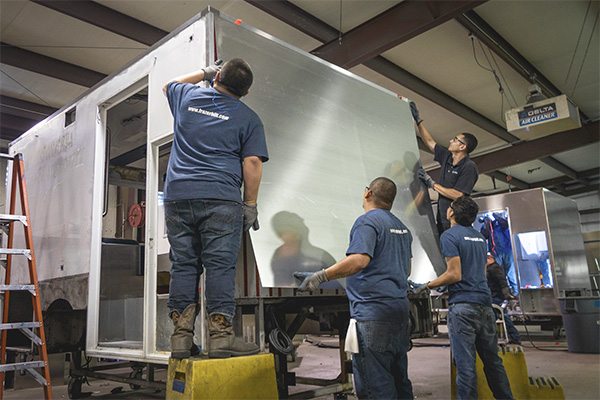
Be part of a dedicated team! Apply Online Meet several Frazer team members in person and learn about our company history and the culture surrounding your favorite emergency vehicle builder in Texas! Come by and see our facilities and experience what being a part of the Frazer family is all about. Friday, April 20th 8:00 am – 1:00 pm 7227 Rampart Street Houston, TX 77081 Directions to the Frazer Factory Please bring your resume and your enthusiasm!
Stress Awareness Month
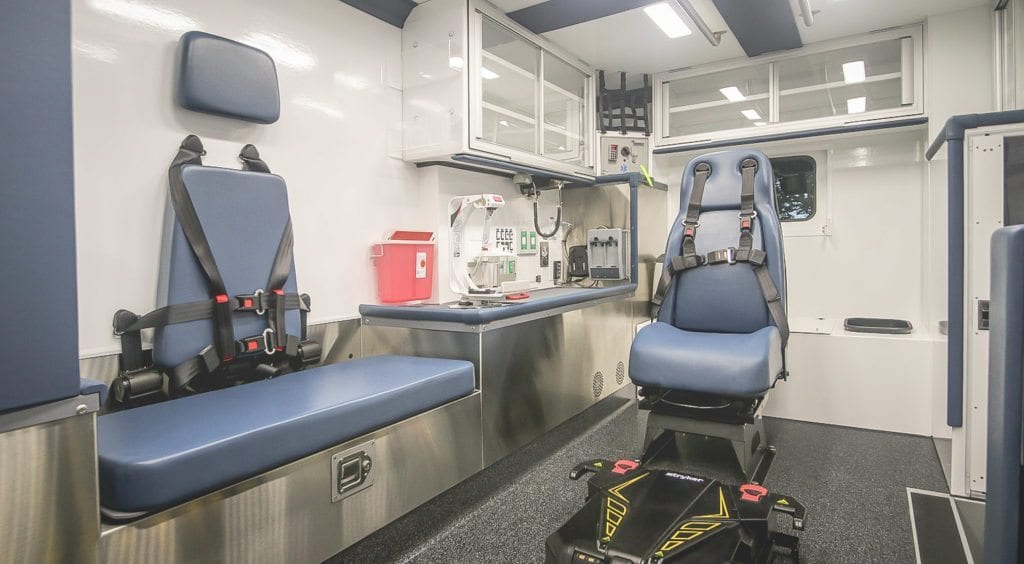
Did you know that April is Stress Awareness Month? Stress Awareness Month has been held every April, since 1992. During this annual thirty day period, health care professionals and health promotion experts across the country will join forces to increase public awareness about both the causes and cures for our modern stress epidemic. Sponsored by The Health Resource Network (HRN), a non-profit health education organization, Stress Awareness Month is a national, cooperative effort to inform people about the dangers of stress, successful coping strategies, and harmful misconceptions about stress that are prevalent in our society. Read More…
Frazer Throwback – Revisiting the 1980s with this Houston Fire Department emergency vehicle
Looking back this Frazer Throwback Thursday in the 1980s : The HFD emergency vehicle We look at this and can’t help but be thankful for our city’s local EMS, but also see the evolution of the Frazer emergency vehicle. Thanks to Houston Fire Department for the long, fruitful partnership we’ve shared over many decades! Visit the Frazer History page on our website to see how our custom emergency vehicles have changed over the years!