Maximizing the Golden Hour: Why AHA Mobile Stroke Unit Guidelines Matter
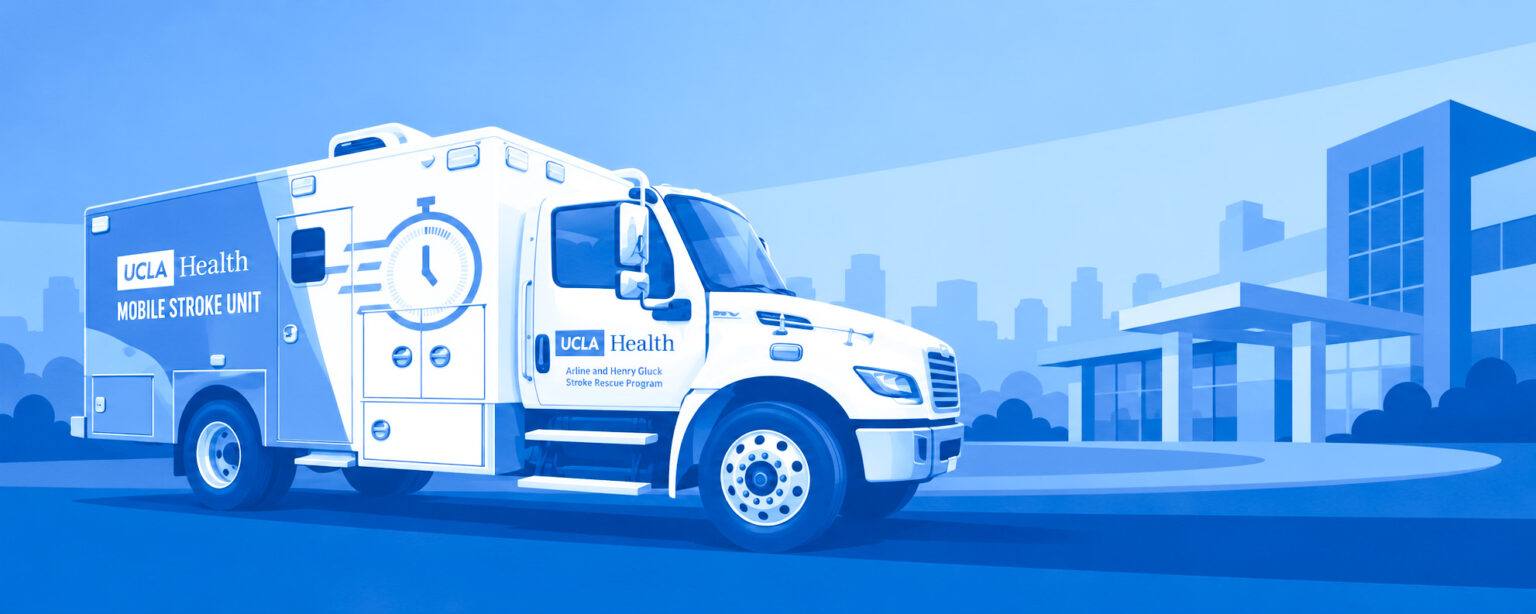
A Mobile Stroke Unit (MSU) is a specialized mobile healthcare unit equipped with technology such as a portable CT scanner, telemedicine capabilities, and medications used to treat eligible stroke patients. AHA guidance addressing mobile stroke care reflects the growing role MSUs can play in evaluating and treating stroke before a patient reaches the hospital.
With the right clinical team and equipment on board, an MSU can help diagnose acute ischemic stroke and begin treatment at or near the patient’s location. By bringing diagnostic and treatment capabilities into the field, MSU programs are designed to reduce onset-to-needle time. Research cited in this article has shown reductions of up to 41 minutes, giving clinical teams more time to act when every minute matters.
In acute ischemic stroke care, time can have serious clinical consequences. Research estimates that every minute treatment is delayed is associated with the loss of approximately 1.9 million neurons. For decades, emergency response has focused on getting patients to the hospital quickly and reducing the “door-to-needle” interval. Traffic, triage, imaging, and other steps at the emergency department (ED), however, can add time before treatment begins.
Today, some stroke program directors and neurology teams are looking beyond “door-to-needle” time. Their focus is increasingly on “onset-to-needle” time and how certain emergency department capabilities can be brought closer to the patient.
Clinical research has helped establish mobile stroke programs as an evidence-supported approach to prehospital stroke care. Turning that clinical model into a working vehicle presents another challenge. It requires thoughtful mechanical and electrical engineering built around the needs of the clinical team. This guide looks at the clinical case for Mobile Stroke Units and several important design considerations for supporting stroke care in the field.
The Clinical Reality: Redefining “Onset-to-Needle” Time
A key goal in acute ischemic stroke care is to administer thrombolytic treatment, such as tissue plasminogen activator (tPA), to eligible patients as quickly as clinically appropriate. The “golden hour” refers to the critical first 60 minutes after symptoms begin. Historically, traditional emergency medical services (EMS) models have struggled to deliver treatment within this window, with fewer than 5% of patients receiving treatment during that first hour.
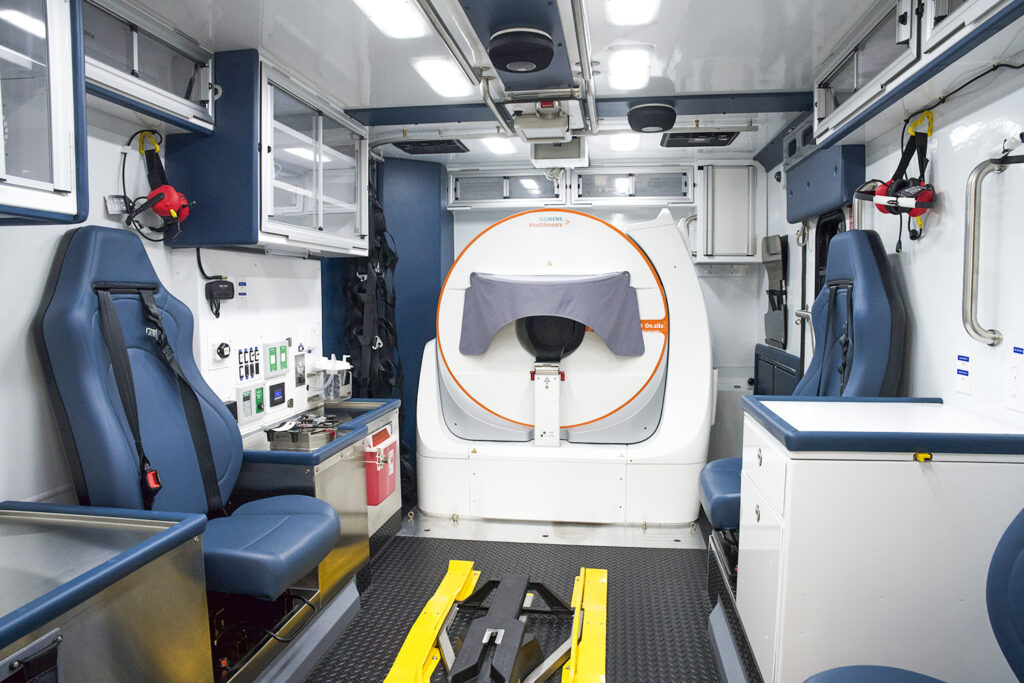
An MSU brings key capabilities closer to the patient. A specialized team can perform a CT scan and consult with a neurologist before the patient reaches the hospital. According to scoping reviews of MSU effectiveness, this approach can reduce median onset-to-needle times by 20 to 41 minutes. Some programs have also reported that up to 33% of their MSU patients receive treatment within the first 60 minutes.
Research has also associated faster treatment through mobile stroke programs with improved 90-day modified Rankin Scale (mRS) outcomes. Available data suggests that patients treated sooner through these programs may be more likely to experience minimal to no long-term disability.
Bringing the ED to the Driveway: AHA Guidance and Mobile Stroke Care
Starting a mobile stroke program is a significant investment. Hospital boards and leadership teams need strong clinical evidence before committing the people, equipment, and resources required to make a program successful. A growing body of clinical research and professional guidance now supports consideration of MSUs as part of prehospital stroke systems of care.
AHA guidance addressing Mobile Stroke Units reflects the growing clinical evidence surrounding prehospital stroke diagnosis and treatment. Instead of serving only as transportation, an MSU can provide a specialized mobile healthcare environment for imaging, neurological consultation, and treatment before hospital arrival.
Frazer has been involved in Mobile Stroke Unit development since the early years of deployment in the United States. Frazer built the nation’s first Mobile Stroke Unit in 2014 and five of the first seven MSUs deployed in the country. The clinical mission defines what the team needs to accomplish. Our job is to engineer a mobile environment that supports that mission in day-to-day field operations.
Powering the Mission: Supporting the CT Scanner
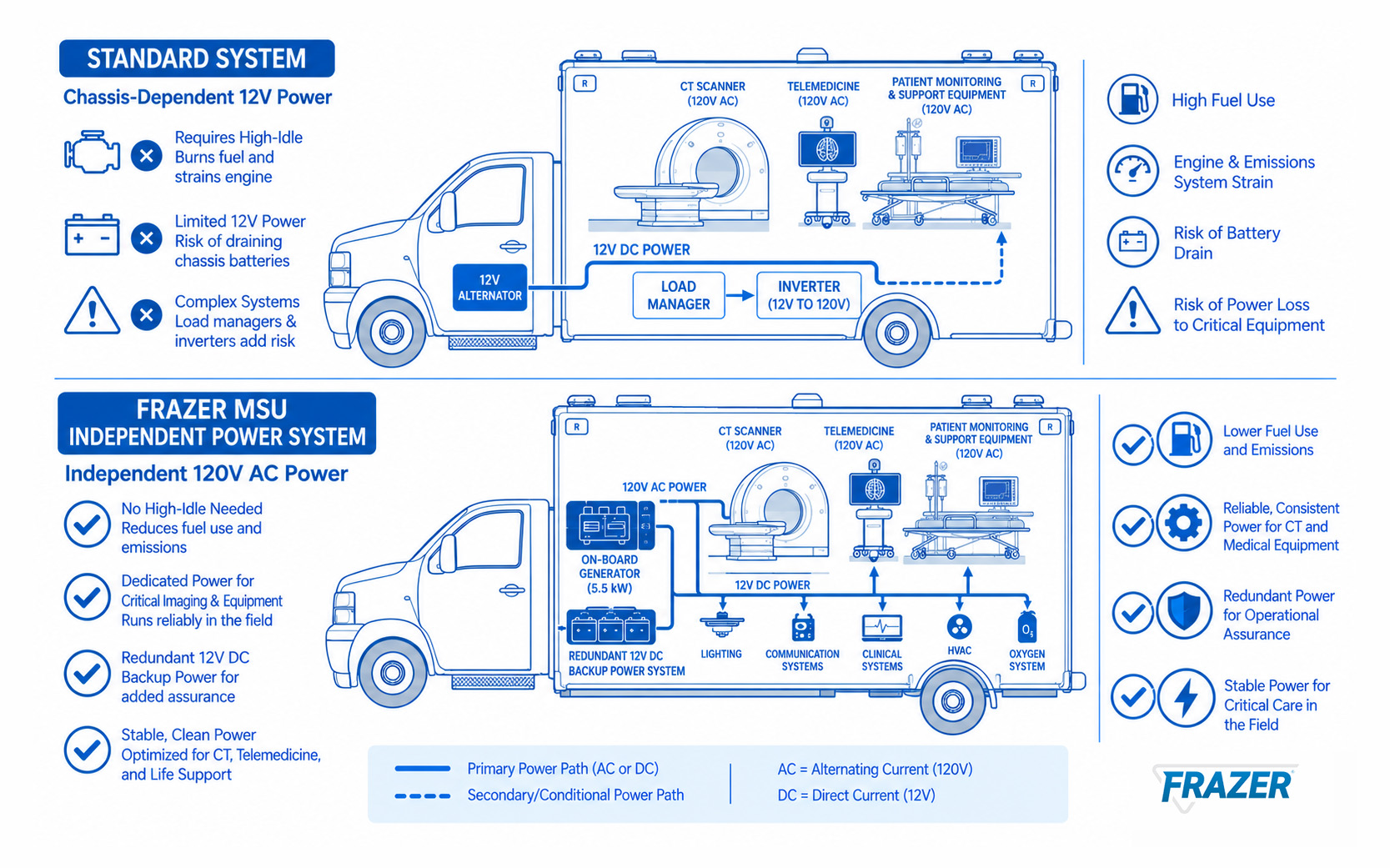
Electrical power is an important consideration for fleet managers, mechanics, and clinical teams evaluating an MSU. A 32-slice SOMATOM On.site portable CT scanner, combined with a 5G telemedicine array and standard medical equipment, can require a substantial amount of clean, consistent electricity.
How Does a Mobile Stroke Unit Power a CT Scanner?
Using a standard truck alternator as the primary power source for advanced medical imaging can put additional demand on the chassis electrical system. Frazer uses an independent 120V AC generator as the primary power source for the module. This configuration provides dedicated power for equipment such as the SOMATOM On.site CT scanner and telemedicine system while reducing reliance on the chassis batteries.
In the field, this independent power architecture is designed to reduce the risk of voltage drops affecting medical equipment. When an MSU depends only on the chassis electrical system, changes in voltage while idling may affect CT scanner operation. Separating module power from the truck’s primary electrical system provides a dedicated source for medical equipment during field operations. Frazer also incorporates a 12V DC backup system to provide another layer of electrical redundancy if the primary generator has an issue.
Protecting the Payload: Climate Control and Structural Safety
Putting sensitive, heavy medical equipment inside a moving vehicle creates unique engineering and operational challenges. Two important considerations are how that equipment is secured and how the clinical environment is maintained.
Is the CT Scanner Secured for Emergency Vehicle Operation?
A CT scanner weighing approximately 1,000 pounds needs a mounting system engineered for the forces that can occur during vehicle operation and a collision. Frazer’s CT scanner mounting system is tested for compliance with SAE J3043. The standard requires the system to withstand forces associated with a 26 G collision, and Frazer’s mount was successfully tested with more than 50,000 pounds of force.
This testing gives hospitals and clinical teams documented information about the performance of the mounting system. Frazer designs the structural frame specifically to secure the scanner and help reduce hazards associated with heavy equipment moving during a collision. Furthermore, Frazer’s fixed mounting enables reliable CT image acquisition even on vehicle inclines of up to 5°, ensuring the SOMATOM On.site can capture high-quality images in the field.
How Do Mobile Stroke Units Support Temperature-Sensitive Medications?
Keeping a mobile clinical space cool can be challenging, especially when a vehicle is sitting on hot pavement. Frazer uses a self-contained, independent 120V AC air conditioner designed to maintain a stable environment (a minimum cooling differential of 25 to 30 degrees). The system is designed to support the environmental needs of sensitive electronics, clinical operations, and temperature-sensitive medications.
For the crew and patient, that means a more controlled working environment. It also helps support delicate internal electronics like the CT scanner and medications such as tPA. Because the HVAC system operates independently from the chassis, its operation does not depend directly on truck-engine RPM.
Beyond the Build: Supporting Your Mobile Stroke Program
Launching an MSU program is a major undertaking for a hospital system, and building the vehicle is only one part of it. Long-term maintenance also matters, especially for hospitals that may not have the same fleet resources as organizations focused primarily on vehicle operations. Downtime and maintenance costs can affect both program availability and Lowest Overall Cost of Ownership (LOCO).
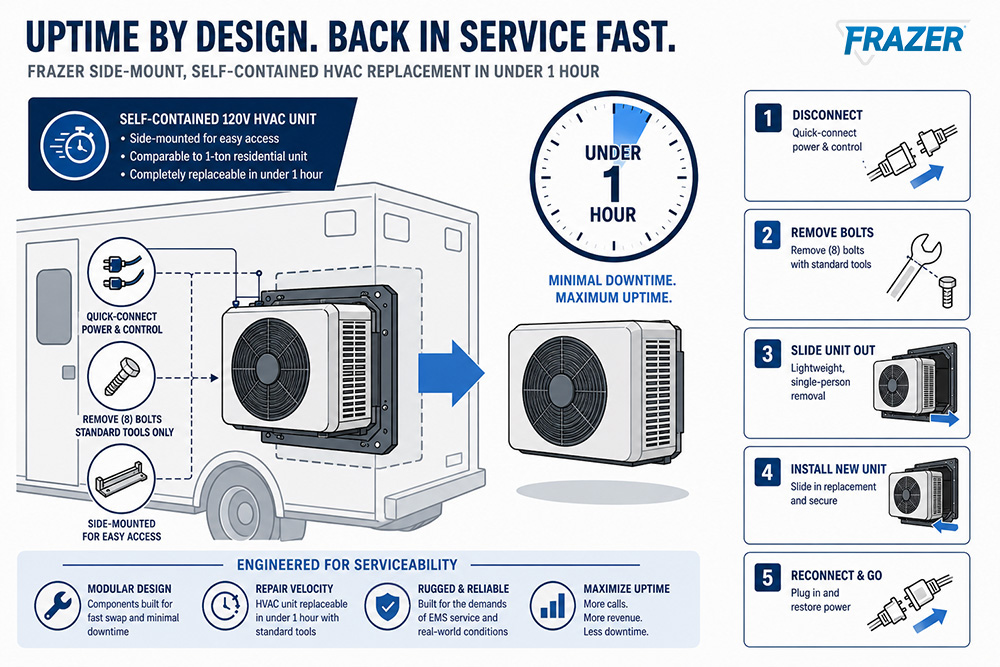
Frazer’s engineering philosophy emphasizes simplicity and serviceability. We use point-to-point wiring, common relays, and accessible exterior electrical compartments instead of relying heavily on complex multiplex electrical boards. The goal is straightforward: make it easier for mechanics and local service centers to troubleshoot many components without depending on proprietary software or dealer-specific parts. For example, our self-contained AC system is designed so it can be replaced in under 1 hour.
Support also continues after delivery. Through the Frazer Family Experience, customers have access to factory-level support from people familiar with the design and construction of their vehicles. Our team can serve as a resource from early planning and grant-approval stages through go-live and ongoing operations. The goal is not simply to deliver an MSU. It is to help customers keep it working for the people who depend on it.
Ready to Bring Mobile Stroke Care to Your Community?
AHA guidance and a growing body of clinical research support the role Mobile Stroke Units can play in prehospital stroke care. Turning that clinical model into a working program also requires thoughtful vehicle engineering, safety-focused design, and close integration with the clinical mission.
Contact Frazer’s Mobile Healthcare team to discuss independent power systems, SAE J3043-tested CT scanner integration, and custom floor plans designed around the needs of your clinical team. Together, we can explore what it takes to make effective use of the golden hour in your community.
How does a Mobile Stroke Unit power a CT scanner?
A CT scanner requires a reliable power source to operate in a mobile environment. Frazer Mobile Stroke Units can be designed with an independent power system to support specialized medical equipment without relying solely on the vehicle’s chassis electrical system. The exact power configuration depends on the CT scanner and the requirements of the Mobile Stroke Unit.