We’re Expanding Into the Upper Midwest!
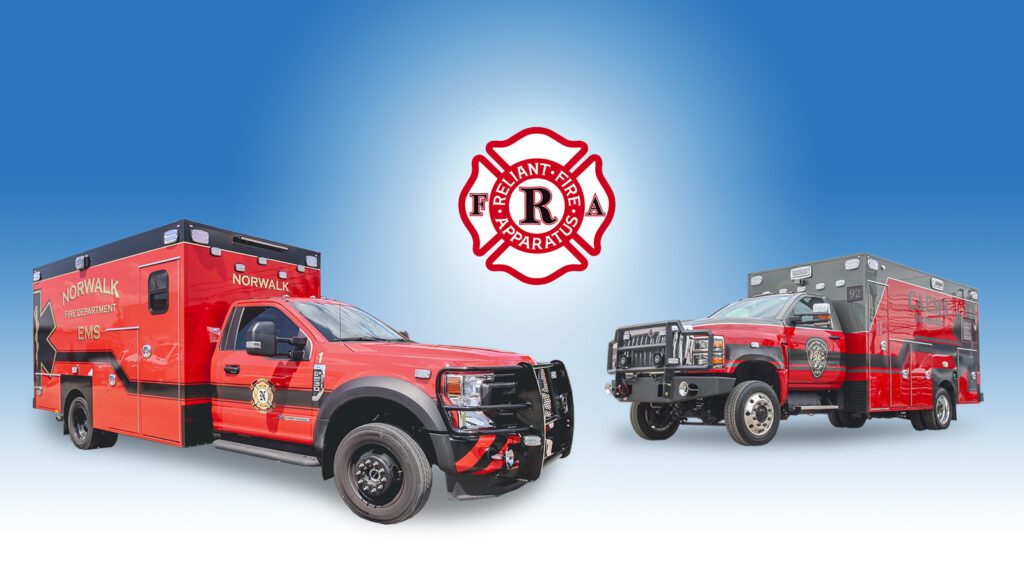
As one of the premier Emergency Vehicle Builders in the industry, Frazer is thrilled to announce our new partnership with Reliant Fire Apparatus. We are excited to work together to provide quality emergency vehicles to our customers in the Upper Midwest! At Frazer, we are committed to designing and building excellent emergency vehicles. Our innovative designs, high-quality craftsmanship, and exceptional customer service have made us a trusted name in the industry. With this partnership, we aim to expand our reach and provide even more customers with our modern solutions. Through this partnership, we will offer a wide range of vehicles, including Type I & Type III Emergency Vehicles, as well as specialized vehicles tailored to meet specific customer needs. Our vehicles are equipped with advanced technology, modern patient care systems, and built to meet or exceed industry standards. We are confident that our vehicles will provide our customers with the performance and reliability they need to serve their communities effectively. Reliant Fire Apparatus is an experienced and respected fire apparatus dealer with a strong reputation for providing excellent customer service. We are confident that their expertise in sales and distribution will help us to expand our presence in the Upper Midwest and provide our customers with solutions for their emergency vehicle needs. Their extensive network and commitment to customer service align with our values, and we are excited to work together to provide for our customers. The partnership between Frazer and Reliant Fire Apparatus represents a significant opportunity for us to expand our reach and continue to innovate in the emergency vehicle industry. We look forward to working together to design and build the next generation of emergency vehicles, and we are committed to providing our customers with the quality and service that they need. In summary, we are thrilled to partner with Reliant Fire Apparatus and offer our customers in the Upper Midwest the emergency vehicles they need in their market. We believe that this partnership will enable us to continue to provide innovative solutions and professional service to our customers, and we are excited about the opportunities it will bring to our business. How it Works Reliant Fire Apparatus will handle all sales inquiries for Iowa & Wisconsin! They will also be an integral part of continuing to expand our service network into the Upper Midwest. Reliant Fire Apparatus not only brings extensive service centers currently located outside Milwaukee, WI and Des Moines, IA, they also bring a fleet of mobile service capabilities to take care of your service needs. Reliant Fire Apparatus will function as an extension of the Frazer team. Just as we did with our partnership with ETA and Patriot Fire, we will be investing time and resources to train their sales & service members. Doing this ensures each extension of our team is just as educated as our own employees. Reliant Fire Apparatus will have access to all of the successful systems, processes, and resources that we utilize here at Frazer in Houston, Texas. We expect our customers to feel like they are working directly with Frazer with this new partnership regardless of where they are located! As our presence on the Upper Midwest continues to grow, we will be providing Reliant Fire Apparatus with commonly used service parts to help reduce downtime because we know how important it is to get your unit back on the road! This partnership will give us the opportunity to provide our Frazer experience to the first responders that deserve it. Get in touch with us today to see what we can build for you!
FDIC 2023
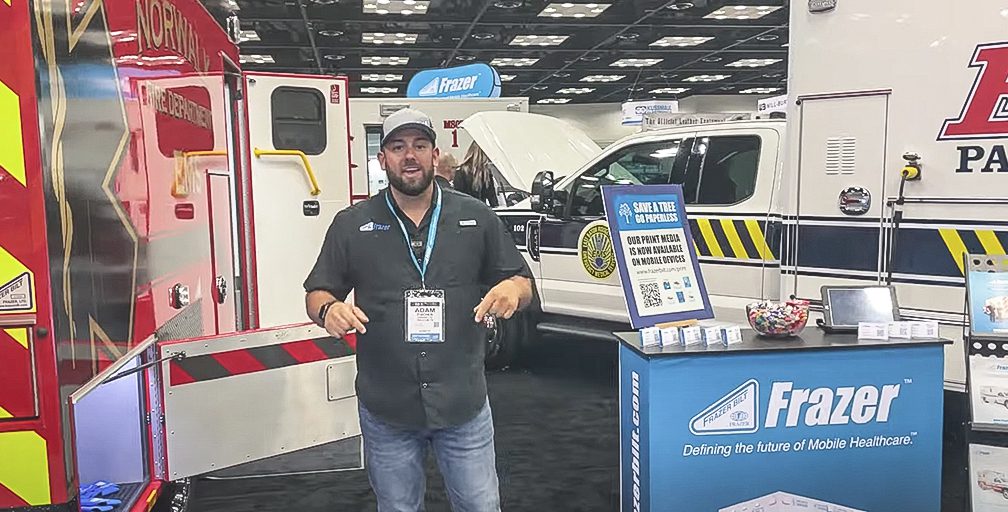
We’re excited to be at FDIC again this year to share all the great things we’re working on here at Frazer! Come see us at Booth 5364! We’ll have 4 new vehicles on display at the show! FDIC is always a lot of fun, here’s a video from the show last year!
Purchasing a Used Frazer in the Used Vehicle Market

Frazer’s have a reputation for being reliable and easy to maintain, and many people find that purchasing a used Frazer vehicle can be a great way to get a high-quality vehicle at a lower cost. In this article, we’ll explore the benefits of purchasing a used Frazer, the factors you should consider when making your purchase, and some tips to help you have the Frazer experience you deserve. Benefits of Purchasing a Used Frazer Vehicle – The Upside! There are several benefits to purchasing a used Frazer vehicle instead of a new one. First, the cost savings can be significant. A used vehicle will typically be significantly less expensive than a new one, even if it is only a few years old. Second, a used vehicle will also depreciate more slowly than a new one, so you will retain more of your investment if you decide to sell it in the future. Finally, in the current market, timing is everything and when a used vehicle becomes available, it’s typically ready for near-immediate delivery. You may be able to find a Frazer vehicle that fits your needs and budget quicker than designing and building new one. Factors to Consider When Purchasing a Used Frazer Vehicle To buy or not to buy 🤔 When purchasing a used Frazer vehicle, it’s important to consider several factors to ensure that you make a smart purchase. Firstly, you should obtain a comprehensive vehicle history report to see if the vehicle has been in any accidents or has had any major repairs. You may want to consider using Carfax or AutoCheck reports to learn more about the vehicle’s history. Additionally, you should conduct an in-person inspection of the vehicle to make sure there are no signs of excessive wear and tear or damage that may not have shown up on a report. It’s a good idea to have a mechanic inspect the vehicle to identify any potential problems that you might have missed. Be sure to check all systems such as: Maintenance and repair records should also be examined to ensure that the vehicle has been properly cared for. Most original owners keep comprehensive maintenance records and would be willing to share these if you say the magic words. Fun Fact: The original owner and Frazer build date(s) can be identified on the inside door panel of our exterior electrical compartment on the driver’s side. Lastly, an often overlooked step is ensuring that the vehicle meets local and state design requirements. Design criteria such as KKK-1822-F (commonly referred to as Triple K), CAAS GVS v3.0, and NFPA 1917 are common standards that certain states may require a unit to be built to. You can find current NEW vehicle requirements on this helpful NASEMSO website. Also, standards have changed over time so when the vehicle was originally ordered and built there may have been a different standard in place at the time, or there may not have been a standard at all. If a Frazer was built to a certain standard, that placard/sticker would be on the inside door panel of the driver’s side forward compartment where the main oxygen bottle is typically stored. If you don’t see a placard, that indicates the unit was likely not designed to a specific standard. Have questions, have no fear, the Frazer Service Team is here…seriously, you can email [email protected] and we can help answer any questions related to that specific vehicle. Ok, ok, so let’s pretend you didn’t read the previous paragraph. You’ve now likely spent tens of thousands of dollars, you have a unit in your parking lot staring back at you ready to make calls and you’re asking yourself why you didn’t read this awesome blog over oatmeal last week. Well, lesson learned, you will read every Frazer blog moving forward. But seriously, we are here to help. Our Houston service team is on standby waiting to discuss what it will take to make that unit complaint, how quickly we can get this burden off your mind, and lastly how many more bags of cash it will take for you to say “tough lesson learned”. Tips for a Successful Transaction – Smooth Like Butter To ensure a successful transaction when purchasing a used Frazer vehicle, it’s important to set a budget and stick to it, but don’t stick too much. As mentioned above, plan ahead but be prepared to spend a little on a few “fixer-upper” repairs that are often inevitable with custom-used vehicles. You should also research the market value of the vehicle to make sure that you are paying a fair price. Before finalizing the purchase, arrange for a test drive to make sure that the vehicle is comfortable and handles well and just feels right. Considering financing this vehicle? Frazer has preferred funding partners which can be found here. Where to Find a Used Frazer Vehicle – Like Easter eggs, only more expensive! There are several options for finding a used Frazer vehicle, including private sellers such as ETA or Ambulance Depot, online or social media marketplaces, and auctions. Oh, and you can reach Frazer directly at [email protected] and we may have a used unit available too. Sometimes Google searching “used Frazers near me” may be the search you need. Conclusion – It’s not goodbye, it’s see you later! Purchasing a used Frazer vehicle can be a great way to get a high-quality vehicle at a lower cost. When making your purchase, it’s important to consider the vehicle’s build history and standards certification, overall condition, and maintenance records. By following these tips and doing your research, you can ensure that you make a smart purchase and end up with a vehicle that you love. Additional Resources For more information on purchasing a used Frazer vehicle, you may want to check out these websites: NASEMSO: https://nasemso.org/projects/project-archive/safeambulances/
Frazer Wins Houston Chronicle Top Work Places 2022 Award!

On Sunday, November 13th, The Houston Chronicle published “The Houston Metro Area Top Workplaces” and Frazer, Ltd. was named one of Houston’s Top 50 midsize employers in 2022! Frazer is proud to be a Top Workplace for the 3rd year in a row! In addition, we’ve also been awarded a Culture Excellence Award for Woman-Led Top workplace! Over 70,000 employees from 4,966 companies participated in the nomination process and The Top Workplaces Award is given to 200 companies divided into three categories – Large, Midsize & Small Companies. The evaluation for the Top Workplaces program is based upon feedback from the employee survey our employees completed a few months ago. Approximately 86% of our employees responded to the survey and we are extremely grateful for all of the responses. We plan to continue to incorporate our employee’s feedback throughout the year so our employees always feel Frazer is truly a wonderful place to work. Join the Frazer Team! Are you interested in joining the Frazer family and making a difference as a builder in Mobile Healthcare? See Available Job Openings
Possible Stryker Delays
We have been notified that some customers may be experiencing delays with Stryker Power-LOAD orders. These delays are attributed to a hydraulic fluid vendor change at Stryker. We are advising customers that Stryker lead times are approx. 16 weeks. In some situations, if there are delays, we may recommend the installation of the floor plate and Stryker will install the Power-LOAD when it is delivered. Safety and quality are of the highest concern at both Stryker and Frazer. During this time special care is being taken to ensure quality and testing. We are working directly with Stryker to improve delivery times for any Stryker Power-LOAD orders. If you have any concerns or questions, please reach out to your Regional Sales Manager. CONTACT SALES
Power Options Comparison
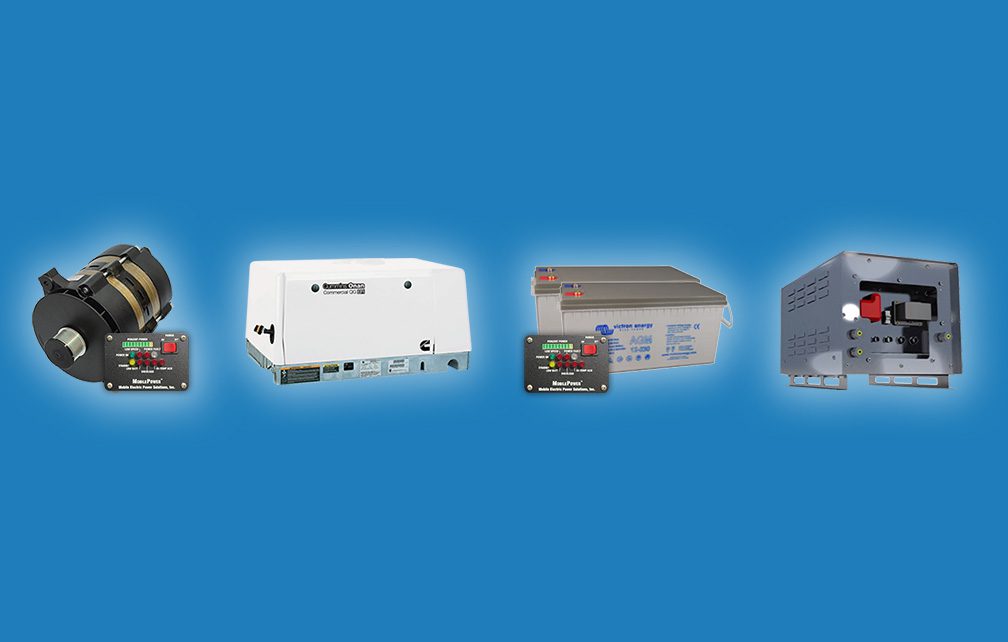
Not all power options are created equal! You may have asked yourself… “Which power option is right for my ambulance?” Typically the answer to that question is a combination of cost, maintenance, and more important than ever… environmental footprint. We highly recommend taking a look at your vehicle replacement policy, service resources, and county policies to determine the best power option for your service. Giving more power options allows for flexibility and scalability of your fleets. This article gives you deeper insights into each power option and how each one can enhance your service. LEARN MORE A Side-by-Side Comparison of Power Options Onan MEPS hPower MEPS PMI Option Type Gasoline Powered Generator Under Hood Belt Driven Generator Lithium Iron Phosphate Battery Pack System with Idle Mitigation Lithium Ion BatteryPack System withIdle Mitigation Independent from Chassis Engine (*Requires Chassis Engine for Battery Charging) Yes No *Yes *Yes Provides Idle Reduction Yes No Yes Yes Cost Comparison Onan MEPS hPower MEPS PMI Upfront Cost $ 11,000.00 $ 16,500.00 $39,000 – $49,000 Dependant on the number of batteries. $ 35,000.00 Spare Equipment Cost (Not Required, Recommended: 1 Spare per 4 Vehicles) $ 5,350.00 $ 2,600.00 $ 0 $ 2,600.00 Annual Estimated Fuel Cost (Based on National Average: $3.88/Gallon) $ 4,850.00 Negligible 40-50% reduction per year 40-50% reduction per year Annual Preventative Maintenance Cost (Labor Not Included) $ 1,000.00 Approx. $ 400.00 $ 0 Approx. $ 400.00 Maintenance Comparison Onan MEPS hPower MEPS PMI Preventative Maintenance Intervals Every 150 Onan Hours Every 2,500 Engine Hours None Every 2,500 Engine Hours Annual Preventative Maintenance Downtime ~8 Hours 2-5 Hours None 2-5 Hours Frazer 12 VDC Fail-safe Backup Yes Yes Yes Yes Installation Space Large Small Large Large Average Lifespan 7-10k Onan Hours Up to 16k Engine Hours Minimum of 5,000 Charging Cycles 100-50% to maintain 80% of day 1 (new) capacity. 5,000 Charging Cycles Install Complexity Easy Easy Easy (Less Labor for Install) Moderate Further Comparing Battery Systems & Idle Reduction Idle Reduction technology allows for intelligent switching between the generator and stored battery power. When your onboard batteries are charged and providing power, the chassis remains off. The system senses when the batteries need to charge and automatically starts the chassis to begin recharging the batteries. Below is a comparison of our Idle Reduction options. hPower MEPS PMI Battery Capacity Options 8.4 kWh, or 12.7 kWh 8.4 kWh # of Batteries 2 + (Dependent on Available Space) 2 + (Dependent on Available Space) Battery Run Time (Dependent on # of Batteries and Load) 2-4 Hours 1 1/2 – 2 Hours System Startup Automatic, with automatic restart after system shutdown. Automatic Battery Voltage 12V 24V Battery Amperage 660-990 Ah 300 Ah Inverter 5000W 12V-Sine Wave Inverter 5000W 12V-Sine Wave Inverter Display Cerbo Touchscreen Display Color Control Button Display ACU (Alternating Current Unit) Heat No Heat From ACU ACU Heat Alternators No Extra Alternators – OEM Replacement 3rd Alternator Cooling Thematically controlled fan system. Constant Fan Pulling AC from Box Temperature Monitoring Yes No Extra Belts No Extra Belts – Factory OEM Belt Loop Extra Belt Line Cutting Hoses/Lines No Cutting or Moving Hoses Cutting Hoses/Lines Power Option Videos
Hurricane Ian Support
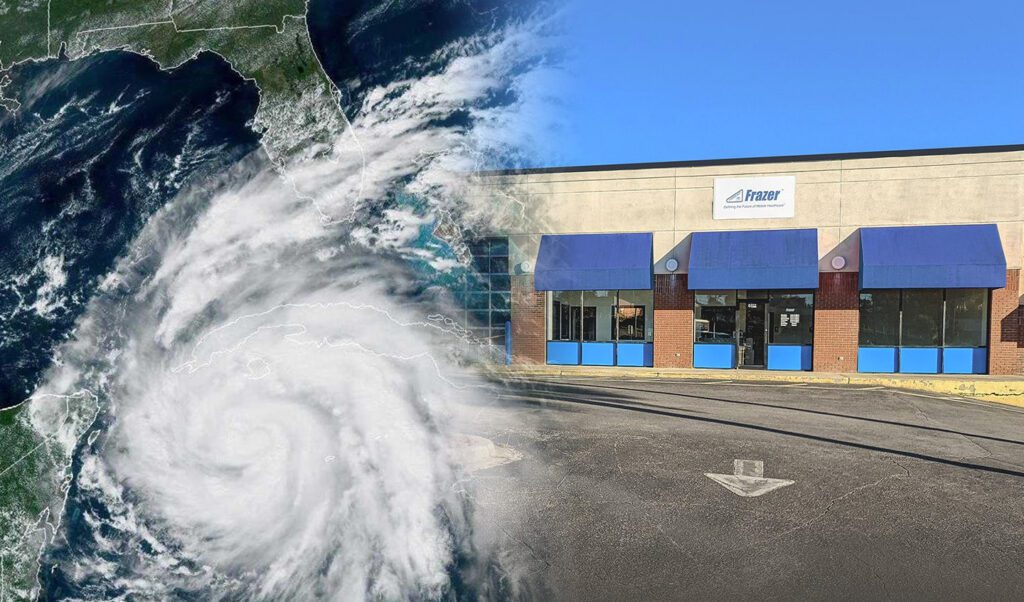
Frazer is ready to help our Florida customers impacted by Hurricane Ian. The National Hurricane Center expects Hurricane Ian to gain strength and become a potentially damaging hurricane that could make landfall in Florida in the coming days. The Frazer Florida Service Center will remain open to provide support and assistance to our customers in Florida and the surrounding areas. Here are some important numbers to remember. Florida Service Center 4462 Lafayette StMarianna, Florida 32446Phone: (850) 724-1112Email: [email protected] Houston Service Center 6021 Jessamine StHouston, Texas 77081Phone: (888) 372-9371Email: [email protected] Official Service Center Network We have partnered with several service centers across the country to help you with most service needs. If you are in need of service, please see our official list of Service Centers or call us toll-free (888) 372-9371
How to Keep Your Ambulance Cool in the Summer Heat
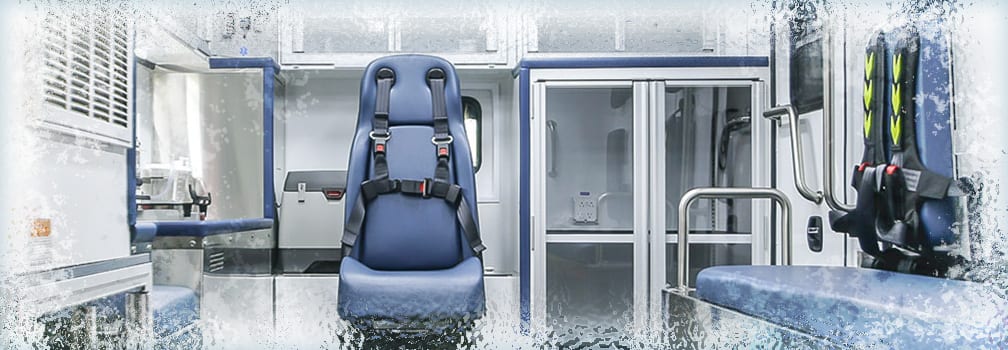
One of the most critical issues to deal with in EMS during the summertime, is the HEAT. As temperatures begin to rise, keeping your ambulance cooled in hotter climates like Texas becomes even more of a challenge. With traditional ambulances, cooling can be difficult as most air conditioners rely on power provided by the chassis. This means that your chassis needs to be running, and usually set to high-idle in order to run your air conditioner for longer periods of time. This can cause unnecessary stress on the chassis engine and dramatically lower your air conditioner efficiency. The Solution – A Self Contained Air Conditioner A patient compartment that is powered by an independent 120V power source does not rely on the chassis power system and allows for a more powerful, more efficient cooling experience. Here are some of the benefits of having a self contained air conditioner. Maximized CoolingEvery Frazer vehicle comes standard with a self-contained 120V Dometic HVAC system. This 1 ¼ ton air conditioner is mounted in the rear of the patient compartment and delivers more efficient cooling. It features a massive 518CFM fan to blow a ton of air and the forward-facing supply vents ensure your crew and patients are getting maximum cooling at all times. More Money SavedWhen you maximize your cooling efficiency, your air conditioner doesn’t need to work overtime. This leads to more cost savings due to improved fuel consumption and decreased troubleshooting or repairs. Less Wear & TearAnother major benefit of an independently powered A/C is that it won’t put additional stress on your chassis. This can extend the life of your chassis and keep your units on the road longer. Cleaner AirMultiple ventilation options, a particulate filter, and ultraviolet light bulbs all work together to clean and decontaminate the breathable air inside your Frazer unit. Faster Cooling Times It’s important to have vehicles that will cool as quickly as possible, especially when dealing with patients suffering from heat related illness. While loading patients, hot air enters the unit very quickly. The time it takes for the air conditioner to cool back down after the doors have been closed is often referred to as “Recovery Time“. Frazer units have been recorded with recovery times as low as 5 minutes. That’s pretty fast! Idling on Scene – What if You Didn’t Have To? Another thing to think about during the hot summer months is idling on scene. A high-idling chassis can quickly add to the rising temperature on scene. In addition, chassis can often overheat in the summer and cause additional issues. With an independent power source you can easily run your air conditioner without the need of your chassis. This leads to an even higher efficiency of cooling and cuts down on emissions. Maintenance One of the most effective ways you can keep your A/C cooling in the summer time is maintenance. Staying up-to-date on your preventative maintenance can improve your A/Cs efficiency and increase its overall lifespan. The most important maintenance task that ensures the efficiency of your air conditioner is to routinely replace your air filters. We’ve developed several easy-to-follow maintenance programs and a helpful “How To” video series that will help you get the most out of your Frazers air conditioner. Quick & Easy Repairs We know components can fail over time. Given that fact, we’ve designed your vehicle to be easy to troubleshoot, and repair. Our modular design allows for quick repairs to your A/C unit, the entire unit can even be replaced in under 45 minutes. Service & Warranty Your AAP-Dometic air conditioner/heater comes with a 4 year parts & labor warranty and our service team can help you with any warranty issues you may have. If you are in a situation where your A/C is having issues and you need repairs, schedule an appointment today with our service team! SCHEDULE SERVICE More About Your Frazer Air Conditioner Care & Maintenance of Your Frazer A/CAir Conditioning in Your Ambulance – A DiscussionWarranty Info
UPDATE – Chassis Ordering for EMS Vehicles
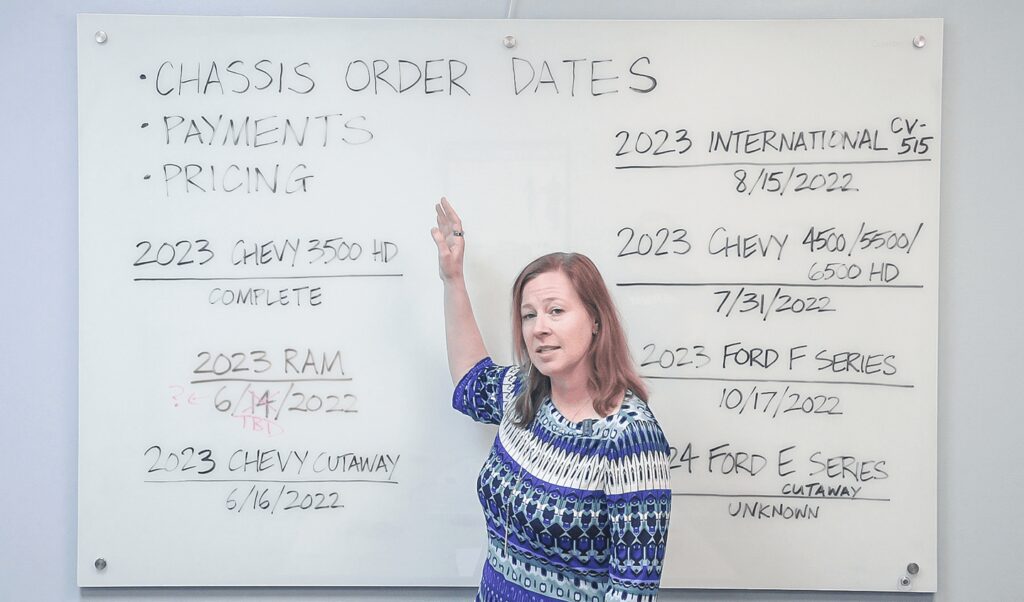
In a world where the phrase ‘Supply Chain Issues’ is commonplace, supply and demand are ever-changing. Preparation ahead of time is paramount. Laura shares some tips and information to help you navigate the chaotic new world we live in for ordering chassis. Here are additional details on when chassis order banks are estimated to open. These order banks are expected to close on the same day. Remember, these dates are tentative and we will keep you updated as we learn more. Chassis Type Estimated Order Deadline 2023 Chevy 3500 HD Ordering Complete* 2023 RAM TBD (July 2022) 2023 Chevy Cutaway 6/16/2022 2023 Chevy 4500/5500/6500 MD 7/31/2022 2023 Ford F Series 10/17/2022 2024 Ford E Series Cutaways Unknown * Please call for additional information. We hope this information is helpful as you plan for your department’s vehicle & equipment needs. If you are anticipating a purchase in the future, it is imperative for you to get your letters of intent or purchase orders in quickly for your best chance at reserving a chassis for your build. Please reach out to your Regional Sales Manager if you have any questions or call us direct at (888) 372-9371.
FDIC 2022
We’re excited to be at FDIC this year to share all the great things we’re working on here at Frazer! Come see us at Booth 5656! We’ll have 4 units on display at the show. Check them out in the links below. Celina Fire Department Bellaire Fire & Rescue Myrtle Beach Fire Department Houston Fire Department FDIC is always a lot of fun, here’s a video from the show last year!
Florida Service Center Opening Soon!
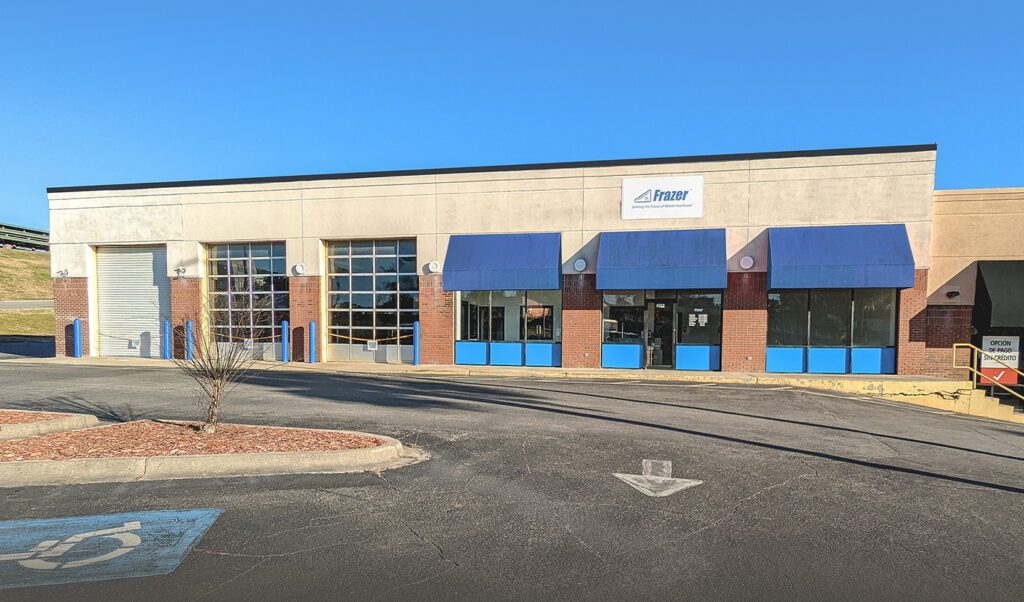
We’re expanding our Service Center Operations in Florida! Expanding will help us accommodate customers in the Florida panhandle and other surrounding areas. New facility opens Monday, February 28th, 2022 This service center will be a closer alternative to customers like Jackson County Fire Rescue which runs 10 Frazer units in the area, rather than having to take their units to Texas when in need of service. “Our interest in coming to the Panhandle of Florida is to support all of those customers that have been buying vehicles from us and provide them a higher level of service closer to their location than having to go to Houston,” Paul Stephenson, Florida Service Center Manager This new service center in Florida will act as a model as we evaluate the demand for service in other areas of the country. This will allow us to provide high-quality service for customers who are challenged with traveling to our facilities in Houston. Services Offered The new Florida Service Center can provide the following services… Warranty Service on Newly Delivered Vehicles Service on Units Outside of Warranty A/C and Generator Repairs Vehicle Upfitting All work completed at this facility will only be performed on Frazer units. Tour the Facility Contact Us Frazer Service Center 4462 Lafayette St. Marianna, Florida 32446Phone: (850)-724-1112Email: [email protected]
Free Generator and Electrical Classes
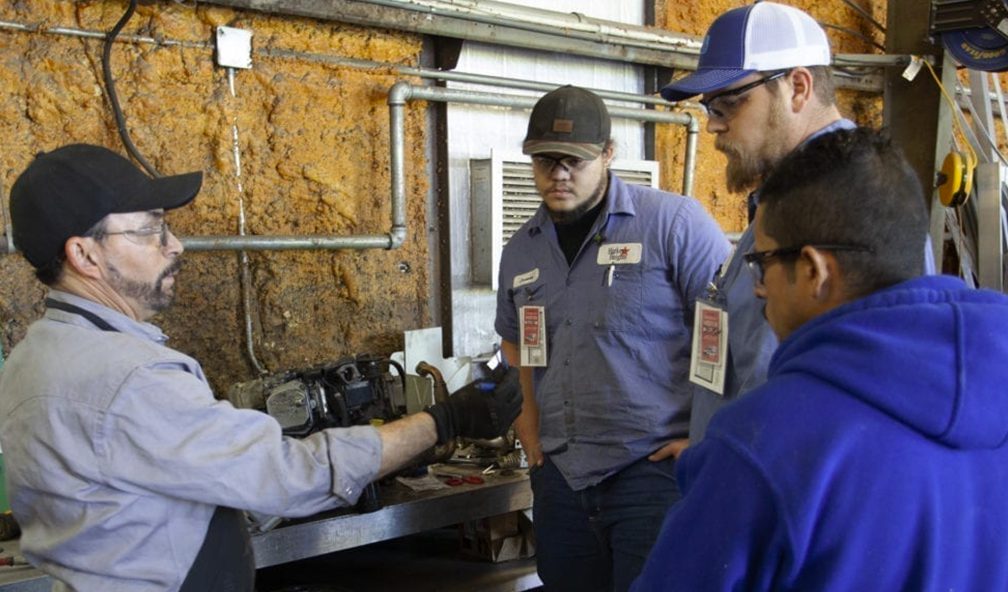
Frazer offers free classes to help you operate and maintain your EMS vehicle. Register now for generator and electrical classes. Spots are Limited!