
Protecting Your Mobile Stroke Unit Investment: Support After the Sale
Investing in a Mobile Stroke Unit (MSU) is a major step in bringing stroke care closer to the patient. Instead of relying only on traditional “door-to-needle” treatment, an MSU can help medical teams begin critical care in the field.
That capability comes with a significant investment. When an MSU can approach $1 million, it makes sense for hospital boards, city leaders, and procurement teams to pay close attention to the purchase price. But the initial price is only part of the cost. Downtime, maintenance, serviceability, and the useful life of the vehicle can all affect what an MSU costs to operate over time.
This guide explains what EMS directors and healthcare administrators should consider when looking beyond the initial purchase price. We’ll cover independent power, serviceability, post-sale support, maintenance, and remounting so you can make a more informed decision about your MSU investment.
The True Cost of a Mobile Stroke Unit: Looking Beyond Initial Cost
When organizations compare bids for a new Mobile Stroke Unit, the initial capital expense naturally gets a lot of attention. Staying within budget matters, but the purchase price does not tell you what the vehicle may cost to operate over the next 10 or 20 years.
A common concern from buyers is simple: “The initial cost of an MSU is too high to justify to our board.”
That is a fair question. One way to look at it is through Lowest Overall Cost of Ownership, or LOCO. This approach considers more than the price on the purchase order. It also looks at maintenance, downtime, service needs, and eventual replacement costs.
A lower purchase price does not always mean a lower long-term cost. The real question is what the MSU will require throughout its service life. Depending on how the vehicle is configured, maintained, and operated, spending more upfront may help reduce costs later.
Engineering for Uptime: The Role of Chassis-Independent Power
Fleet managers and medical directors should ask an important question before choosing an MSU: “What happens to our clinical environment if the truck engine goes down?”
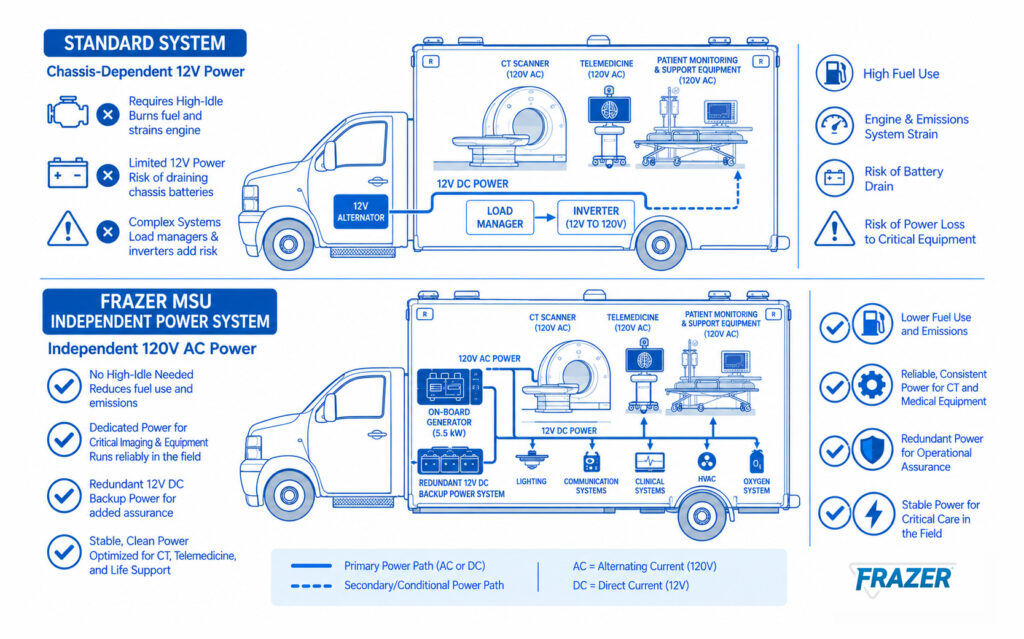
Some emergency vehicle designs depend on the truck chassis for parts of the module’s electrical and climate-control systems. Depending on the design and the type of chassis failure, an engine or electrical problem may affect systems inside the clinical space.
That matters when the module contains temperature-sensitive medical equipment, a CT scanner, and other systems that need reliable electrical power.
Frazer designs Mobile Stroke Units with chassis-independent power options. Depending on the configuration, systems such as a Cummins Onan generator, MEPS, or Harrison hPower can provide a dedicated source of power for the clinical module.
What does that mean in the field? Depending on the type of chassis issue and the unit’s configuration, the independent power system is designed to support continued operation of module systems. That can include 120V AC power, climate control, air purification, and other onboard equipment used by the medical team.
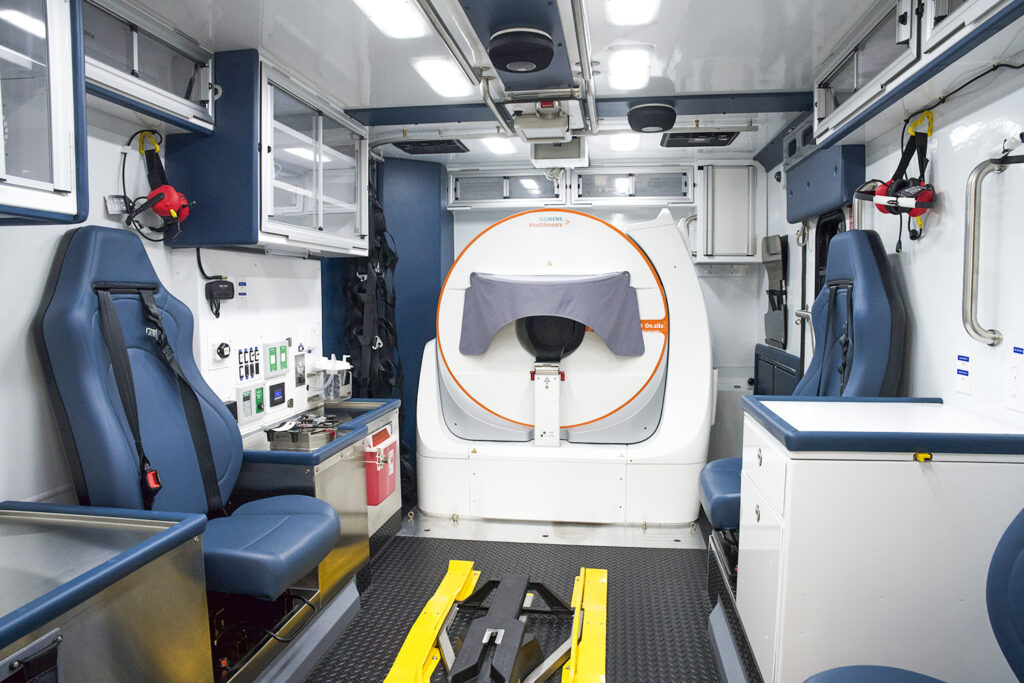
Powering and Securing the Onboard CT Scanner
Putting a CT scanner inside a moving vehicle takes more than finding enough room. The scanner’s weight and power requirements call for a purpose-built structural and electrical system.
Frazer uses a fixed mounting system for the Siemens SOMATOM On.site scanner. This removes the need for floor rails and supports image acquisition on vehicle inclines of up to 5 degrees.
Frazer also developed an SAE J3043-compliant CT scanner mount in the U.S. and voluntarily tested the retention system beyond 50,000 pounds of force without structural failure. The system is designed to help retain the scanner during a collision and reduce the potential for movement inside the patient compartment.
The Operational Cost of Downtime
What is the true cost of EMS vehicle downtime?
The cost of downtime goes beyond the repair bill. When a Mobile Stroke Unit is unavailable, it may affect opportunities to provide on-scene stroke care, vehicle availability, transport operations, and the department’s ability to cover calls with reserve units.
Modern emergency vehicles can use complex electrical systems that require specialized software, diagnostic tools, parts, or technical support. Depending on the system and the problem, that can affect how quickly a local fleet team can find the issue and complete the repair.
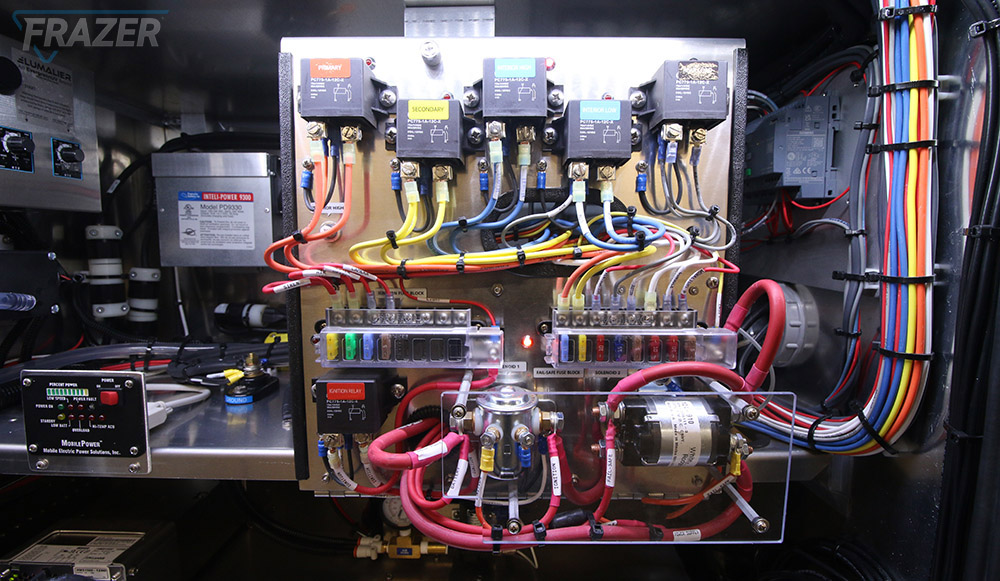
Frazer takes a simpler approach to electrical design. Instead of relying only on proprietary printed circuit boards, Frazer units use point-to-point wiring, common terminal strips, and standard automotive relays.
Why does that matter? The goal is straightforward serviceability. Fleet personnel can access and troubleshoot many electrical components using familiar methods and commonly available parts. When applicable, that can make diagnosis and repair easier and help teams get the unit back into service.
Why Support After the Sale Matters
Why is post-delivery support important for a Mobile Stroke Unit?
A Mobile Stroke Unit is a complex, high-value asset. Access to technical help, warranty support, parts, and planned maintenance can make a meaningful difference when service is needed.
Every organization weighs price, warranty coverage, serviceability, and post-delivery support differently. Research can also help show what EMS and fire professionals value when choosing a vehicle provider.
According to an independent, double-blind industry survey of 100 EMS and fire professionals, fewer than 25% of respondents named price as their top driver when selecting a builder. When respondents rated individual attributes, support after the sale ranked as their top priority.
At Frazer, that support is part of the Frazer Family Experience. When customers need technical help, they can connect with Frazer employees who know our vehicles and systems. Frazer also provides warranty coverage that includes a 5-year warranty on module paint and electrical wiring.
In that same independent survey, 39% of respondents identified Frazer as the brand that spends the least amount of time in the shop. The result reflects the responses of the professionals included in that study and gives organizations another data point to consider when evaluating serviceability and post-sale support.
Proactive Maintenance for a High-Value Asset
Good maintenance is about finding needs before they become unexpected repairs. Frazer offers structured Service Maintenance Agreements (SMA) and Preventive Maintenance (PM) plans to help customers stay ahead of service needs.
These programs include scheduled quarterly inspections focused on module systems such as the independent generator and HVAC system. Tracking operating hours and elapsed time, along with chassis mileage, can help fleet teams identify wear earlier and make service expenses easier to plan.
Extending the Lifecycle Through Remounting
How can remounting affect the lifecycle cost of a Mobile Stroke Unit?
A well-built module may remain useful after its original chassis reaches the end of its service life. Remounting moves the existing clinical module to a new chassis, which may extend the life of the investment without requiring the organization to replace the entire vehicle.
For an MSU, that can make a meaningful difference in long-term capital planning. A heavy-duty chassis may need replacement every 5 to 7 years, depending on call volume, idle time, maintenance, operating conditions, and overall vehicle condition.
If the clinical module remains suitable for continued service, remounting may allow the organization to replace the chassis without replacing the entire module and everything built into it.
Frazer modules use all-aluminum, wood-free construction and are designed with remounting in mind. Depending on condition, use, configuration, and other factors, a module may be remounted more than once. Frazer has documented modules that have exceeded 1 million miles of service and 20 years of use through the remounting process.
When evaluating the cost of an MSU, looking at the expected service life of both the chassis and the module gives decision-makers a more complete picture of the long-term investment.
Ready to Plan Your Mobile Stroke Program?
A Mobile Stroke Unit is more than a vehicle. It is a clinical environment your team and community depend on. That makes uptime, serviceability, maintenance, and support important parts of the buying decision.
Independent power, accessible electrical systems, planned maintenance, and a remountable module are all designed to help organizations manage that investment over time. Just as important, the team supporting the unit after delivery should be ready when you need them.
If you are evaluating a Mobile Stroke Unit or building a procurement proposal, contact Frazer to talk through your program, operational needs, and long-term plans. We’ll help you understand your options so your team can make the decision that fits your community and its critical care needs.
Why is support after the sale important for Mobile Stroke Units?
Mobile Stroke Units are complex, high-value assets, making post-delivery support an important part of the ownership experience. Access to factory technical assistance, warranty support, parts, and planned maintenance programs can help departments manage service needs and support vehicle availability over time.