Crosby EMS put it to the test – the results may surprise you.
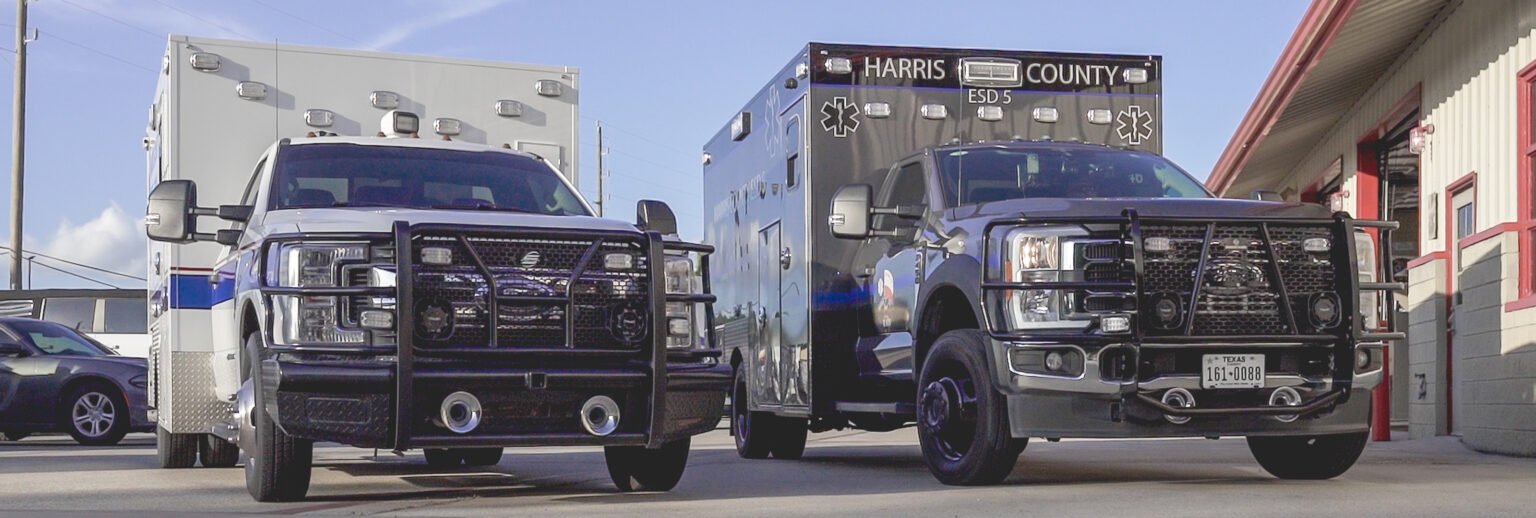
When Crosby EMS made the switch to a black paint scheme, it raised eyebrows – and a critical question…
“Does black paint reduce visibility?”
We understand the concern. But visibility on an EMS unit isn’t about paint color alone. It’s about how the entire system—graphics, lighting, and layout—works together in real-world conditions.
Let’s look at what actually makes an ambulance visible, and how Crosby EMS approached this decision with safety in mind.
What Impacts Nighttime Visibility?
It’s not about the paint – it’s about the entire system…
Reflective Vinyl Graphics
At night, what really catches your eye isn’t the paint – it’s the reflective striping and chevrons. That’s why standards like CAAS, Triple-K, and NFPA all call for materials that meet or exceed ASTM D4956 reflectivity. These reflective graphics are specifically designed to shine when headlights hit them, making the vehicle stand out in low-light situations. Frazer uses high-performance 3M 680CR vinyl that returns at ~75–90 cd/lux/m², well above the required standard.
LED Scene and Marker Lights
Bright, strategically placed LED lights surround the entire vehicle to boost visibility – on the road, at the scene, or anywhere in between. By reducing dark spots and adding contrast, this lighting setup helps keep crews safe and makes the vehicle easier to see for other drivers and bystanders.
Real-World Testing
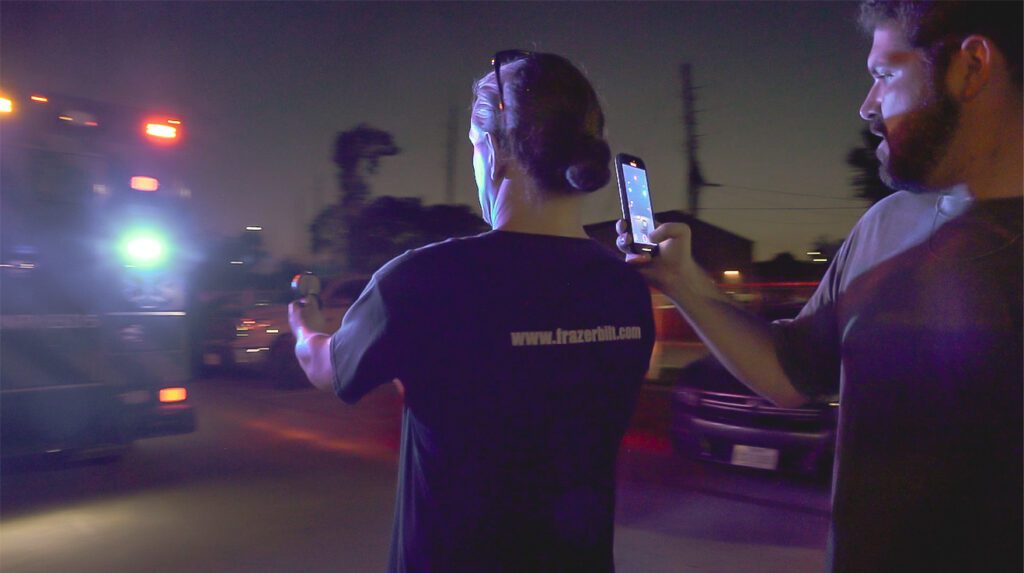
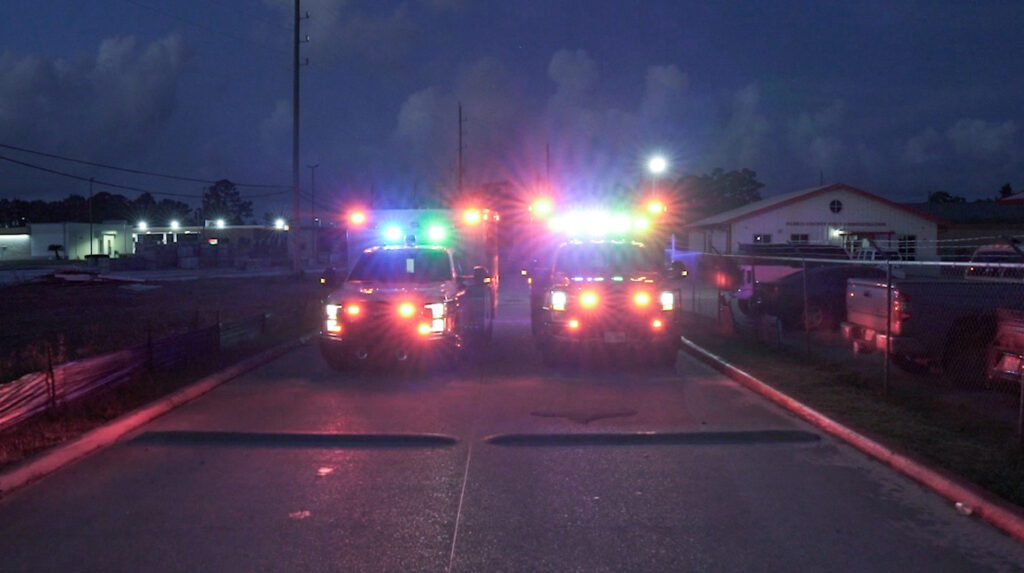
We tested the reflectivity of Crosby’s new black units using a light meter at various distances and compared the results to similar white units. Surprisingly, the black units with reflective graphics were often measurably more visible, thanks to the higher contrast between the reflective material and the darker background.
Results
At a distance of approximately 15 feet, the black unit returned a reading of 332 lux, compared to 176 lux for the white unit. This real-world data shows that, with the right materials, black units can potentially improve nighttime visibility depending on conditions.
What About During the Day?
Contrast plays a bigger role than paint color.
High-Contrast Graphics
Choosing the right paint color, gives reflective graphics sharper contrast in daylight. Black, white, purple or green; what matters is contrast. This helps drivers and pedestrians quickly recognize the vehicle as emergency medical, especially in complex environments like intersections or busy roadways.
Recognition Matters
Visibility isn’t just about being seen – it’s about being understood. EMS markings, striping patterns, and bold layouts increase awareness and response time for surrounding drivers.
What Crosby EMS Considered Before Making the Switch
Crosby EMS didn’t change their paint scheme for looks – they followed the data.
Before making the switch, they worked with Frazer’s engineering, graphics, and paint teams to understand how reflective materials and LED lighting actually perform in real conditions. They reviewed data from other dark-painted units and saw how high-contrast striping and proper lighting made them more visible, not less.
The result? a bold new look designed to stand out during the day and enhance safety at night.
BILT to Be Seen. Engineered to Perform.
At Frazer, visibility isn’t an afterthought – it’s a system. From high-contrast reflective graphics to lighting packages tested in real-world conditions, every element is designed to keep your crew safe, day or night.
Our paint, graphics, and engineering teams work together to make sure form meets function – so whether your unit is black, white, or anything in between, it performs where it matters most: in the field.
Wondering if a black unit is right for you?
Let’s talk about what the data shows – not just opinions. We’ll connect you with the right experts and help design a solution that looks sharp and stays safe.
Frazer doesn’t just build vehicles. We build confidence.