Planning Ahead: What the Cummins Revolution Generator Transition Means for You
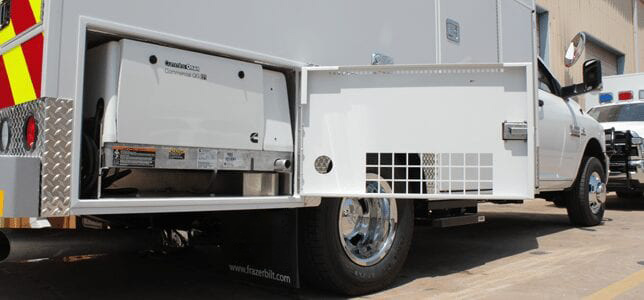
Planning Ahead: What the Cummins Revolution Generator Transition Means for You At Frazer, we know that reliable mobile power is the heartbeat of your emergency response vehicles. You depend on your onboard generator to run critical medical equipment, climate control, and essential lighting. With that in mind, we want to share a crucial update regarding vehicles equipped with the Cummins Onan 5.5kW generator, and help you navigate what this means for your fleet. Recently, Cummins announced the discontinuation of the legacy Onan 5.5kW generator. Moving forward, the new Onan 7.0kW Revolution generator will be the replacement for all future applications. If It’s Running Well, Stay the Course The good news? If your current 5.5kW generator is operating properly, no immediate action is required. We encourage customers to continue using their existing generators. Routine maintenance, replacement parts, and dedicated service support should remain available, depending on supplier inventory and vehicle needs. The Importance of Proactive Planning Why share this update now? In fleet management, planning ahead can help prepare for potential costs and downtime. Cummins Onan has informed Frazer that new 5.5kW replacement units are no longer available. While used units occasionally surface, the secondary market is unpredictable and not a dependable long-term solution. If a major, irreparable failure occurs, the primary path forward may involve upgrading to the 7.0kW Revolution generator. What to Expect from a 7.0kW Retrofit It is vital to understand that the 7.0kW Revolution is not a direct, drop-in replacement for the 5.5kW platform. Vehicles originally built around the 5.5kW footprint will require specific modifications before the new system can be installed. This retrofit process may include updates to: Furthermore, based on the specifications provided, the generators are not cross-compatible. Reverting after modification may require additional structural changes. Building Your Transition Strategy We encourage you to factor in several key elements when planning for a future replacement: We Are Here to Help Our objective is not to create a false sense of urgency, but to empower you to make informed decisions and avoid costly surprises. While this transition is driven by a supplier change, Frazer’s commitment to supporting you throughout the life of your vehicles remains unwavering. If you want to discuss your specific vehicle configurations or build a practical, long-term plan, our Service Team is here to assist. Contact the Frazer Service Team today at [email protected] or 888-372-9371. We are dedicated to helping you keep your fleet ready for whatever comes next.
Frazer CEO Laura Griffin Named EY Entrepreneur Of The Year® 2026 Gulf South Winner

Frazer CEO Laura Griffin Named EY Entrepreneur Of The Year® 2026 Gulf South Winner We are thrilled to announce that Frazer’s very own CEO, Laura Griffin, has been named an EY US Entrepreneur Of The Year® 2026 Gulf South Award winner! Now in its 41st year, the Entrepreneur Of The Year program is a prestigious honor that celebrates original founders and transformational business leaders for their ingenuity, courage, and entrepreneurial spirit. Laura was selected by an independent panel of past winners and top executives who evaluated candidates based on their long-term value creation, purpose-driven commitment, and significant impact. What’s Next? As a Gulf South award winner, Laura will now be considered by national judges for the Entrepreneur Of The Year 2026 National Awards. These awards will be presented this November at the annual Strategic Growth Forum®, a gathering of high-growth CEOs and investors converging to shape the future of business. From there, the National Overall Award winner will move on to compete for the EY World Entrepreneur Of The Year™ Award in May 2027. We are incredibly proud of Laura’s leadership and the continued innovation she brings to our organization, and we join an impressive legacy of past regional and national winners. To learn more about our journey, our team, and the work we do, visit us at Frazerbilt.com. About Entrepreneur Of The Year Founded in 1986, Entrepreneur Of The Year® has celebrated more than 11,000 ambitious visionaries whoare leading successful, dynamic businesses in the US, and it has since expanded to nearly 60 countries andterritories globally. The US program consists of 17 regional programs whose panels of independent judges select the regionalaward winners every June. Those winners compete for national recognition at the Strategic GrowthForum® in November where national finalists and award winners are announced. The national overallwinner represents the US at the EY World Entrepreneur Of The Year™ competition. Visit ey.com/us/eoy.
Ambulance Remount vs Replacement: Which Option Creates the Lower Overall Cost of Ownership?
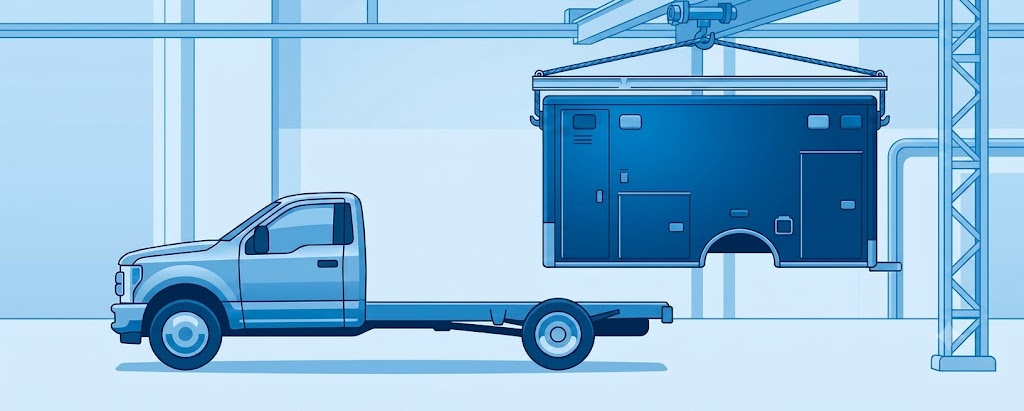
Ambulance Remount vs. Replacement: Which Option Creates the Lower Overall Cost of Ownership? Your Fleet Manager has flagged a few aging units, and budget season is getting close. You need a recommendation you can explain to leaders who may not work with these vehicles every day. The real question is not which option sounds less expensive. It is which option is more likely to support your department’s operational and financial needs after the budget is approved and the vehicle returns to service. Fleet Managers and Fire Chiefs need a practical way to compare remounting and replacement. We’ll cover lifecycle cost, module condition, operational needs, and warranty questions so your team can make a better-informed decision. Why This Decision Is More Complex Than It Looks Your team needs more than a sales claim. You need a clear framework that can stand up to questions from leadership, purchasing, finance, and the crews who will use the vehicle. Experience with both remount and replacement decisions can make that guidance more useful. Frazer has built EMS vehicles since the early 1980s as part of a company founded in 1956. Since 1984, Frazer has built over 4,500 EMS modules, including many units that later reached a remount-or-replace decision. Departments typically begin this review after a high repair estimate, more frequent shop visits, or a budget deadline. Whatever brought the issue forward, the goal is the same: turn a fleet concern into a documented recommendation your department can explain and defend. What “Lower Overall Cost of Ownership” Means Lower overall cost of ownership, or LOCO, looks at the full cost of a decision over the vehicle’s remaining service life. It includes the cost to remount or replace, expected maintenance, operational downtime, and the useful life your department may receive from the investment. A lower-priced remount may not be the better value if it needs major repairs two years later. A new build may cost more at the start but provide a longer and more predictable service life. Comparing all four factors gives your team a clearer picture than purchase price alone. How to Tell Whether Your Module Is a Good Remount Candidate Before comparing prices, determine whether the existing module is a practical candidate for remounting. Start with its structure, service record, and ability to meet the standards that apply to your department. Structural Condition of the Module The module is the patient compartment, not the chassis under it. Its condition is one of the most important parts of the decision. A module built from durable materials and supported by a sound structural history may be eligible for more than one remount, subject to inspection and certification. Frazer modules use all-aluminum, wood-free construction with 6061 T-6 structural aluminum tubing. The cabinetry and mounting systems are also resilient and crash tested. Aluminum and wood-framed modules can react differently to moisture, age, wear, and demanding service conditions, which can affect how long each module remains a practical remount candidate. Mileage and Service History A module with complete records and no major structural incidents may be a stronger candidate than one with an unclear or difficult history. Maintenance records can help your team separate normal repairs from repeated structural, electrical, or system problems that need a closer look before another service cycle. Remaining Certifiable Lifespan A remounted module must still meet the safety and construction standards that apply to the finished vehicle. Ask the builder or inspector whether the module can be certified after the proposed work, including NFPA 1917 and CAAS GVS v2.0 when applicable. Request written confirmation for the specific unit and scope of work. What a Remount May Cost and Save Remount discussions often begin with a savings percentage, but the number alone does not tell the full story. Your team should understand what produced the reported savings and whether the same conditions apply to your fleet. Some customers who remounted Frazer modules onto new chassis reported fleet maintenance cost reductions between 42% and 60% compared with their prior costs. This is a customer-reported range, not a guaranteed result for every fleet. The potential savings may come from more than avoiding the cost of a new module. A durable module and a simple, serviceable design may contribute to fewer maintenance issues over time. Frazer uses point-to-point wiring with common relays, fuses, and terminal strips instead of a multiplex electrical system. This approach can help some maintenance teams diagnose and repair issues without specialized software or an outside vendor. The actual benefit depends on the problem and the department’s in-house capabilities, but easier service may help limit repair costs and downtime. Support after the vehicle returns to service also matters. Review the builder’s service model, parts support, and geographic coverage before making a decision because serviceability is part of the lifecycle calculation. Some Frazer modules have exceeded 1 million miles of service, and some have remained in use for more than 20 years through multiple remount cycles. These examples show what may be possible under the right operating, maintenance, inspection, and service conditions. Have a question for the team? Ask a Question Does Remounting Affect Your Warranty? Warranty coverage should be part of the review before your department approves a remount. Read the applicable terms and confirm in writing how the proposed work will affect both the module and its components. What Frazer’s Lifetime Module Warranty Covers Frazer provides a lifetime module construction warranty for the original owner. It covers design, workmanship, installation errors, and defective materials, subject to the warranty’s terms, conditions, exclusions, and limitations. The coverage is tied to the module and the original owner rather than a single chassis. That may allow the warranty to continue after an eligible remount. Your department should still confirm coverage for the specific unit and proposed work before authorizing the project. What Happens to Component Manufacturer Warranties An EMS vehicle also includes systems and components covered under separate manufacturer warranties. Frazer passes through applicable component manufacturer warranties. Whether that coverage continues may depend on the manufacturer’s terms,
Why Serviceability Matters: How Vehicle Design Impacts Ambulance Maintenance Costs and Fleet Uptime
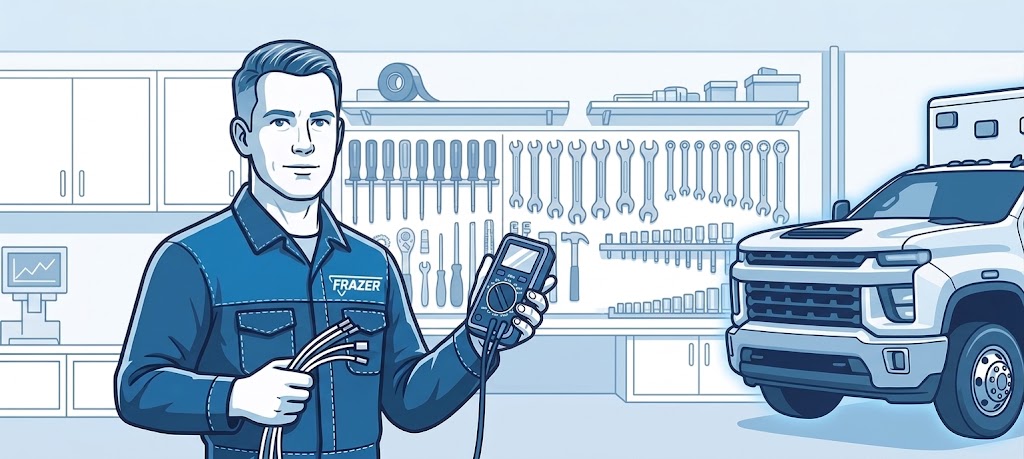
Why Serviceability Matters: How Vehicle Design Impacts Ambulance Maintenance Costs and Fleet Uptime Ambulance purchasing decisions often focus on features such as touchscreens, digital controls, and integrated chassis systems. Fleet maintenance teams may look at those same features differently. They need to know how each system affects diagnostics, repair access, parts availability, and vehicle downtime. Computers and sensors can add useful functions, but they can also add steps when something needs service. Every hour a vehicle remains in a repair bay is an hour the fleet cannot use an important operational asset. That is why serviceability should be considered before a vehicle is purchased, not only after a problem occurs. Why Can Modern Ambulance Electrical Systems Be Difficult to Diagnose? Some modern ambulance electrical systems use computerized multiplex boards to manage several module functions. A problem in one circuit may affect the board or other connected systems. Diagnosing the issue may require proprietary OEM software, specialized hardware, or dealer support. These requirements can increase repair time, especially when a fleet must wait for a technician or replacement component. Learn more in our 2026 Guide to EMS Vehicle Reliability & Fleet Uptime. Multiplex vs. Point-to-Point Wiring: How Electrical Design Affects Service Access When an electrical issue occurs, the system’s design can affect how quickly a fleet technician can begin troubleshooting. A mechanic may have years of experience, but a multiplex system can still require manufacturer-specific tools, software, and procedures. The concern: “My mechanics aren’t trained to fix modern ambulance electrical systems. We have to send them to the dealer because we don’t have the diagnostic laptops.” What can happen: Multiplex systems route electrical commands through centralized computer modules. If a dome light stops working or an A/C fan does not turn on, a mechanic may need specialized software to retrieve system information rather than tracing one circuit directly. If a proprietary board must be replaced, the fleet may also need to wait for a manufacturer-specific part. The Frazer approach: Frazer uses point-to-point wiring with common relays, fuses, and terminal strips. The wiring is color-coded, marked by function, and routed directly between switches and components. This design is intended to simplify troubleshooting and help fleets address common service challenges and potential failure points. Depending on the issue, an in-house mechanic may be able to diagnose a Frazer unit with a standard multimeter, common replacement parts, and the vehicle’s wiring documentation. This gives fleet departments more opportunities to complete electrical work in-house and may reduce diagnostic time, repair costs, and vehicle downtime. High-Idle Chassis Wear: Addressing Module Power Demand Electrical repairs can create frustrating service delays, but major chassis engine repairs can create even larger costs. Fleet tracking tools can help departments monitor idling, but crews may still need to power climate control, ventilators, monitors, refrigerators, lighting, and other equipment while parked at a scene. When those systems depend on the chassis engine, the vehicle may remain at high idle for much of a shift. The way a vehicle supplies module power can therefore affect fuel use, maintenance needs, and long-term chassis life. Many ambulances use heavy-duty alternators and inverters to draw module power from the chassis engine. When a modern diesel chassis operates at high idle for long periods, conditions may not always support effective exhaust regeneration. This can contribute to soot buildup in the diesel particulate filter. In some cases, a DPF-related condition may place the vehicle in limp mode, interrupt operations, and require an unplanned repair. The concern: “Moving to an independent generator gives my team a second engine to maintain. That sounds like more work, not less.” What to consider: A generator does require scheduled oil and filter changes. Fleets should compare that predictable maintenance with the possible cost of chassis engine repairs. In most operating environments, maintaining a small, accessible generator should cost less than repairing or rebuilding a modern diesel chassis engine affected by extended high-idle operation. The Frazer approach: Frazer mobile healthcare units use an independent 120V AC generator as the primary power source for the module. This separates most module power demand from the chassis electrical system. Frazer units also include a redundant 12V DC backup system designed to support certain operations if the primary power source is interrupted. This design can reduce the need to keep the chassis engine at high idle only to operate the module’s A/C, lights, outlets, and supported equipment. It also provides a steady source of power while the vehicle is driving or parked. By moving much of the environmental and electrical demand to the generator, fleets may be able to reduce chassis strain and plan maintenance around a smaller, more accessible power source. Customers who have transitioned from chassis-dependent power systems to generator-powered Frazer modules have reported overall fleet maintenance cost reductions ranging from 42% to 60%. Actual results vary based on duty cycle, maintenance practices, fleet configuration, and operating conditions. Have a question for the team? Ask a Question Modular Serviceability: Reducing the Operational Impact of Downtime Maintenance cost is not limited to the price of a replacement part. Fleet managers must also account for technician labor, repair access, outside service, and the operational effect of removing a vehicle from service. In some traditional configurations, technicians must remove cabinetry, ceiling panels, or parts of the dash to reach a major component. A relatively inexpensive part can lead to many hours of labor and several days of downtime when access is limited. Speed of Service as an Engineering Consideration Serviceability depends on more than readable wiring. It also depends on where components are placed and how quickly a technician can reach, remove, and replace them. Frazer considers repair access and service time during the engineering process. The Frazer approach: Frazer uses a modular design with a self-contained 120V AC HVAC system for the patient module. The system is comparable in capacity to a one-ton residential unit and does not depend on chassis A/C lines to cool the module. If an HVAC unit needs replacement, its side-mounted, self-contained design
Independent Power vs Traditional Electrical Systems: Which Is More Reliable for EMS Operations?
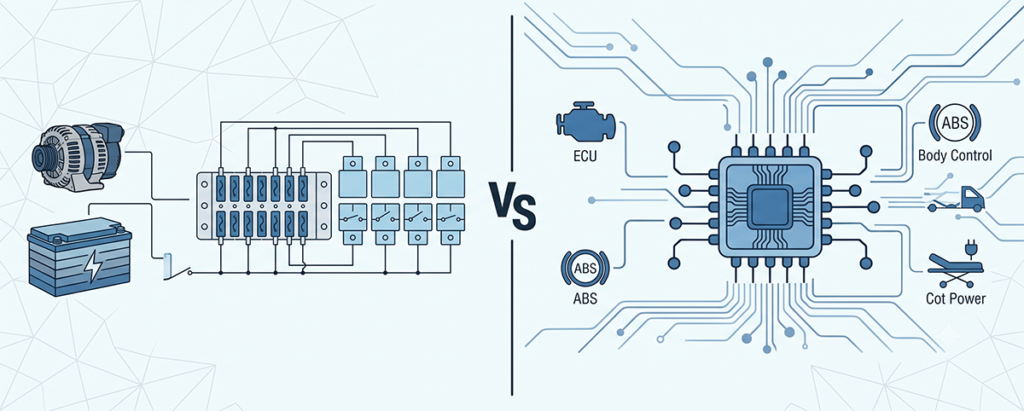
Independent Power vs. Traditional Electrical Systems: Which Is More Reliable for EMS Operations? Imagine waiting for a proprietary circuit board while a frontline EMS vehicle sits in the shop for a second week. Your reserve units are already in use, temperatures are rising, and leadership wants to know why Vehicle Down Time, or VDT, keeps increasing. For many fleet managers, this is not a made-up problem. It is a real operational risk. Choosing a reliable EMS vehicle involves more than comparing cabinets, chassis, and engine specifications. The electrical system also affects how the unit performs, how quickly problems can be found, and how easily repairs can be completed. This guide compares traditional multiplexed systems with independent generator-powered systems. It can help you evaluate a platform designed with serviceability and fleet uptime in mind. Why Power System Design Matters Many traditional systems connect patient compartment power closely to the truck chassis. The chassis engine and alternator may support lighting, climate control, and medical equipment while crews are on scene. This approach can provide advanced controls, but it may also place more demand on the chassis and create a more complex system for fleet technicians to service. Multiplexing uses a central computer and connected nodes to manage electrical functions. The tradeoff is added complexity. Digital nodes and enclosed circuits replace familiar switches, fuses, and relays. If a screen or control node fails, several patient compartment functions may be affected at the same time. Frazer Electrical Systems On a Frazer unit, a chassis-independent 120V AC generator system separates the patient care compartment and helps reduce the need for extended high-idle operation. This is engineered to provide steady power whether the vehicle is parked or moving. The system also uses point-to-point wiring and common mechanical relays instead of a complex and computerized multiplex network. An intermittent wire or failed control can leave a vehicle out of service while technicians search for the cause. But with point-to-point wiring, a local technician may need just a test light and wiring diagram to find the problem. Our article on the seven most common EMS vehicle reliability failures explains how electrical problems can affect operational readiness. High Idle, Engine Wear, and Emissions Systems A chassis-powered system may require the truck engine to run at high idle while crews are on scene. This helps the alternator produce enough power for lighting, climate control, and medical equipment. Extended idling can add wear to modern diesel and high-output gasoline engines. On diesel chassis, long idle periods may also affect the Diesel Particulate Filter, or DPF, and other emissions components. Depending on the chassis and operating conditions, this can contribute to more frequent regeneration cycles, added maintenance, or limp-mode events. In plain language: The truck engine may have to work harder and run longer just to support the patient compartment. Over time, that can increase fuel use and add wear to expensive chassis components. Those costs can affect the vehicle’s overall cost of ownership. Frazer takes a different approach by separating patient compartment power from many chassis power demands. Our generator-powered modules are designed to reduce dependence on the truck engine and limit shared failure points. Does a Generator Add More Maintenance? A generator-based system does require routine care, including scheduled oil changes and other service recommended by the manufacturer. This may lead some fleet manager to question whether these additional maintenance items are worth the effort. The better question is how that routine maintenance compares with the possible cost of prolonged high-idle operation, alternator wear, emissions-system repairs, proprietary control boards, and extended vehicle downtime. A useful fleet comparison should include the generator’s preventive maintenance requirements and the costs associated with the complete vehicle lifecycle. It should not focus on one maintenance item alone. Frazer’s generator system is designed to reduce the need for high-idle chassis operation while crews are on scene. This allows the truck engine and exhaust system to focus more of their operating time on moving the vehicle. Simple Point-to-Point Wiring Simple does not mean limited. It means the system is designed so technicians can understand it, inspect it, and repair it. Added electrical complexity can create more failure points and make troubleshooting harder. Frazer systems use point-to-point wiring and common mechanical components instead of expensive inverters, load managers, and multiplex boards. This gives many fleet mechanics a more familiar system to maintain. Our article on why EMS vehicle serviceability matters explains how design choices can affect downtime and maintenance costs. Faster Diagnosis and Repair Some computerized electrical systems require factory software or special access for diagnosis. Frazer systems are designed to make common components easier to reach, inspect, and replace. Frazer also places complex HVAC lines outside the interior framing. Our self-contained 120V HVAC units are side-mounted and replaceable, which can make major service less disruptive. Frazer passes through applicable warranties from component manufacturers, including available parts-and-labor coverage for the HVAC system. Coverage can vary by component, model, and warranty terms. Overall Cost of Ownership Frazer uses the term Lower Overall Cost of Ownership, or LOCO, to describe the full cost of owning and operating an EMS vehicle. A system that depends heavily on the chassis engine may contribute to added engine hours and wear. Fleet leaders should include these factors when planning an EMS vehicle lifecycle program. The value of a serviceable module can also extend beyond the first chassis. Frazer’s all-aluminum, wood-free module is designed to resist corrosion and support multiple remount cycles. When the chassis reaches the end of its service life, a fleet may be able to move the existing Frazer module to a new chassis. This can help the agency preserve more of its original investment and use capital funds more efficiently. Long-Term Use in Demanding Applications Lifecycle value depends on more than the purchase price. Maintenance needs, repair access, system design, and remount potential all affect the long-term value of an EMS vehicle. Frazer modules have recorded more than one million miles of service in high-volume municipal operations. Frazer has also
How Long Should an EMS Vehicle Last? A Lifecycle Planning Guide
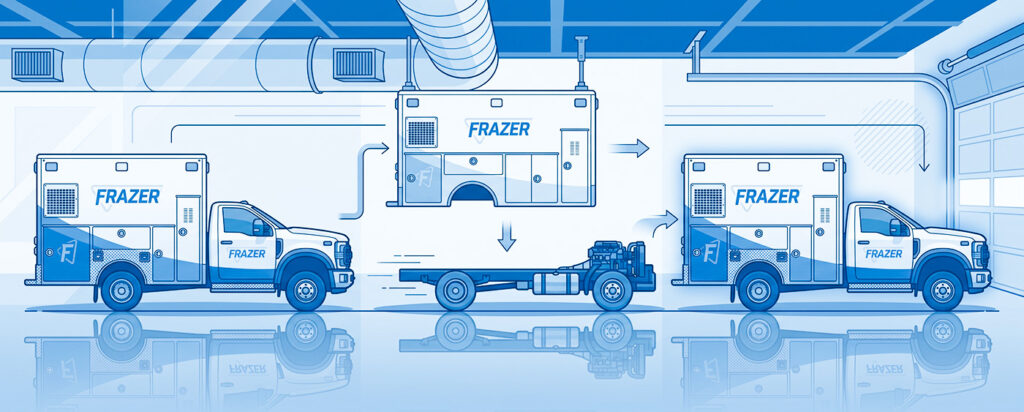
How Long Should an EMS Vehicle Last? A Lifecycle Planning Guide Ambulance life expectancy depends on design, use, and maintenance. A standard automotive chassis may require retirement after 5 to 7 years, while a properly maintained all-aluminum patient module can exceed 20 years and 1 million miles. Decoupling these two lifecycles through an engineered remounting program may help municipal fire departments and private healthcare operators improve asset utilization and support a lower overall cost of ownership. For a broader view of fleet preservation, consult The 2026 Guide to EMS Vehicle Reliability & Fleet Uptime. Understanding ambulance life expectancy helps organizations plan replacement costs and downtime. For Fire Chiefs and Fleet Managers, a front-line ambulance sidelined by an electrical fault can create a significant maintenance challenge and affect vehicle availability, community response capacity, and operational planning. This guide offers a practical framework for reviewing fleet asset life. By downloading a comprehensive Emergency Vehicle Buyer’s Guide, you can begin evaluating procurement specifications that separate short-term mechanical investments from long-term structural assets, may help limit chronic engine wear, and support a fleet plan focused on vehicle availability. The Traditional “7-Year Reset” Approach: Why Some Ambulances Retire Early For decades, many fleets replaced an ambulance near 150,000 miles or seven years because the vehicle was treated as one indivisible asset. Legacy Approach: [Chassis Wears Out] + [Module Attached] = Replace the Entire Ambulance Multi-Lifecycle Approach: [Chassis Wears Out (5-7 Yrs)] + [Engineered Aluminum Module (20+ Yrs)] = Consider a Remount The Odometer Assumption vs. Structural Longevity Traditional lifecycle tracking often assumes the module degrades at the same rate as the chassis. An automotive chassis is exposed to mechanical friction, road hazards, heat, fluid pressure, and other operating stresses. The patient module does not face the same combustion, friction, and heat as the chassis, so its structure can follow a different wear pattern. Replacing a structurally sound patient box solely because the truck engine has reached the end of its useful service life may result in the retirement of a component that could remain suitable for continued use after inspection and refurbishment. The Two-Part Asset Blueprint: Separating Chassis from Box A multi-lifecycle strategy treats the mechanical chassis as a shorter-term asset and the structural module as a longer-term asset. When departments decouple these lifecycles, long-term capital planning may change substantially. Instead of purchasing a complete ambulance during each replacement cycle, an organization may treat the patient module as a multi-lifecycle asset that can be inspected, refreshed, modernized, and installed on a new truck frame more than once. We’ll explore the factors involved in choosing between an ambulance remount vs replacement for your upcoming budget year. Have a question for the team? Ask a Question The Drivers of Ambulance Lifespan: What Can Shorten a Fleet Asset’s Service Life? To extend fleet life, departments should look beyond age. Design, duty cycle, maintenance, environmental exposure, and parts availability can all affect service life. How Chassis High-Idle Hours Accumulate “Ghost Miles” During a typical shift, an ambulance may spend hours at scenes, incident standbys, or emergency department bays. During these stationary periods, crews may need to keep the interior climate controlled to support patient comfort, maintain temperature-sensitive medications, and keep onboard medical electronics powered and charged. In a traditional setup, the truck engine may stay in high idle to power belt-driven alternators and compressors. The Ghost Mile Formula: Industry maintenance guidance often equates one hour of idling to roughly 33 miles of driving wear on the engine’s internal components, pistons, and exhaust after-treatment systems, such as Diesel Particulate Filters (DPF). Six hours of daily idling can add nearly 200 “ghost miles” per shift. These miles do not appear on the dashboard odometer, but they may accelerate powertrain wear, contribute to engine or exhaust-system issues, and affect how warranty or maintenance conditions are evaluated. Wood-Based Materials and All-Aluminum Structural Resilience Some ambulance designs use wood-based reinforcement or composites in cabinet walls, doors, and subfloors, often because of manufacturing methods or initial cost. In EMS service, material choice can affect longevity. Ambulances may operate in heavy rain, humid environments, snow-melting road salts, and other challenging conditions. The interior box is also routinely cleaned and sanitized with chemical disinfectants. Over time, moisture may enter through rivet holes, seam seals, door gaskets, damaged surfaces, or other openings. If moisture reaches wood-based components, deterioration may occur. Subfloors can develop soft spots around cot hardware, internal framing may warp, fasteners can lose holding strength, and the module may experience structural degradation. A technical analysis of the Frazer Difference engineering framework explains how reducing the use of degradable structural materials may help preserve the asset’s condition and value. Proprietary Multiplex Electrical Boards and Potential Downtime Many modern ambulances use multiplex electrical systems that route vehicle communications through programmable solid-state components. While multiplex systems can support touchscreen controls and integrated functions, they may also introduce specialized diagnostic and repair requirements. Emergency vehicles face constant vibration and wide temperature swings. Microprocessors and printed circuit boards can be sensitive to these conditions. When an electrical issue occurs in a multiplex vehicle (such as a dome light remaining on or a vacuum pump losing power) the diagnostic process may require specialized tools, software, or technical support. A standard multimeter or test light may not be enough to troubleshoot a computerized logic board. In certain cases, the vehicle may need service from a dealer or technician with the software needed to diagnose, reflash, or reprogram the system. While the truck remains out of service, reserve-unit demand and maintenance expenses can increase. Maximizing the Ambulance Module Lifecycle: Planning Around 20 Years and 1 Million Miles For longer service life, procurement specifications should prioritize durability, occupant protection, serviceability, and remount potential. Engineering Standards of 6061 T-6 Structural Aluminum A multi-lifecycle module starts with material selection. Using 6061 T-6 structural aluminum tubing can help the module framework resist environmental decay. This standard alloy in Frazer modules provides a strong strength-to-weight ratio and natural corrosion resistance, which can help the module shell maintain its
EMS Vehicle Downtime: 7 Common Reliability Failures
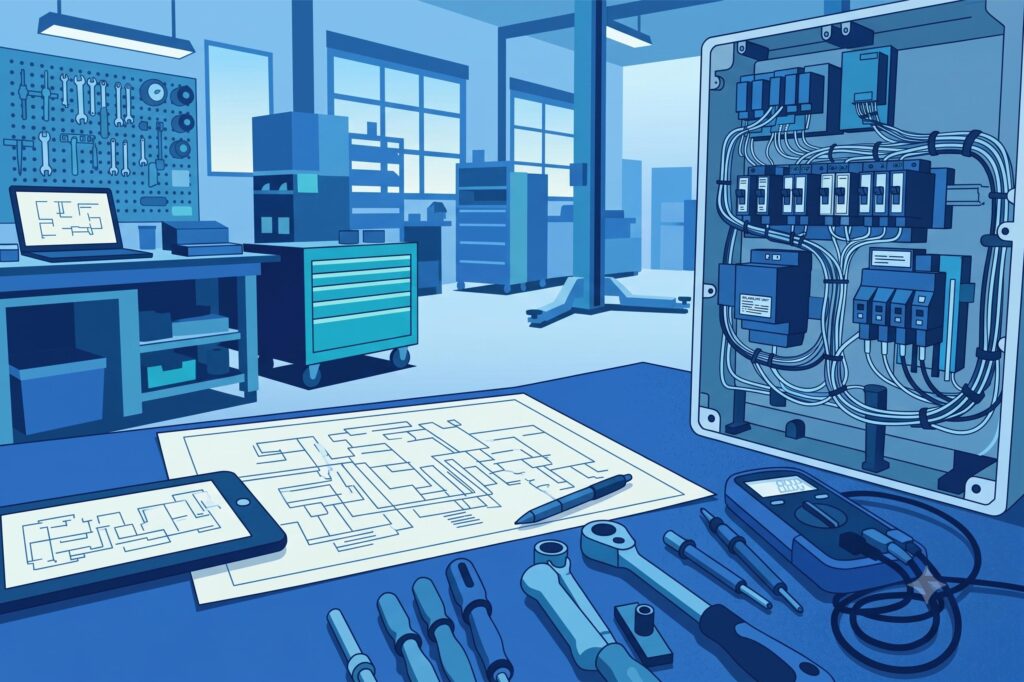
EMS Vehicle Downtime: 7 Common Reliability Failures For fleet managers, downtime is more than a maintenance problem. It can affect response readiness, department budgets, crew assignments, and long-term ownership costs. Understanding the most common causes of downtime can help departments evaluate vehicles, plan maintenance, and make better purchasing decisions. Many fleet managers ask the same practical question: “Why do some vehicles seem to spend more time in the shop than others?” When an EMS vehicle goes out of service, the impact often extends beyond the repair. A department may need to deploy a reserve unit, adjust crew assignments, or pay additional overtime. Response coverage may become harder to manage while fleet personnel work to identify and correct the problem. Knowing what contributes to downtime can help a department prepare for those challenges. It can also help fleet managers ask better questions when reviewing their current vehicles or planning a future purchase. This article covers seven common reliability failures associated with EMS vehicle downtime. We explore how vehicle design, serviceability, maintenance, and support affects how quickly a vehicle returns to service. Fleet Reliability Overview and Comparison Reliability Failure Typical Operational Impact Typical Downtime Severity What Fleet Managers Should Evaluate Electrical System Failures Emergency lighting, communications equipment, interior systems, or powered accessories may stop working. Troubleshooting can require significant technician time. High Electrical architecture, diagnostic access, component accessibility, common relays and fuses, and available technical support. HVAC System Failures The patient compartment may become uncomfortable or unsuitable for service, especially during extreme temperatures. High HVAC accessibility, replacement time, parts availability, repair requirements, and the effect of a failure on patient-compartment operations. Charging System and Battery Problems Low-voltage conditions can affect several systems at once and create intermittent problems that are difficult to diagnose. Medium to High Power management, charging-system design, redundancy, maintenance requirements, and electrical load management. Chassis and Drivetrain Failures Engine, transmission, suspension, or brake problems can remove a frontline vehicle from service with little notice. High Expected service life, chassis support, replacement planning, remount opportunities, and preventive maintenance. Parts Availability Delays A repair may remain incomplete while the department waits for a replacement component, even after the cause has been identified. Medium to High Dependence on proprietary parts, vendor response, parts inventory, supply-chain support, and service network strength. Preventive Maintenance Gaps Small maintenance concerns may develop into larger failures that require longer or more expensive repairs. Medium Maintenance schedules, inspection procedures, technician training, and the quality of service documentation. Complex Vehicle Designs Technicians may spend more time finding the problem, increasing labor hours and total downtime. High Diagnostic complexity, component accessibility, training requirements, serviceability, and the simplicity of vehicle architecture. Note: These reliability categories and relative impacts reflect common EMS fleet-maintenance experiences and industry observations. Actual causes and downtime will vary based on fleet age, vehicle configuration, operating conditions, and maintenance practices. Operational Consequences and Seven Common Failures Downtime is often treated as a maintenance issue, but its effects reach across the department. An unavailable vehicle may force the use of a reserve unit, disrupt scheduled maintenance, change crew assignments, increase overtime, or accelerate replacement planning. For EMS leaders, uptime is an important measure of fleet performance. A vehicle designed for straightforward diagnosis, repair, and support may help reduce disruption over its service life. That is why long-term factors such as maintenance requirements, serviceability, parts access, and post-sale support deserve consideration alongside features and purchase price. A Closer Look at Seven Reliability Failures 1. Electrical System Failures Modern EMS vehicles depend on electrical power for emergency lighting, communications equipment, medical equipment, climate systems, interior lighting, and charging systems. When an electrical problem occurs, finding the source can take longer than completing the repair itself. Field impact: A small electrical problem can lead to hours of troubleshooting while technicians trace wiring, test components, and attempt to reproduce the failure. During that time, the vehicle may remain unavailable. Questions to ask: How is the electrical system organized? How easy is it to reach and test key components? Does the system use commonly available relays, fuses, and replacement parts? 2. HVAC System Failures Patient-compartment heating and cooling are important to daily EMS operations. When an HVAC system fails, crews may struggle to maintain a suitable environment for patients and personnel, especially in extreme temperatures. Field impact: An HVAC failure may require the department to remove the vehicle from service until repairs are complete. The total downtime can depend on component access, technician familiarity, and replacement-part availability. Questions to ask: How easy is the HVAC system to access? How long does it typically take to replace a major component? What technical and parts support is available when a failure occurs? Vehicle designs place different levels of emphasis on maintenance access. When evaluating HVAC systems, fleet managers should consider how quickly common components can be inspected, serviced, or replaced. 3. Charging System and Battery Problems EMS vehicles place a heavy demand on their electrical systems. Radios, emergency lighting, monitors, computers, chargers, and other equipment may operate at the same time for long periods. When the charging system or batteries cannot support that demand, low-voltage conditions may affect several systems at once. This can create intermittent symptoms that are difficult to reproduce and diagnose. Questions to ask: How is power managed across the vehicle? What redundancy is available? How much demand does the patient compartment place on the chassis electrical system? 4. Chassis and Drivetrain Failures Not all downtime starts in the patient compartment. Engines, transmissions, suspension components, brakes, and drivetrain systems wear over time. The risk of unexpected repairs may increase as mileage and operating hours accumulate. Field impact: A chassis or drivetrain failure can remove a frontline vehicle from service with little warning. Repair time may depend on technician availability, chassis parts, warranty requirements, and the local support network. Questions to ask: What service life should the department expect from the chassis? How are replacement cycles managed? Can the patient-care module continue serving after the original chassis reaches the end of its useful
Looking to Trade In Your Vehicle?
Ready to Get Started? We take trade-We take trade-ins – including both Frazer units and other vehicles. If you’re planning your next purchase, start by completing the Trade-In Evaluation form below. Once submitted, you’ll receive an email prompting you to provide detailed information about your vehicle – including VIN, mileage, chassis specs, and overall condition. From there, our team will review the information and follow up with next steps. Simple. Straightforward. Built to help you plan your upgrade with clarity.
American Heart Association now Includes Mobile Stroke Units in the Standard of Care
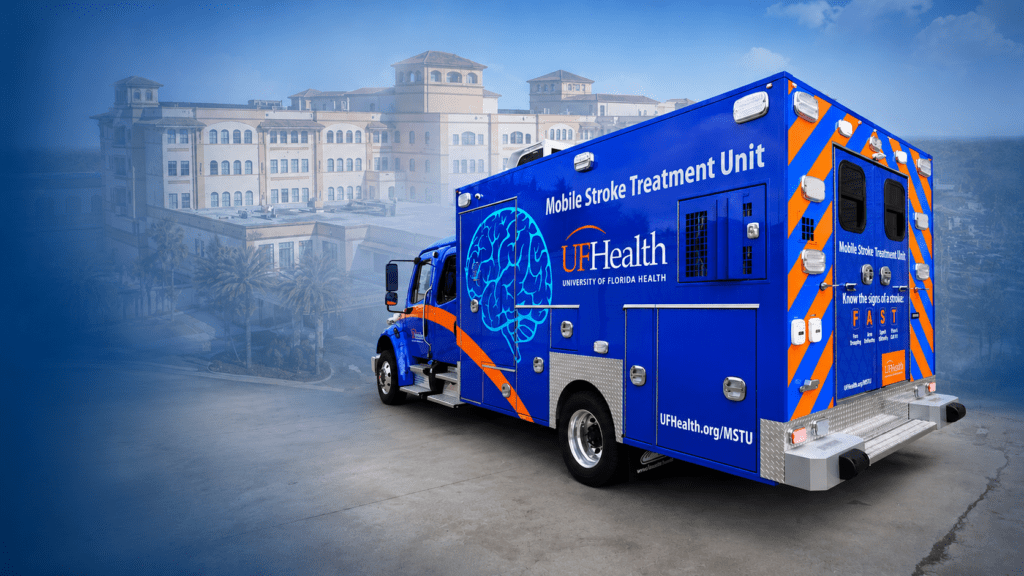
Mobile Stroke Units are now recommended in national guidelines. Learn how purpose-built vehicles support advanced stroke care in the field.
Frazer Celebrates 70 Years with New Global Headquarters and Brand Refresh

Sugar Land, Texas – Frazer, Ltd. marked its 70th anniversary with a three-part celebration at its new Global Headquarters, highlighting the opening of a second production facility and the unveiling of a refreshed brand identity. The event brought together customers, partners, vendors, and community leaders to recognize Frazer’s growth and continued focus on the future of mobile healthcare. Founded in 1956 and serving the emergency medical market since 1985, Frazer has grown into a global provider of mobile healthcare solutions for EMS agencies, fire departments, hospitals, and specialty organizations. The new Sugar Land facility represents a strategic investment in production capacity, technology, and long-term scalability. The milestone reflects decades of customer partnership. As VP of Sales and Marketing, Adam Fischer said the facility is “a way of giving that investment back—by building better solutions and supporting customers at a higher level.” A Facility Designed for Excellence The celebration included a ribbon-cutting ceremony and guided tours of the new facility, showcasing Frazer’s structured production process, integrated technology, and safety-focused design. For Chief Strategic Innovation Officer Darren Ward, the new space transforms the customer experience: “It gives customers a place to see their vehicles up close, work with our team, and receive hands-on training—something we’ve never offered at this level.” A Brand for the Future Frazer also introduced a refreshed brand identity, including an updated logo and modernized visual presence. The update reflects the company’s evolution while staying grounded in its core values. CEO Laura Griffin described the change as a natural step forward: “We wanted a brand that reflects where we started, where we are today, and where we’re going.” Strengthening Partnerships The event reinforced Frazer’s long-term commitment to its customers and their mission. That commitment extends beyond the product itself. As Business Development Director Nathan Jung explained, “it’s about helping our customers perform at their best and deliver the high-quality level of care they are known for.” Looking Ahead As Frazer enters its eighth decade, the company remains focused on expanding operations, strengthening partnerships, and investing in service and infrastructure. With a new headquarters, increased production capacity, and a refreshed brand, Frazer continues to define the future of mobile healthcare through a disciplined, customer-first approach.
Frazer and Harbinger Partner on Next-Generation Mobile Healthcare Products
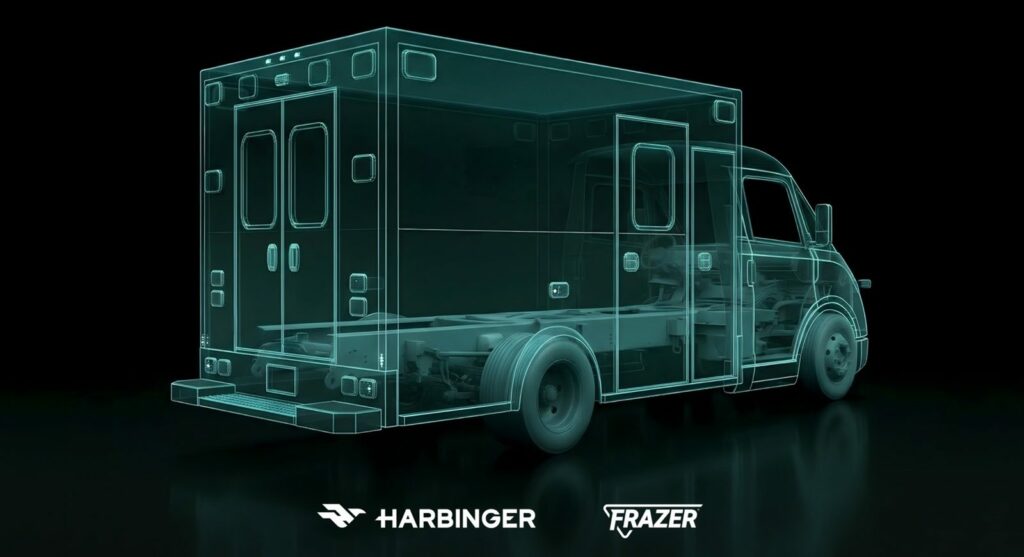
Strategic partnership leverages Harbinger’s plug-in hybrid chassis to electrify emergencymedical response vehicles and next-generation mobile healthcare delivery units Frazer has made a strategic investment in Harbinger, reinforcing long-term alignment around the future of mobile healthcare GARDEN GROVE, Calif. / HOUSTON, Texas (March 25, 2026) – Harbinger, an American automotive and industrial manufacturer, and Frazer, a leader in mobile healthcare solutions, today announced a strategic partnership to advance the future of mobile healthcare. Frazer will leverage Harbinger’s plug-in hybrid vehicle chassis and battery technology to electrify emergency medical response vehicles and create next-generation mobile healthcare products. As part of Frazer’s long-term alignment and shared commitment to the partnership, the company has also made a strategic financial investment in Harbinger. In return, Harbinger is investing time, engineering expertise, and development resources to support Frazer’s expansion into next-generation electrified mobile healthcare platforms. “At Frazer, we believe the future of healthcare should deliver exceptional medical care directly to the patient, rather than simply transport the patient to care,” said Laura Griffin, CEO, Frazer. “This partnership with Harbinger demonstrates Frazer’s move beyond the traditional ambulance model and into a mobile healthcare solutions provider that supports new care delivery models. Hybrid-electric vehicles offer a practical first step toward electrification in emergency and medical environments, while preserving full operational readiness and clinical reliability.” The Frazer and Harbinger collaboration will include multiple next-generation mobile healthcare products: Both Harbinger and Frazer are committed to U.S. manufacturing. Harbinger designs and manufactures its electric and hybrid chassis in-house at its California headquarters, including all major vehicle systems such as the powertrain, battery system, steering, brakes, and more. This vertically integrated approach keeps costs low and provides a higher-performing, safer and more durable solution than electric vehicles built upon existing diesel and gasoline platforms. Frazer proudly produces its products in Houston, Texas. “Through this partnership, Harbinger is entering the mobile healthcare and emergency medical response market for the first time,” said John Harris, Co-Founder and CEO of Harbinger. “Our proprietary platform was designed from the ground up as a modular foundation to support a wide range of commercial and specialty applications. In mobile healthcare, redundancy, uptime, and operational flexibility are non-negotiable, and our platform is built to deliver the reliability this market requires.” Fully electric vehicles have struggled to meet the complexities of emergency medical operations due in part to charging constraints, unpredictable duty cycles, and power redundancy. Hybrid systems offer a practical and immediately deployable solution. Harbinger’s hybrid offering leverages its proven electric chassis, and pairs it with a gas-powered range extender that recharges the battery when needed. This architecture enables significantly reduced emissions during extended idling, stable and redundant power delivery for onboard medical equipment, and simplified energy management, without disrupting existing workflows and patient care. Demand for mobile healthcare is accelerating as health systems face capacity constraints, workforce shortages, and rising costs. For this reason, mobile healthcare is a critical complement to hospitals and medical care centers. Today, there are only a few thousand mobile clinics nationwide. That number is expected to triple or more by 2030 as health systems are seeking lower-cost, more scalable healthcare delivery models. This partnership addresses the clear need for purpose-built mobile healthcare platforms that can deliver reliable, lower-emissions operation without compromising mission-critical readiness. Frazer will begin engaging customers, partners, and industry stakeholders on the collaboration at the Fire Department Instructors Conference (FDIC) from April 20-25, 2026. Participants will have the opportunity to check out the Harbinger hybrid-electric chassis at the Frazer booth 5074. For more information or to book an appointment, please visit www.frazerbilt.com/ or call +1 (888) 372-9371. About Harbinger Harbinger is an American industrial manufacturer of advanced electrification technologies, including all-electric and hybrid medium-duty vehicle platforms, battery and drivetrain systems, and auxiliary power solutions. Harbinger has an industry-leading team of battery, electric vehicle (EV), and drivetrain experts. The company designs and builds proprietary, vertically integrated systems in-house for commercial and specialty applications, such as medium-duty commercial vehicles, work trucks, recreational vehicles (RVs), mobile healthcare units, and power and energy storage. Harbinger’s EV chassis delivers electric and hybrid vehicles priced competitively with traditional diesel counterparts, removing a key barrier to adoption. The company has acquired Phantom AI to integrate advanced driver-assistance systems (ADAS) into its commercial vehicles and extend this technology to third-party passenger vehicle applications. Harbinger is on a mission to transform industries long underserved by innovation.Harbinger: Familiar Form. Revolutionary Foundation. To learn more about Harbinger, please visit www.harbingermotors.com. You can find the company newsroom HERE. About Frazer Frazer designs and builds mobile healthcare solutions that equip care teams to deliver clinical-grade capability wherever the mission demands. From its headquarters in Sugar Land, Texas, Frazer partners with EMS agencies, fire departments, hospitals, and specialty care programs to develop purpose-built platforms focused on power resilience, operational readiness, and long- term support. In addition to emergency response vehicles, Frazer develops advanced mobile healthcare platforms, including Mobile Stroke Units and specialty care units, supporting the continued evolution of care delivery in the field. Frazer continues to invest in platform innovation and power architecture that helps customers reduce operational complexity, protect uptime, and expand care access beyond traditional facilities. To learn more about Frazer, please visit www.frazerbilt.com/.
FOR RENT – 2018 Ford F-350 Fire/EMS Vehicle
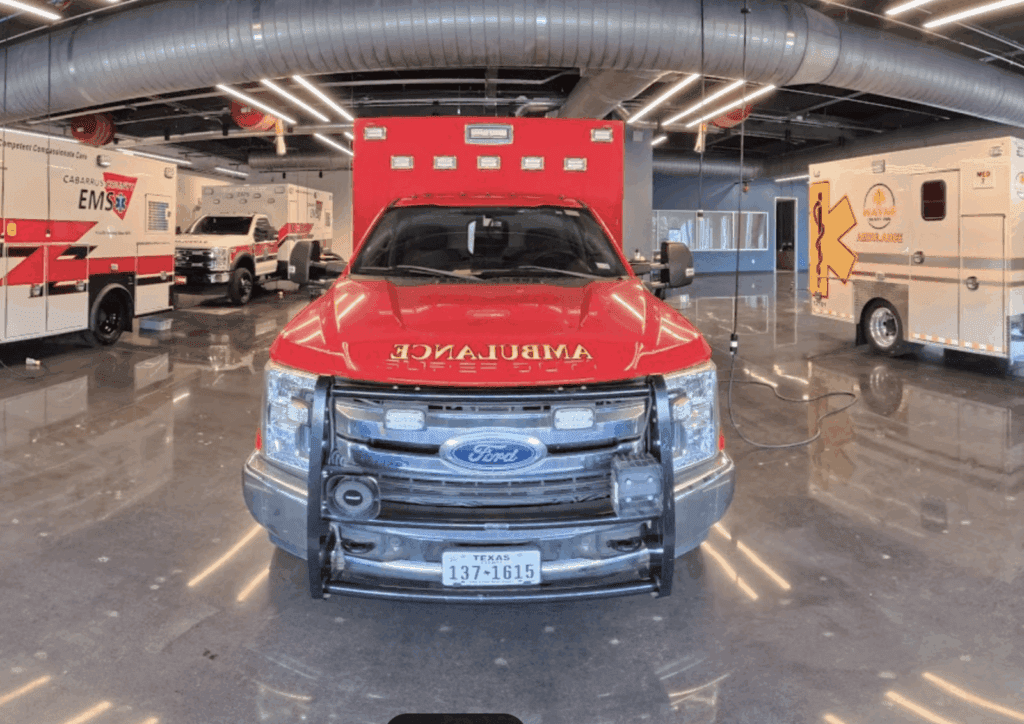
This pre-owned Frazer mobile healthcare vehicle features a 12′ module and is in excellent overall condition with low mileage. It would serve as a strong temporary solution for departments needing a reliable rental unit, making it a great addition to any EMS or fire department fleet during periods of increased demand, maintenance downtime, or fleet transition. The unit has been well maintained inside and out, offering the reliability and performance needed to support daily response operations. It is a dependable, service-ready vehicle, ready to go to work and support your department throughout the rental period. More Details